

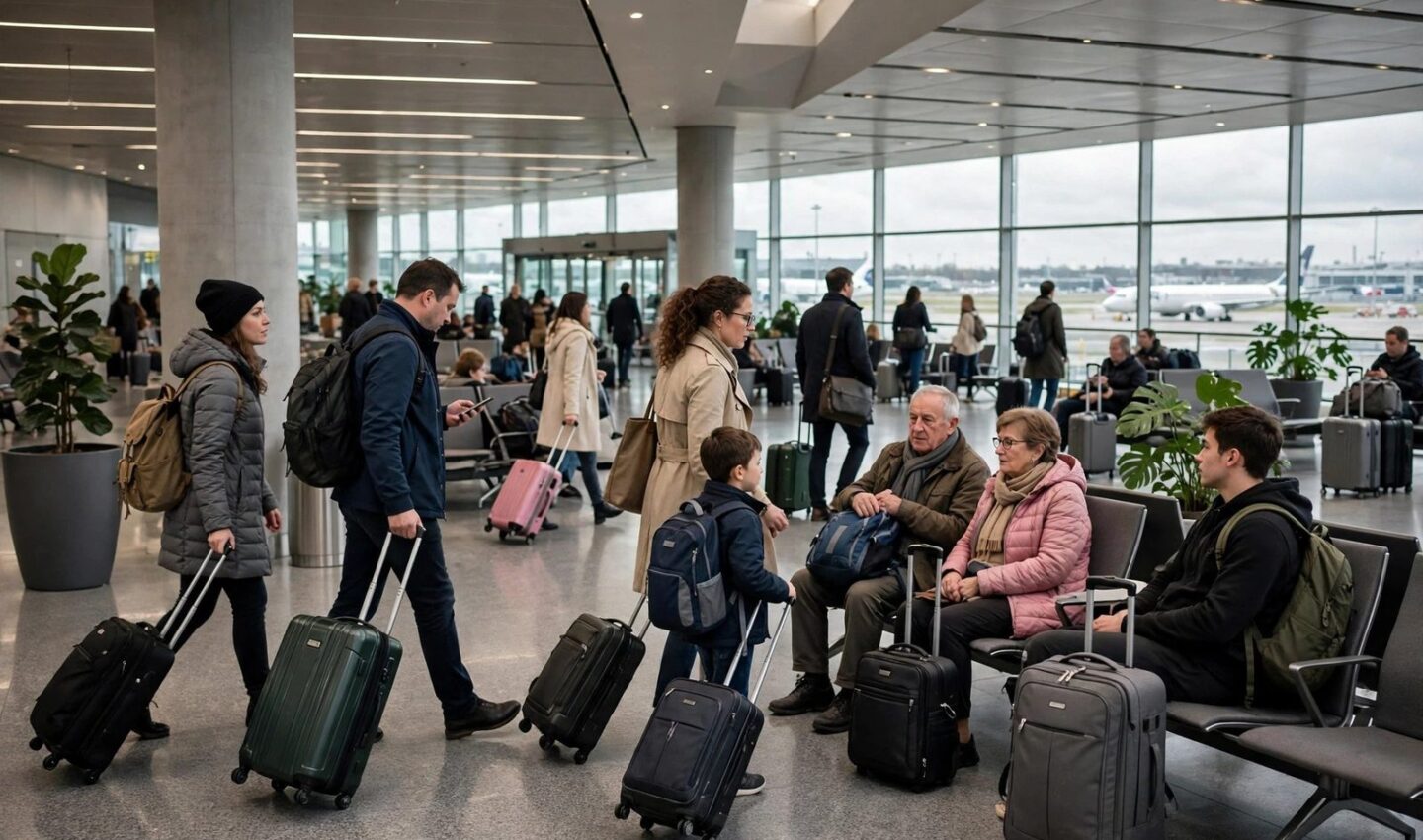
If you are a Pakistani flying to another country via Dubai or Abu Dhabi, you need to know about a major change: the 48-hour and 96-hour transit visas have been suspended for Pakistani nationals. The change has caught many travellers by surprise — including people flying with Emirates and Etihad who assumed transit through the UAE’s hubs would be simple, as it had been for years. Here is what is reported to have happened, what it means for your journey, and how to plan around it.
What Happened
In early 2026, reports emerged that the 48-hour and 96-hour transit visas were suspended for Pakistani passport holders. The reason given relates to misuse: when 30-day visit visas became harder to obtain, many applicants switched to transit visas — some travelling on fake onward tickets — and then overstayed, converting a transit document into an unauthorised entry. Transit visas, which once had an approval rate of almost one hundred percent, were then suspended for Pakistani nationals generally, genuine travellers included. The picture has a contested edge: Pakistani officials have at various times denied a complete suspension, saying processing continues through official channels. The reality reported on the ground, however, is that transit visas for Pakistanis are extremely difficult to obtain right now — and for planning purposes, the traveller should treat “extremely difficult” as the operative fact, whatever the formal position.
What It Means for Your Journey
Do not book a flight with a long Dubai layover assuming you can leave the airport on a transit visa. If your connection requires exiting the airport — to a hotel, to the city, to a different terminal arrangement that crosses immigration — you may be stuck, and “stuck” at a hub airport means an airside wait measured in many hours or a denied boarding at your origin. The crucial distinction is between transiting and entering. If you are only changing planes inside the airport — same ticket, bags checked through, no exit through immigration — you generally do not need a transit visa at all; but confirm this with your airline before booking, because rules vary by route, terminal and ticket type, and separate-ticket connections can turn an airside transfer into an entry requirement. Travellers holding ordinary Pakistani passports face the difficulties described even when flying with Emirates or Etihad; diplomatic and official passport holders face fewer hurdles. If your journey requires a stopover where you leave the airport, consider a route that avoids a UAE stopover, or apply for a proper visit visa well in advance.
📸 Follow @dxbtalk1 on Instagram for daily Dubai in photos →
Practical Rules for Transit Travellers
If you are already holding a ticket with a long UAE layover, do not panic and do not gamble: phone the airline, explain the position, and ask about rerouting or a same-ticket airside connection. Airlines would rather rebook you at a desk than deal with a stranded passenger at the gate, and the earlier the conversation happens, the more options survive. What you must not do is travel on the hope that the rule will bend at the desk — visa rules at check-in are enforced by systems, not sympathies.
Four habits protect you. Always confirm with your airline, in writing, whether your specific connection needs a visa — the airline operates the flight and carries the consequences of carrying you wrongly, so its written word is the one that matters. Keep your onward ticket, final-destination visa and travel documents ready and genuine — fake onward tickets are exactly what caused this crackdown, and presenting one now invites the severest scrutiny. Allow extra connection time, because tighter scrutiny means longer processing at every step. And if you are denied boarding over a visa issue, contact your airline immediately — rebooking options depend on your ticket type and decay by the hour. The bigger picture is worth holding: nearly two million Pakistanis live in the UAE, and millions more transit its airports every year. The suspension is a security response to misuse, not a permanent closure — but there is no announced date for it to lift. Transit rules change without notice, so always confirm your route’s requirements with your airline and on official UAE portals — ICP, GDRFA — before booking; this article is general information, not legal advice. Until the position changes, plan your transit as if you cannot leave Dubai airport, and you will never be caught out.
Related Guides
- When to Renew Your Passport as a UAE Expat: Timelines That Protect Your Visa and Travel
- Dubai Visa Cost for Pakistanis in 2026: Full Breakdown
- How Long Does a Dubai Visa Take for Pakistanis? Processing Times Explained
- Fake or Unverifiable Hotel Bookings: A Common Trigger for UAE Visit Visa Refusals for Pakistanis