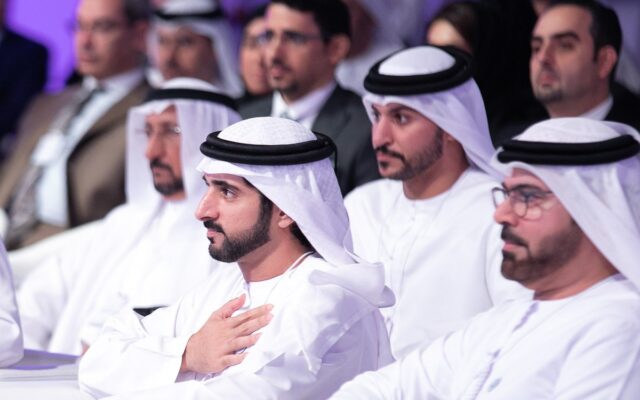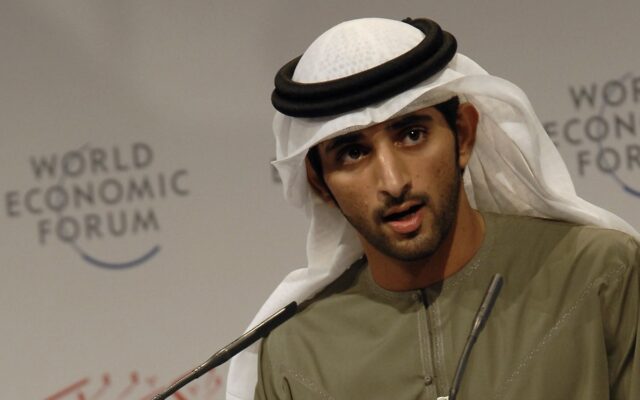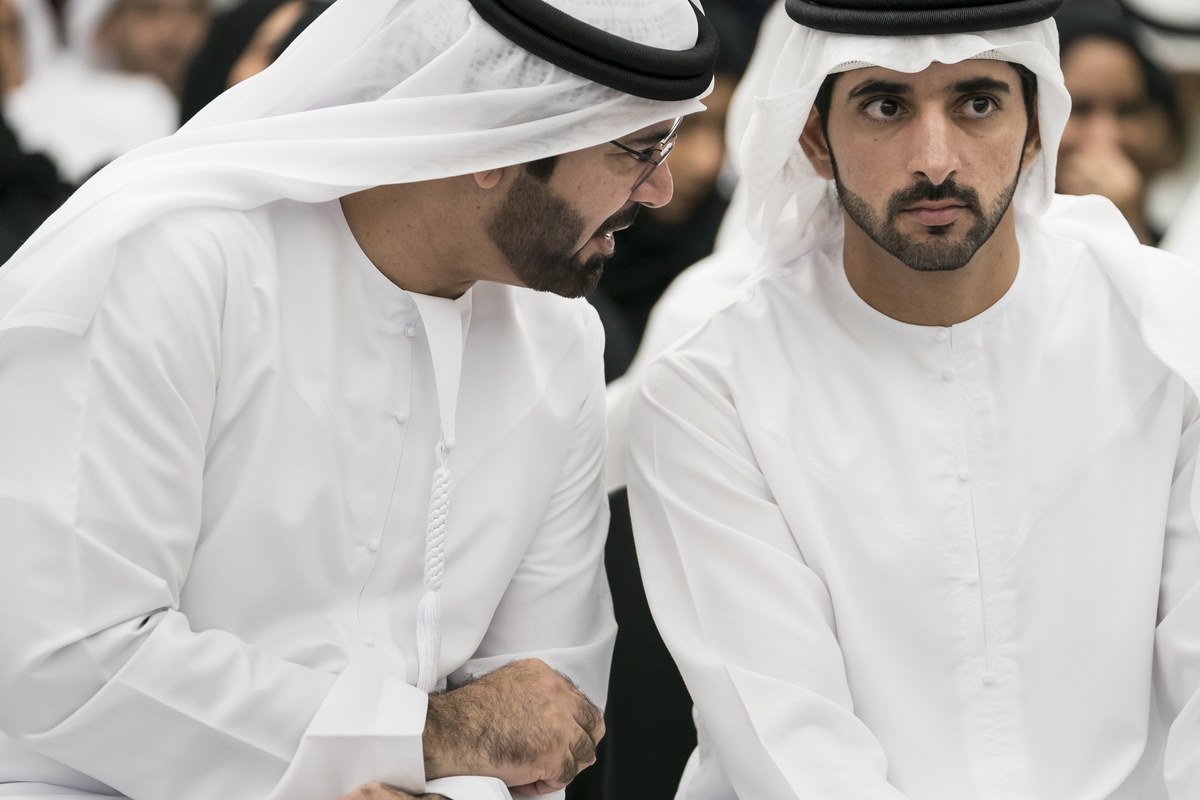
Dynasties are usually stories of one man. Dubai’s ruling house works differently: it is a family firm of leadership, with defined roles across generations. At its centre today stands a father — His Highness Sheikh Mohammed Bin Rashid Al Maktoum, Ruler of Dubai — and rising with his son, His Highness Sheikh Hamdan Bin Mohammed Bin Rashid Al Maktoum, a generation of Al Maktoums taking the family’s third century of rule into the digital age.
The Al Maktoum family has ruled Dubai since 1833. What keeps a house relevant across two centuries is not bloodline but renewal — each generation educated for its own era’s work. This guide looks at the generation now rising with the Crown Prince, and how the family’s team model actually functions.
A Family With Portfolios
Look at the structure. The Ruler sets the vision. The Crown Prince chairs The Executive Council and, since July 2024, serves the federation as Deputy Prime Minister and Minister of Defence. His brother, Sheikh Maktoum bin Mohammed, stands as First Deputy Ruler of Dubai and a minister of the UAE — senior responsibility in both the emirate and the union. Around them, the wider family’s members carry roles across government, business, culture and sport.
The effect is redundancy of the best kind: Dubai’s leadership is never one diary away from interruption. It is also apprenticeship by design — the same method Sheikh Mohammed applied to Sheikh Hamdan, given the government machine to run at twenty-three, is now the family’s standard operating procedure: real work, early, under the eye of the generation above.
The Generation’s Signature
Every Al Maktoum generation has had a material: the founders had pearls and trade; Sheikh Rashid’s had ports and concrete; Sheikh Mohammed’s had towers, airlines and the internet city. The rising generation’s material is the future itself — artificial intelligence, the digital economy, space, the ocean’s restoration. Sheikh Hamdan’s portfolio is the clearest expression: the Future Foundation, the Metaverse Strategy, the astronaut generation announced with his father in 2017.
Yet the signature is double-sided. The same generation that programmes the future also rides endurance horses, flies falcons and publishes Nabati poetry. In the Al Maktoum model, modernity and heritage are not a negotiation; they are a single inheritance carried in both hands.
📸 Follow @dxbtalkofficial on Instagram for daily Dubai in photos →
Why the Team Model Matters
For a city selling century-long confidence to the world, the family’s structure is strategic infrastructure. Investors and residents can see the succession, the deputies, the portfolios — leadership as an institution, not an event. As Sheikh Hamdan’s generation rises into federal and emirate responsibility, that visibility deepens. The house that began on the Creek in 1833 is, in his era, doing what it has always done: preparing the next watch before the current one ends.
Frequently Asked Questions
How long has the Al Maktoum family ruled Dubai?
Since 1833 — nearly two centuries of continuous leadership of the emirate.
Who is Sheikh Maktoum bin Mohammed?
Sheikh Hamdan’s brother, who serves as First Deputy Ruler of Dubai and as a minister of the UAE — part of the family’s shared structure of responsibility.
How does the family share leadership?
Through defined portfolios across generations: the Ruler sets the vision, the Crown Prince runs the government machine and holds federal office, and deputies and family members carry senior roles across the emirate and the union.
What defines the rising generation?
A future-facing portfolio — digital economy, future technologies, space — carried together with the family’s heritage disciplines of horsemanship, falconry and poetry.
Why does this structure matter for Dubai?
It makes leadership an institution with visible succession — a foundation of the long-term confidence on which the city’s model rests.