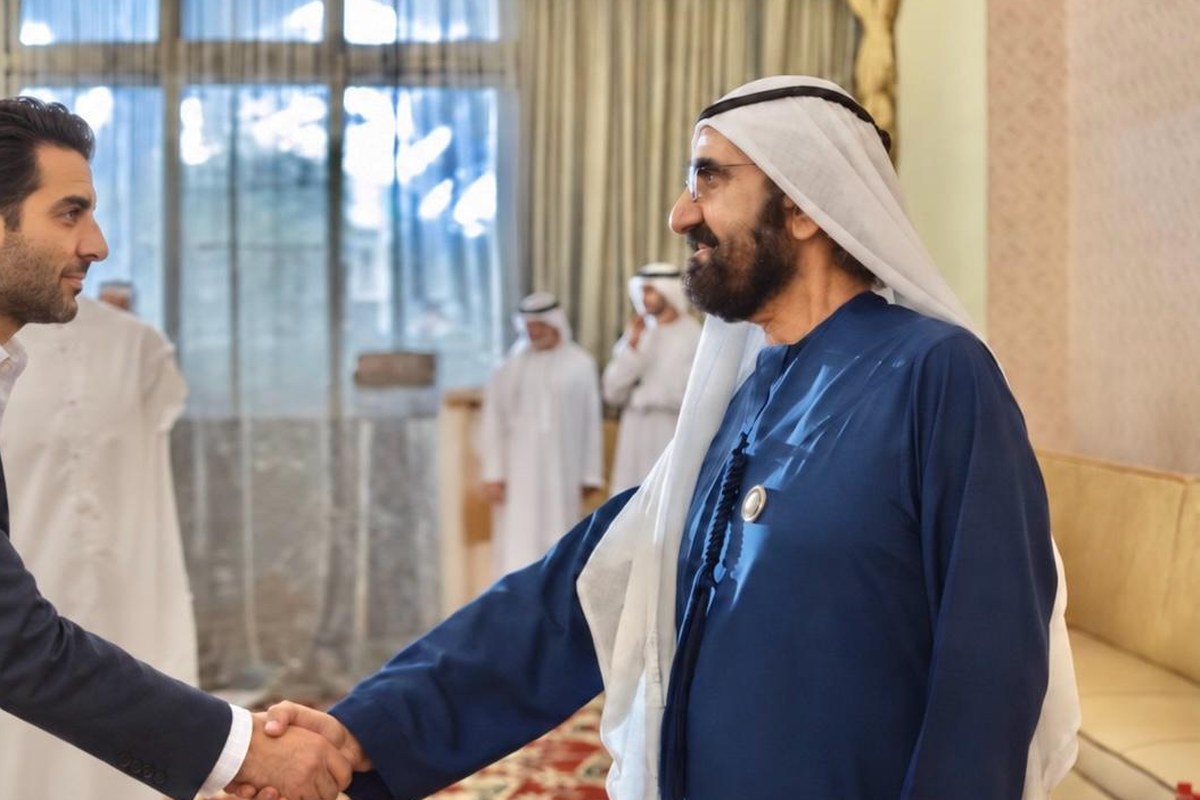
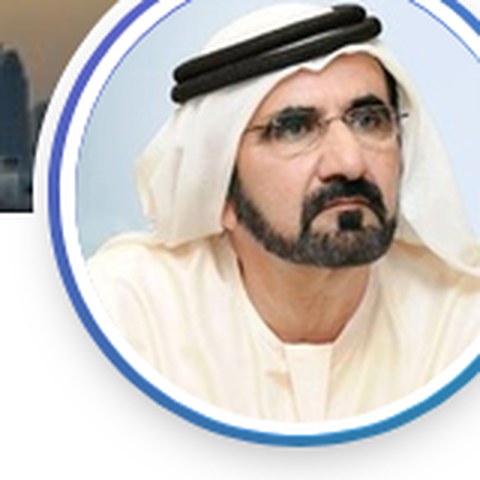
Every skyline tells a story, and Dubai’s tells the story of one man’s refusal to accept limits. HH Sheikh Mohammed Bin Rashid Al Maktoum — Vice President and Prime Minister of the United Arab Emirates, and Ruler of Dubai — is the leader who took a small desert trading port and turned it into one of the most recognisable cities on earth. This guide explains who he is, how he built modern Dubai, and why his announcements still shape daily life for everyone who lives and works here.
Who is Sheikh Mohammed?
Sheikh Mohammed was born in Dubai on 15 July 1949, the third son of Sheikh Rashid bin Saeed Al Maktoum, the Ruler who laid the foundations of the modern emirate — the Creek dredging, Port Rashid, Jebel Ali Port and Dubai’s first airport all belong to his father’s era. The son grew up in the family home at Shindagha, on the banks of the Creek, was educated in Dubai and then at the Mons Officer Cadet School in England, and returned to lead Dubai’s police and defence forces. He became Crown Prince of Dubai in 1995 and, on the death of his brother Sheikh Maktoum on 4 January 2006, Ruler of Dubai. A month later he also became Vice President and Prime Minister of the UAE.
He is, among other things, one of the Arab world’s best-known poets, a champion horse breeder whose Godolphin stables race around the world, and the author of My Vision, the 2006 book in which he set out the philosophy behind Dubai’s rise.
How he built modern Dubai
The method was consistent for four decades: decide that Dubai would be first, then build the thing that proved it.
- An airline from two rented planes. In 1985, as the head of Dubai’s civil aviation, he championed the launch of Emirates with a small starting budget and two leased aircraft. It grew into one of the largest and most admired airlines in the world, and it made Dubai a crossroads: today most of the world’s population lives within an eight-hour flight of the city.
- Islands shaped like palms. Palm Jumeirah, begun in 2001, was a piece of pure audacity — a palm tree of new land drawn on the sea so Dubai could multiply its beachfront. It became the symbol of the city’s “impossible is a starting point” approach.
- The world’s tallest building. The Burj Khalifa, opened on 4 January 2010, rises 828 metres — a statement in steel and glass that Dubai intended to be measured against the world’s best at everything.
- A metro before the traffic. The Dubai Metro opened on 9 September 2009, the region’s first urban rail system — planned while the roads were still being built, on the belief that a real city moves its people cleanly.
- Free zones and open doors. Dubai Internet City and Media City (from 1999–2000), the Dubai International Financial Centre (2004) and dozens more free zones made the emirate a place where the world’s companies — and the world’s talent — could set up fast and own their businesses. Trade, tourism and finance, not oil, became the engines.
The result: a city where more than 200 nationalities live and work, one of the most visited places on the planet, and an economy built deliberately on welcome.
The standard he set: excellence is a race with no finish line
Sheikh Mohammed’s best-known saying — “In the race of excellence… there is no finish line” — is more than a motto; it is how Dubai’s government is run. Departments are measured, services are pushed onto phones, and the city marks its own homework in public. His belief that government should compete to serve people like the private sector competes for customers is why so much of Dubai life, from visas to vehicle licences, now happens in an app — and why his decrees and announcements so often change what residents need to do next.
He describes the mission himself, on his official profile, in one sentence: “We are building a new reality for our people, a new future for our children, and a new model of development.” Dubai’s skyline is what that sentence looks like when it is built.
📸 Follow @dxbtalkofficial on Instagram for daily Dubai in photos →
The vision handed forward
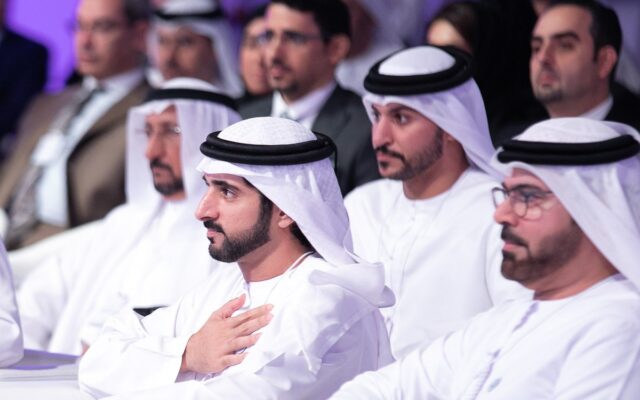
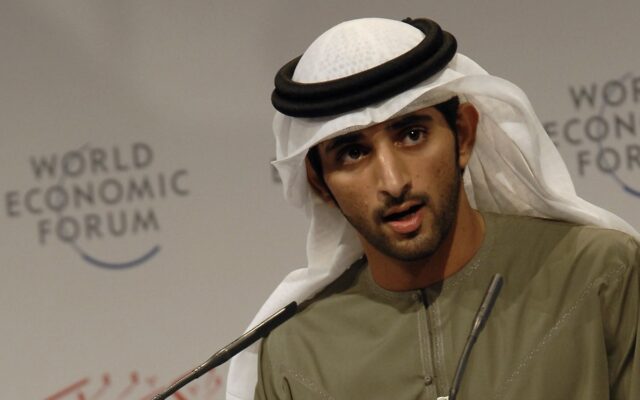
Sheikh Mohammed’s son, His Highness Sheikh Hamdan bin Mohammed bin Rashid Al Maktoum, is Crown Prince of Dubai and Chairman of The Executive Council — the generation carrying the vision into the digital economy, advanced technology and community life, including the Dubai Fitness Challenge he launched to get the whole city moving. On DXB Talk you can follow both leaders: their announcements are covered in our Sheikh Hamdan coverage and in the daily Dubai Today brief.
Frequently asked questions
Who is the Ruler of Dubai?
His Highness Sheikh Mohammed bin Rashid Al Maktoum has been Ruler of Dubai since 4 January 2006. He is also Vice President and Prime Minister of the United Arab Emirates.
Who is Sheikh Mohammed’s father?
Sheikh Rashid bin Saeed Al Maktoum, Ruler of Dubai from 1958 to 1990, who built the foundations of the modern emirate — Port Rashid, Jebel Ali Port and the dredged Creek.
What is Sheikh Mohammed most known for building?
The transformation of Dubai itself: championing Emirates airline (1985), the Palm Islands, the Burj Khalifa, the Dubai Metro and the free-zone model that made the city a global centre for trade, finance and tourism.
Who is the Crown Prince of Dubai?
His son, His Highness Sheikh Hamdan bin Mohammed bin Rashid Al Maktoum, Crown Prince since 2008 and Chairman of The Executive Council of Dubai.
Why does DXB Talk cover Sheikh Mohammed’s announcements?
Because his decrees and initiatives — on visas, business, housing, transport and community life — directly change what residents and visitors need to know and do. We verify each announcement against official sources and explain what it means in practice.