Crises do not create leadership systems; they expose them. When the COVID-19 pandemic shut down the world’s cities, Dubai’s government faced the same sudden test as every other — services to move online overnight, a population to protect, an economy of travellers and traders to hold together. The system that met that test had been under construction for fourteen years, chaired by His Highness Sheikh Hamdan Bin Mohammed Bin Rashid Al Maktoum.
This is not a story of any single decision. It is the story of why Dubai’s machine bent without breaking: because its chairman had spent the years since 2006 building a government of measured targets, digital services and rehearsed coordination — and because calm, in his leadership vocabulary, is a strategy in itself.
The System Was Already Built
Consider what the pandemic demanded of governments: remote everything, instantly. Dubai entered that moment with a head start few cities on earth could match. Its digital-government programme — the push that made Dubai Now the front door of public services and would complete the world’s first paperless government in 2021 — was already deep into delivery under Sheikh Hamdan’s chairmanship. When offices closed, the services did not; they were already living on residents’ phones.
That is the unglamorous truth of crisis leadership: the outcome is usually decided before the crisis arrives, in years of preparation nobody applauds. The Executive Council’s rhythm — targets, follow-up, coordination across departments — became the city’s crisis rhythm without needing reinvention.
Calm as a Public Signal
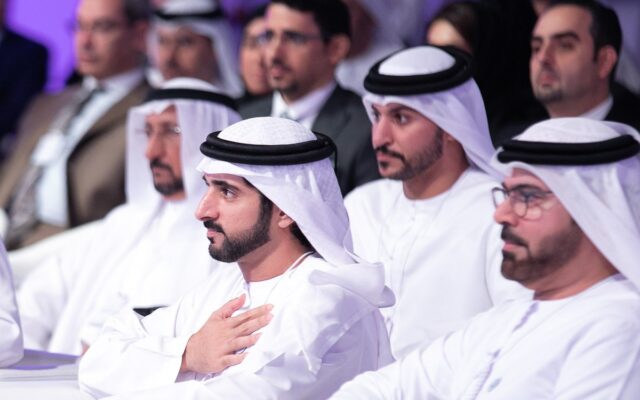
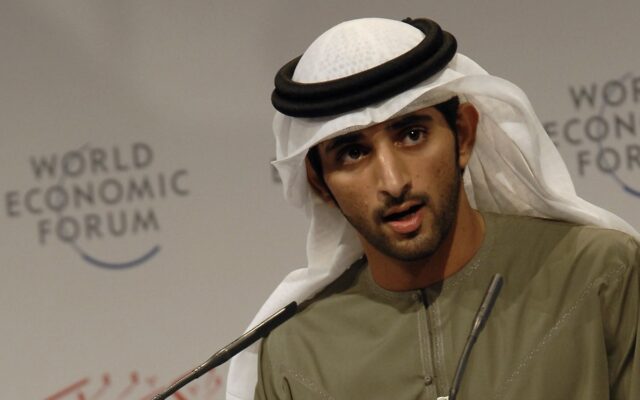
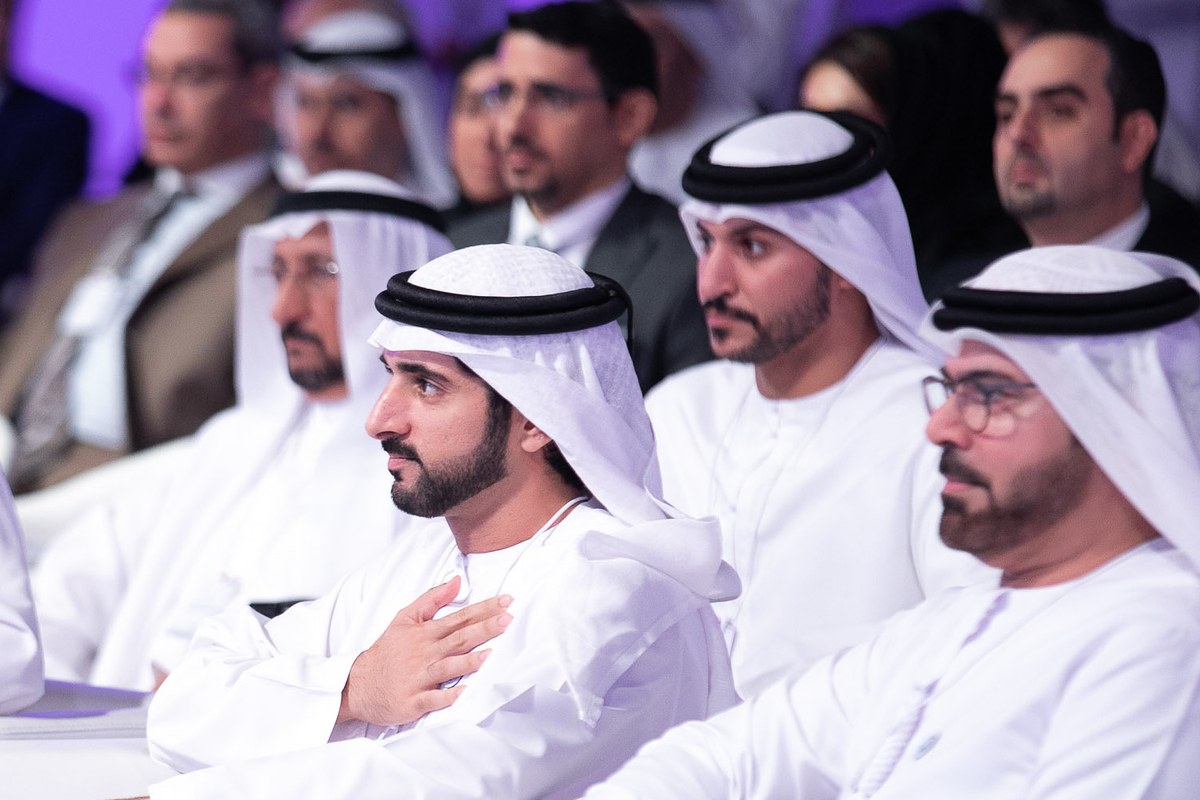
The Crown Prince’s personal style suited the hour. His public presence — steady, visible, communicating directly with millions through his own channels — projected the quality frightened populations most need from a leader: unhurried confidence. The sportsman who understands pacing, the officer trained for pressure, the chairman who trusts his preparation: each of his formations counselled the same public message — Dubai has a system, the system is working, keep steady.
Meanwhile the machinery he chairs kept the city’s identity intact through the storm: a trading, hosting, welcoming city protecting its people while preparing, characteristically, to reopen to the world — which it did, in time to host the planet at Expo 2020 from October 2021.
📸 Follow @dxbtalkofficial on Instagram for daily Dubai in photos →
The Lesson of the Years
Every leader’s biography has a chapter written by events rather than plans. For Sheikh Hamdan, the COVID years certified what the appointment diaries could not: that the chairman appointed at twenty-three had grown into the kind of leader a crisis asks for — prepared, systematic and calm. When the floods of April 2024 later tested the same system in a different key, Dubai already knew the reassuring pattern by heart.
Frequently Asked Questions
Why was Dubai’s government ready for remote services?
Because its digital programme — Dubai Now and the road to the paperless government completed in 2021 — was already well advanced under Sheikh Hamdan’s chairmanship when the pandemic struck.
What was Sheikh Hamdan’s role during the COVID years?
As Chairman of The Executive Council, he headed the government machine coordinating Dubai’s response — the same system of targets, follow-up and departmental coordination he had run since 2006.
What defined his public style in the crisis?
Calm, visible steadiness — communicating confidence directly to the public while the machinery of government kept services running.
How did the story end?
Dubai protected its people and its identity as an open city, reopening to host the world at Expo 2020 from October 2021.
What did the period prove about his leadership?
That preparation is leadership: years of unglamorous system-building decided the crisis outcome before the crisis began.