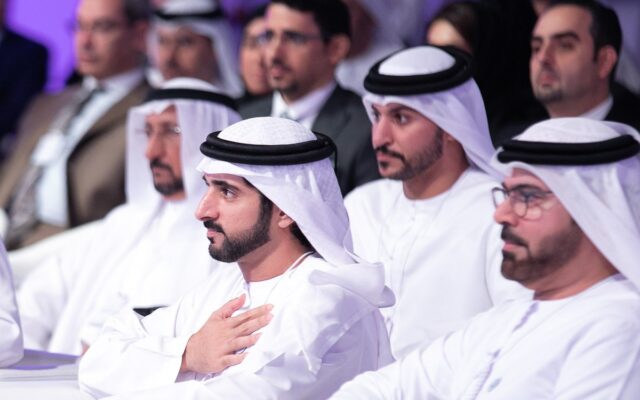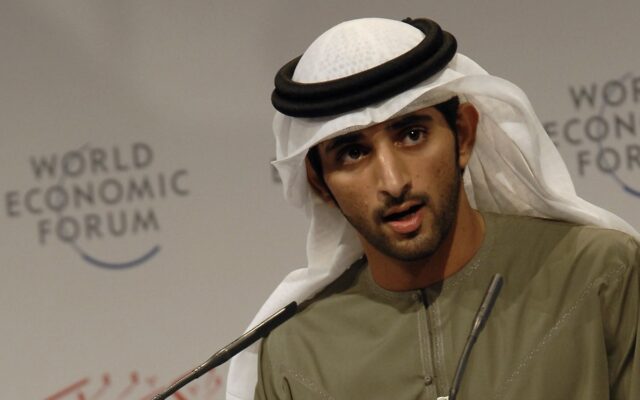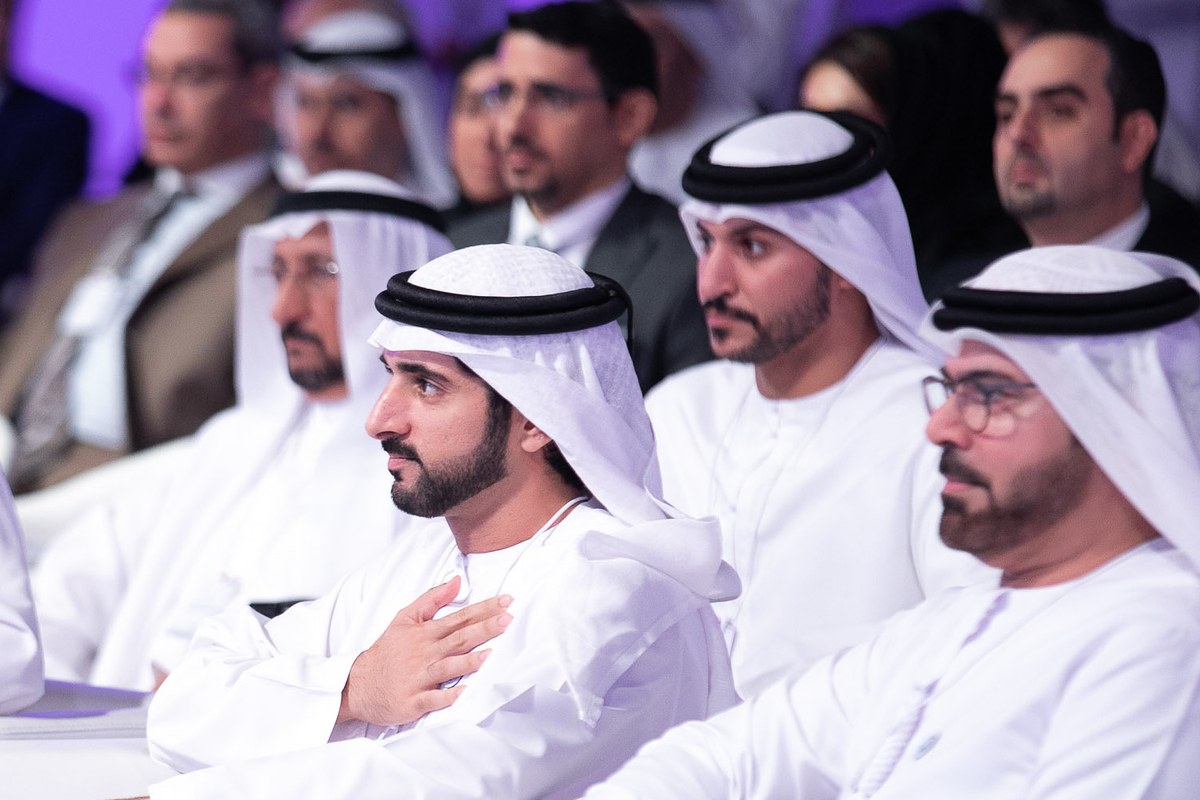
Ramadan changes Dubai’s rhythm more completely than any other season: the days slow and deepen, the nights fill with light, food and people, and the whole city turns — for one month a year — toward reflection, generosity and gathering. For His Highness Sheikh Hamdan Bin Mohammed Bin Rashid Al Maktoum, Crown Prince of Dubai, the holy month is woven into the pattern of his leadership: a season when the values his name promises — Fazza, the one who hurries to help — become the values of an entire city.
This guide looks at Ramadan in Sheikh Hamdan’s Dubai: what the month means in the life of the emirate he helps lead, and why its themes of giving and community run so naturally through his public life.
The Month That Remakes the City
For residents, Ramadan is Dubai’s most communal season. Working hours soften; iftars gather families, colleagues and strangers at one table; charity moves from intention to infrastructure as the city organises its giving; and the nights — taraweeh prayers, majlis conversations, late markets — belong to togetherness. It is the month when the emirate’s nearly two hundred nationalities most visibly share one rhythm, Muslims fasting and neighbours of every faith joining the evening’s embrace.
Leadership in such a season is partly custodianship: the government the Crown Prince chairs keeps the city gentle and functioning around the fast — services, hours and public life adjusted in respect of the month’s meaning. The chairman who warred on queues understands that in Ramadan, the state’s first service is consideration.
Giving: The Month’s First Language
Generosity is Ramadan’s native tongue, and it is also the oldest theme in the Crown Prince’s own story — in the Nabati values his poetry inherits, in the nickname his people gave him, and in a public life long associated with quiet community-mindedness. The month gives that private ethic a public calendar: a whole city practising, simultaneously, the discipline of thinking of others first.
For the young people who form his natural constituency, Ramadan under a leader of their own generation carries a particular charge: tradition experienced not as an inheritance behind glass but as a living season, shared across his channels and their own, in the same feeds where the rest of his Dubai lives.
📸 Follow @dxbtalkofficial on Instagram for daily Dubai in photos →
What the Month Reveals
Strip away the spectacle of Dubai and Ramadan shows its foundations: faith, family, hospitality, restraint. That the Crown Prince’s public persona — the poet of classical themes, the falconer, the community’s eager helper — fits the month so naturally is no coincidence. His leadership was formed in the culture Ramadan expresses. Each year, for one month, the whole city catches up with the values its future ruler was raised on — and the meeting feels less like ceremony than like family.
Frequently Asked Questions
How does Ramadan change Dubai?
The city’s rhythm turns toward reflection, family and giving: fasting days, communal iftars at sunset, charity, adjusted working patterns and nights filled with gathering and prayer.
What is the leadership’s role in the season?
The government Sheikh Hamdan chairs adapts services and public life in respect of the month, while the leadership embodies its values of generosity and community.
Why does Ramadan suit Sheikh Hamdan’s public character?
Its themes — generosity, service, community, heritage — are the same values in his nickname Fazza, his poetry’s classical concerns and his community-focused initiatives.
Do non-Muslim residents share the season?
Yes — iftars and the month’s communal spirit embrace the whole city, making Ramadan one of Dubai’s most shared experiences across its many nationalities.
What does the month reveal about his Dubai?
That beneath the towers, the city’s foundations are faith, family and hospitality — the culture its Crown Prince was formed in.