There is a photograph-worthy contrast at the heart of Dubai: the world’s tallest tower rising minutes from desert where falconers still raise their birds at dawn. That contrast is deliberate policy under HH Sheikh Mohammed Bin Rashid Al Maktoum, a ruler who grew up in the world of falconry and the desert — and who has worked throughout his reign to keep those traditions alive inside one of the most futuristic cities on Earth.
Falconry is not a hobby in the Emirates; it is a civilisational skill — the art that fed families, bound tribes and taught patience to generations of desert hunters. This guide explores what the tradition means, and why its most powerful protector is also its most modern ruler.
The Falcon in the Desert World
For the Bedouin of Arabia, the falcon was survival technology: a trained hunting bird that brought food from a sky empty of anything else edible. Around the bird grew an entire culture — training knowledge passed father to son, poetry celebrating the hunt, and a code of patience, discipline and respect for a wild creature temporarily persuaded to partner with man.
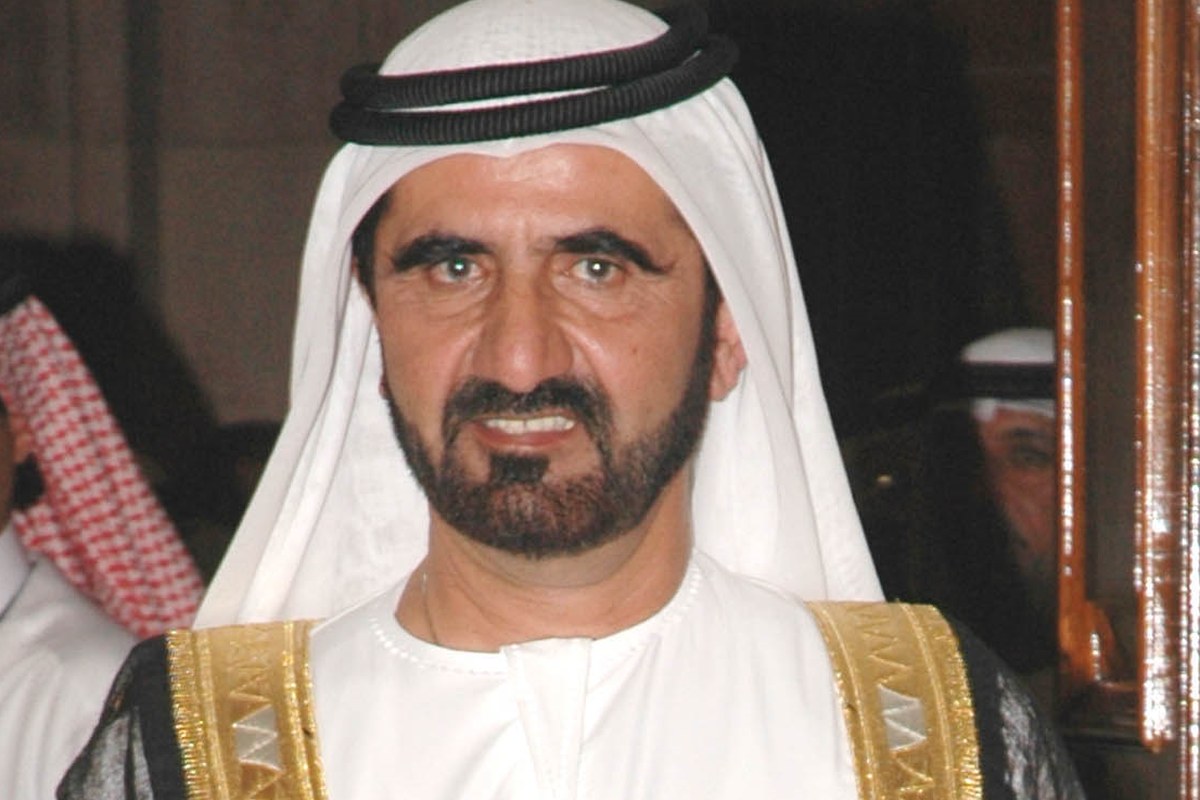
Sheikh Mohammed was born into that world in 1949, in Shindagha’s Dubai of pearl boats and desert caravans. The traditions of falconry, horsemanship and the majlis were not heritage exhibits in his childhood; they were simply life, practised by the ruling family as by everyone else.
Keeping the Traditions Alive
Modernisation usually kills such skills quietly, by making them useless. His Dubai took the opposite path: falconry and desert heritage are celebrated, regulated and supported — hunting traditions adapted to conservation rules, heritage racing and falconry events woven into the national calendar, and the desert itself protected as a place of identity rather than an obstacle to development.
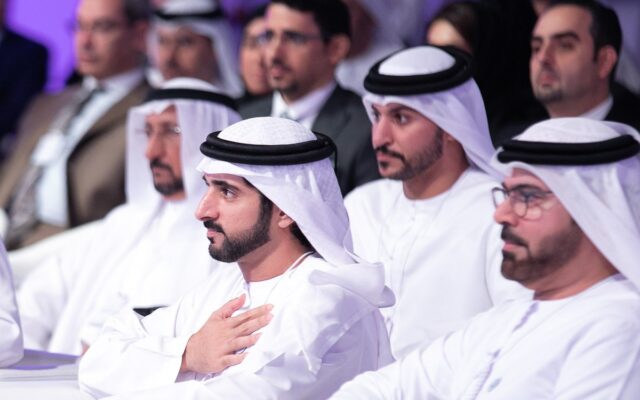
His personal example leads the policy. The ruler who founded Godolphin for horses practises the desert arts himself, and his son Sheikh Hamdan — Fazza — has become the younger generation’s most visible falconer and heritage champion. Tradition, in this family, is not delegated to a ministry. It is performed at the top.
📸 Follow @dxbtalkofficial on Instagram for daily Dubai in photos →
Why Heritage Is Strategy
There is a governing logic beneath the sentiment. A city populated by millions of newcomers, racing into the future at D33 speed, needs anchors of identity more than a settled old capital does. Falconry, poetry, the majlis and the desert code give Dubai’s story a root system — proof that the city was not invented in 1971 or 2006 but grown from something ancient.
It is the same fusion visible everywhere in his work: classical calligraphy executed by robots on the Museum of the Future; heritage districts protected inside the Dubai 2040 plan; a Nabati poet’s sensibility inside a prime minister’s office. His official line holds the two halves together: “We are building a new reality for our people, a new future for our children, and a new model of development” — a new reality, note, not an amnesiac one.
The Bird and the Tower
Every winter, as the falconry season opens, the ruler of the world’s most vertical city returns to the horizontal desert his grandfather knew. It would be easy to read this as nostalgia. It is better read as doctrine: a people that forgets its falcon will eventually forget why it built the tower.
In Sheikh Mohammed’s Dubai, the bird and the tower are not rivals. They are the same sentence — the past tense and the future tense of one continuous story, told by a man fluent in both.
Frequently Asked Questions
Why is falconry important in the UAE?
Falconry was the desert’s essential hunting art and a core of Bedouin culture — a discipline of patience, skill and partnership with a wild bird, celebrated in poetry and passed down through families including the Al Maktoum.
What is Sheikh Mohammed’s connection to the desert traditions?
He grew up in them in 1950s Dubai and practises them still — horsemanship, falconry and the majlis culture — while his son Sheikh Hamdan champions them for the younger generation.
How does modern Dubai protect these traditions?
Through regulated, conservation-minded practice, heritage events in the national calendar, protection of historic districts in plans such as Dubai 2040, and the personal example of the ruling family.
How do heritage and modernity fit his vision?
They are one project in his philosophy: the future is built on identity, not instead of it — as in the classical calligraphy on the futuristic Museum of the Future.