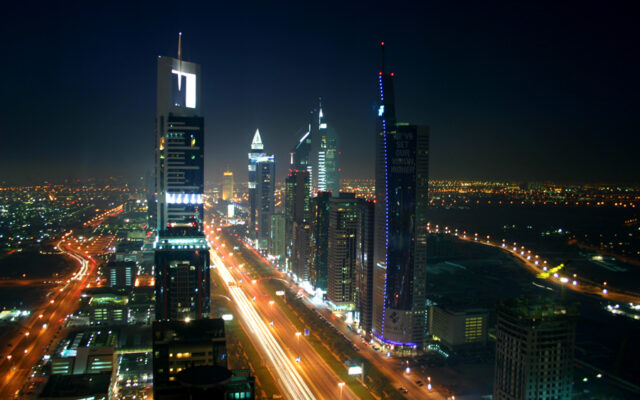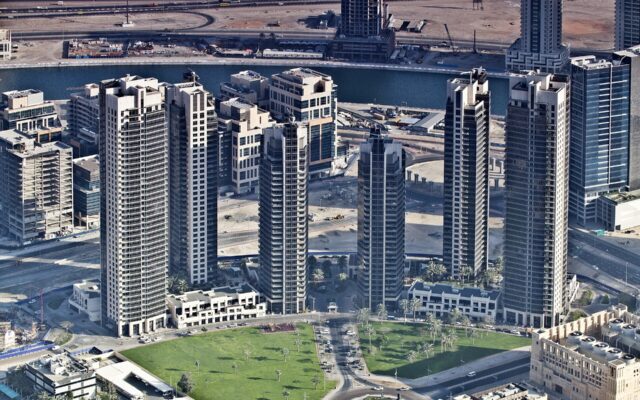

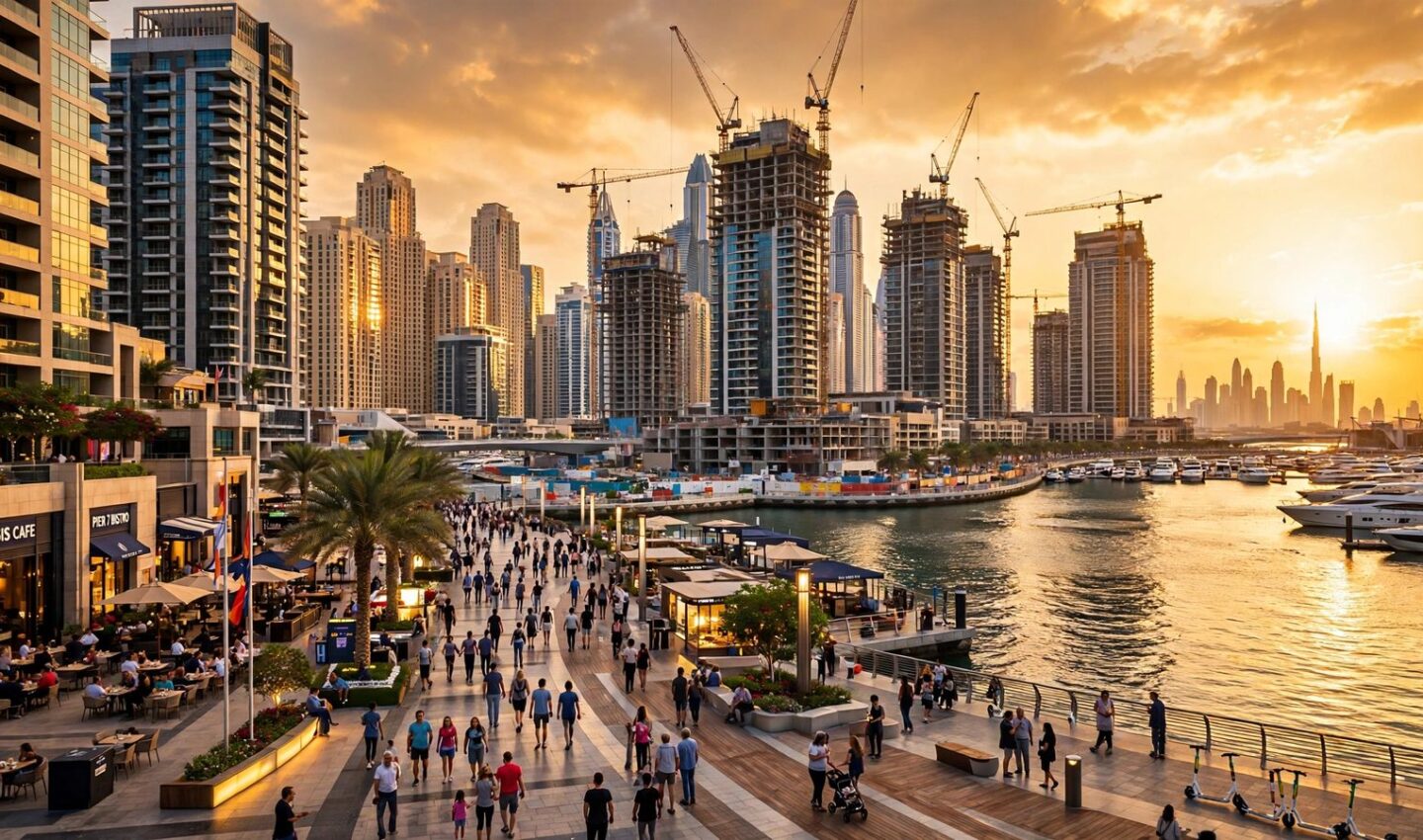
Dubai’s population has reached 4,807,185 — up nearly 227,000 since the start of the year. That is roughly 830 new residents every single day, according to the latest Betterhomes quarterly report.
The growth has not slowed even as the wider region faces uncertainty. What is keeping it going:
- Jobs and opportunity drawing talent from around the world
- 39,670 new homes completed so far this year, with 25,477 more scheduled before year-end
- Rents stabilizing — median apartment rents are within 0.6% of where they were a year ago
- Ownership widening: more than 3,200 buyers have already used Dubai’s First-Time Home Buyer Programme, purchasing property worth over AED 5 billion
For newcomers, the message is clear: Dubai is still growing, still building, and still welcoming. The question is not whether to come — it is where to live when you get here.
Follow DXB TALK for Dubai lifestyle, business, and real estate.
Why So Many People Are Choosing Dubai
Growth on this scale rarely has a single cause. Dubai’s pull tends to come from a combination of factors that reinforce each other: employment opportunities across sectors such as technology, finance, hospitality, logistics and professional services; a business environment that makes it relatively straightforward to set up and operate; and a lifestyle offer — safety, sunshine, international schools, healthcare and global flight connections — that appeals to families as well as single professionals. Remote and hybrid working have added another layer, with some residents basing themselves in the emirate while working for employers elsewhere.
Geography plays its part, too. Dubai sits within a few hours’ flying time of large parts of Asia, Europe and Africa, which makes it a practical base for people whose work and family lives span several countries. When each new wave of arrivals creates demand for services, that demand in turn creates more jobs — one of the reasons growth can sustain itself for long periods rather than arriving in a single burst.
What Rapid Growth Means If You Are Moving Here
For newcomers, a fast-growing city is exciting but rewards preparation. Popular neighbourhoods and well-located homes can attract strong competition, so it helps to start your property search early, have your documents organised — passport, visa paperwork and proof of income are typically requested — and be ready to move reasonably quickly when you find somewhere suitable. Renting first, before considering a purchase, gives you time to learn how different areas feel at different times of day and how your commute actually works in practice.
It is also worth thinking beyond the home itself:
- School places: in popular areas, demand for places at well-regarded schools can be high, so families should research admissions early rather than after signing a lease.
- Everyday capacity: clinics, gyms, supermarkets and nurseries in fast-growing districts get busier; visiting your shortlisted neighbourhood at peak times gives a realistic picture.
- Budget realistically: alongside rent, allow for agency and deposit costs, utility connections and furnishing, and check the current charges for each before committing.
- Commute first, postcode second: a slightly less fashionable area with an easy journey to work often beats a prestigious address with a daily slog.
📸 Follow @dxbtalk1 on Instagram for daily Dubai in photos →
How a Growing Population Reshapes the City
Sustained population growth changes more than the housing market. It supports new cafés, clinics, schools and community facilities, encourages developers and landlords to keep supply coming, and broadens the mix of cultures, cuisines and businesses that makes Dubai feel international. It can also bring pressure — on roads at peak hours, on popular amenities, and on rents in the most sought-after districts — which is why infrastructure, transport and housing delivery matter so much to whether growth feels like progress for the people already living here.
For long-term residents, the practical takeaway is to plan renewals and moves with a little more lead time than in quieter years, and to keep an eye on new communities coming to market, since fresh supply in emerging areas can offer more space or newer facilities for a similar budget. For anyone considering the move, the broader message of reports like this one is that Dubai’s momentum is being driven by real people arriving to live and work — and arriving prepared remains the surest way to enjoy it.