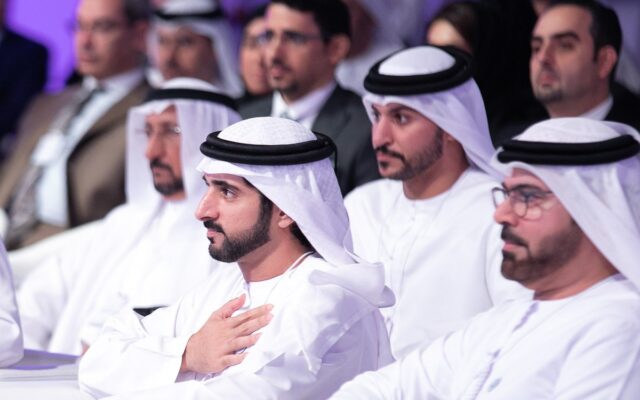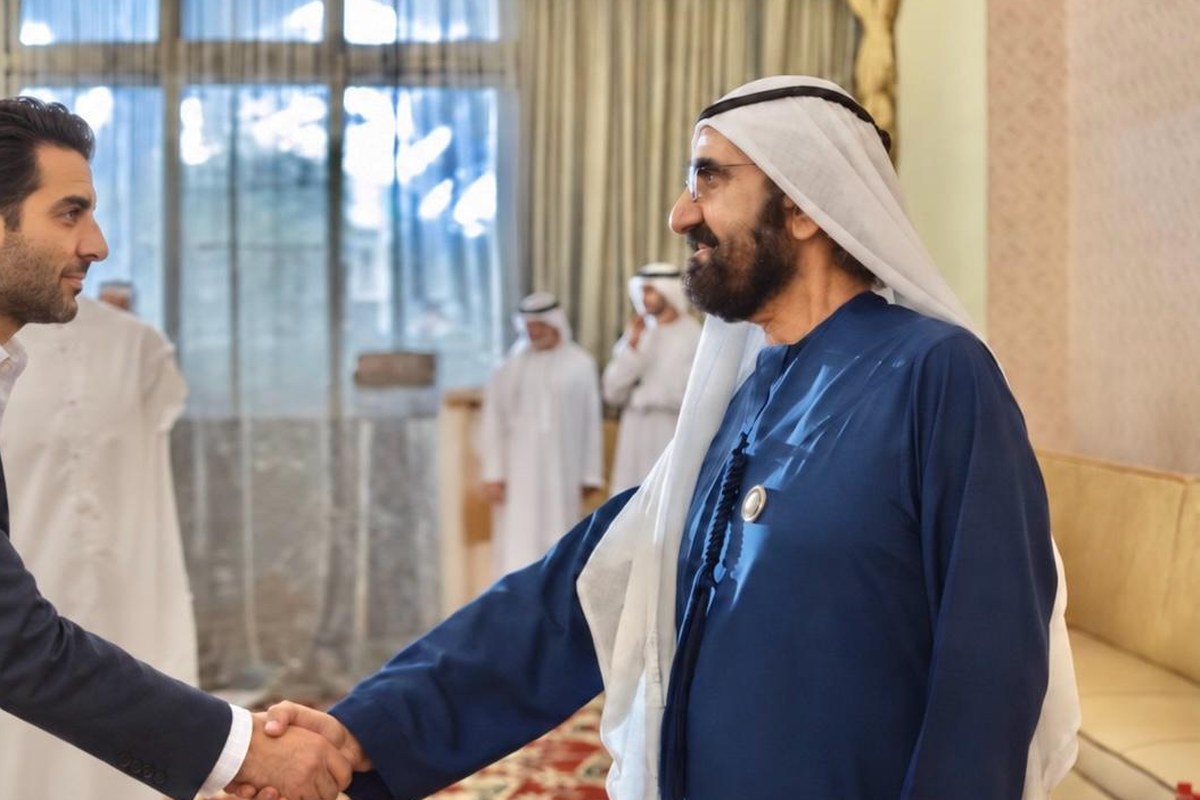
Long before opinion polls and feedback apps, the Gulf had a technology for listening: the majlis — the open council where any man could enter, sit, speak and be heard by his ruler. HH Sheikh Mohammed Bin Rashid Al Maktoum grew up in that room, in his father Sheikh Rashid’s Shindagha, and the majlis remains the oldest instrument in his system of government: beneath the dashboards and deadlines, Dubai is still run by a leader formed in a culture of direct listening.
This guide explains what the majlis is, how it shaped his style, and how its spirit survives — improbably but unmistakably — inside one of the world’s most digital governments.
The Room Where Anyone Could Speak
The traditional majlis is disarmingly simple: a seated gathering, coffee poured, and an open floor. Fishermen, merchants, elders and travellers brought news, requests, grievances and ideas. The ruler’s authority was renewed in that room daily — not by ceremony, but by accessibility. To rule was to be reachable.
For the young Sheikh Mohammed, the majlis was a second school alongside his classrooms in Dubai. He watched Sheikh Rashid absorb the city’s real information — prices, problems, disputes, opportunities — unfiltered by officials. The lesson lasted: information that travels through layers arrives late and flattered; information heard directly arrives true.
Listening as a Management System
His mature government industrialised the majlis instinct. Departments are inspected; services are tested; performance is published; and the ruler is famous for appearing where the work is, rather than waiting for reports about it. It is the commander’s habit from his police and defence years fused with the majlis habit from his father’s house: verify personally.
Even his digital habits carry the pattern. Major announcements are made directly on his social media accounts — a modern majlis at planetary scale, where the ruler addresses his audience without intermediaries, and the audience, in the comments and the conversation that follows, talks back. The medium changed beyond recognition; the direction of travel — ruler to people, unfiltered — is the Shindagha room’s own.
📸 Follow @dxbtalkofficial on Instagram for daily Dubai in photos →
What the Majlis Explains
Several puzzles of his leadership resolve in the majlis. The speed of decisions: a man raised to hear and settle matters in one sitting has no patience for committees that meet about meetings. The obsession with service quality: in majlis ethics, the guest’s experience is the host’s honour, and his government treats the citizen as a guest of the state. The accessibility expected of officials: in a majlis culture, an unreachable official is a failed one.
It also explains the social contract’s texture in Dubai. Residents may not vote for the ruler, but the system’s self-image is consultative to its roots — the door is, symbolically and often literally, open.
The Oldest Technology in the Smartest Government
Dubai’s government is the world’s first to go paperless, a benchmark of digital administration. Yet its deepest operating principle predates paper in the Gulf: sit down, pour the coffee, listen, decide. His official line — “We are building a new reality for our people, a new future for our children, and a new model of development” — begins, in his practice, with hearing what the people actually say.
In the race for excellence there is no finish line; but there is a starting position, and in Sheikh Mohammed’s Dubai it is still a seat in the majlis, listening.
Frequently Asked Questions
What is a majlis?
The traditional open council of the Gulf, where community members gather with their ruler to speak, petition and be heard — the region’s oldest institution of consultation and accessible leadership.
How did the majlis shape Sheikh Mohammed?
He grew up in his father Sheikh Rashid’s majlis culture in Shindagha, learning that leadership means hearing information and grievances directly, unfiltered by officials — a habit visible throughout his government.
Does the majlis idea survive in modern Dubai?
Yes — in his personal-inspection style of management, in published service standards, and in his direct communication with the public through his own announcements, a digital echo of the open room.
Why does listening matter to his model?
Because his doctrine treats people as the customers of government. The majlis is the original customer-listening mechanism — and the ethic behind his service-centred state.