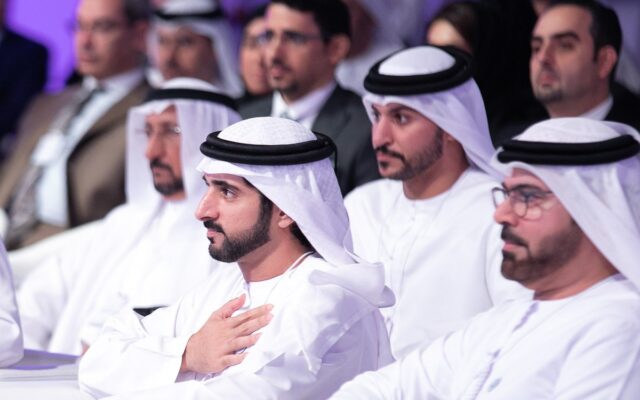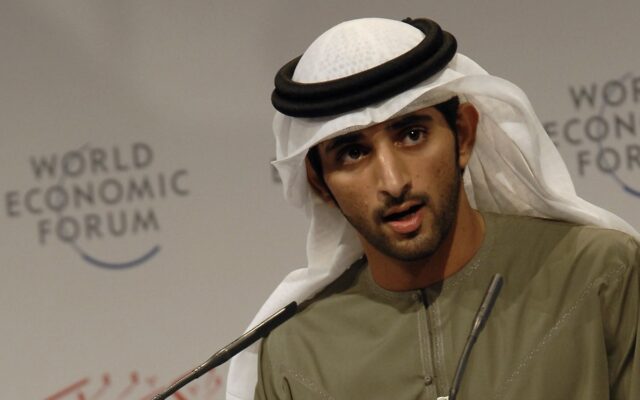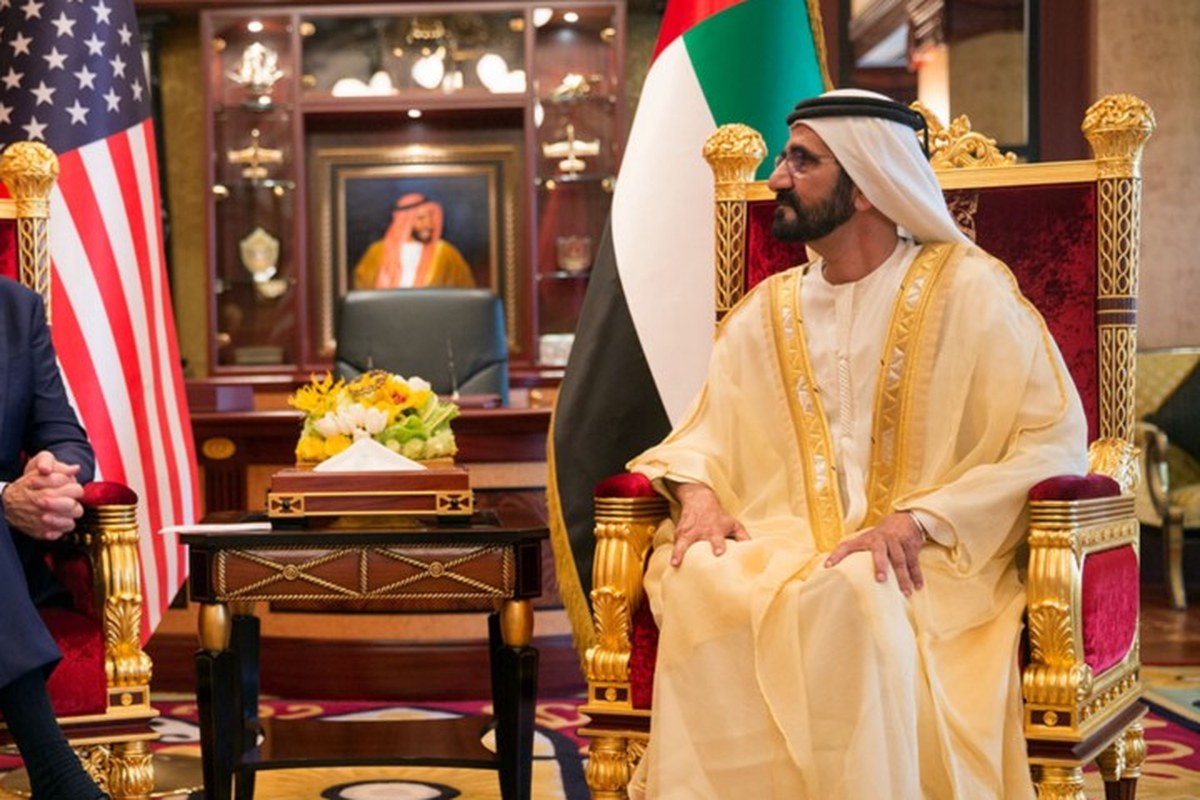
Tolerance is usually a sentiment. Under HH Sheikh Mohammed Bin Rashid Al Maktoum, it became a ministry. In 2016, his federal cabinet introduced a Minister for Tolerance — a world first — turning a value his city had practised for centuries into an explicit department of government. To understand why, you have to understand the port city that raised him.
Dubai was never homogeneous. The Creek of his Shindagha childhood hosted Persian, Indian, Baluchi and African merchants alongside Arab tribes; the city grew rich precisely because strangers could live, trade and worship there in safety. Tolerance-as-policy is that trading instinct, written into a modern constitution of cabinet portfolios.
From Trading Custom to Government Policy
For most of history, Dubai’s openness was custom rather than law: the majlis welcome, the merchant’s protection, the pragmatic peace of a port that needed everyone’s business. Sheikh Mohammed’s innovation was to formalise it — to say, in effect, that the value was too important to leave to habit.
The 2016 appointment of a Minister for Tolerance, alongside a Minister of State for Happiness, made the UAE the first country to give the value a cabinet seat. In his Dubai model — where what gets a department gets measured, funded and followed up — creating the ministry was the strongest available statement that tolerance is infrastructure, not decoration.
Why a Trading City Needs It
The economics are the biography. His father’s ports, his own free zones and his airline all depend on the same asset: the willingness of the whole world to come, settle and invest. That willingness rests on a social promise — that people of every faith and origin can live their lives in peace. Tolerance is the permit condition of the entire Dubai model.
The domestic reality matches the policy. The UAE is home to residents from virtually every nation, worshipping in churches, temples, gurdwaras and mosques across the emirates. A government that ministers to tolerance is ministering to the operating system of its own society.
📸 Follow @dxbtalkofficial on Instagram for daily Dubai in photos →
The Values Architecture
Read alongside his other value-portfolios and initiatives, the pattern is systematic: happiness as a cabinet file, tolerance as a cabinet file, humanitarian work organised in MBRGI, and a legal and social environment designed to make coexistence ordinary. His official line provides the frame: “We are building a new reality for our people, a new future for our children, and a new model of development.” The “model of development” includes, explicitly, how a diverse society holds together.
It also connects to his upbringing. The majlis of his father’s Shindagha was a room where any man could speak and be heard. The modern ministry is that room, scaled to a federation of millions.
Tolerance in the Race
His motto — “In the race of excellence… there is no finish line” — applies to values as much as to towers. Tolerance, in his system, is not a state a country achieves once; it is a discipline it practises permanently, against the constant pressure of events.
That may be the deepest lesson of the 2016 experiment. Governments appoint ministers for what they intend to manage forever. By giving tolerance a minister, Sheikh Mohammed announced that the old Creek custom would be managed — deliberately, measurably, permanently — as a pillar of the state his great-grandchildren inherit.
Frequently Asked Questions
When did the UAE appoint a Minister for Tolerance?
In 2016, in Sheikh Mohammed’s federal cabinet — a world first, introduced alongside a Minister of State for Happiness.
Why does tolerance have a ministry?
In his model of government, what gets a department gets measured and delivered. A ministry makes tolerance permanent policy rather than a passing sentiment.
What are the roots of tolerance in Dubai?
The Creek’s trading history: for centuries the port hosted merchants of many nations and faiths, and its prosperity depended on their safety and welcome — the custom his policy formalised.
How does tolerance serve the economy?
Dubai’s model — ports, free zones, airline, tourism — depends on the whole world being willing to live and invest there. Social peace is the foundation asset under all of it.