

This is a practical guide to a E-commerce company in Dubai Design District — written for people who live here, not visitors passing through. It covers the systems you will deal with, the documents and decisions that matter, and the mistakes that cost residents time and money, in the order you will actually meet them.
How this connects to the rest of Dubai life
Nothing in this guide sits alone. a E-commerce company in Dubai Design District touches your housing, your banking, your children’s schooling or your employer’s paperwork — usually two of those at once. That is why the sequencing advice in these guides keeps repeating: identity and residency first, then the tenancy and utility chain, then the money systems, then the lifestyle layer. Each completed layer makes the next one a formality.
It is also why small administrative untidiness compounds: an out-of-date phone number on your ID record blocks a bank OTP, which blocks a payment, which blocks a renewal. Keep the foundations current — ID, number, address records, document scans — and the whole city’s machinery stays oiled on your behalf.
Why companies choose Dubai Design District
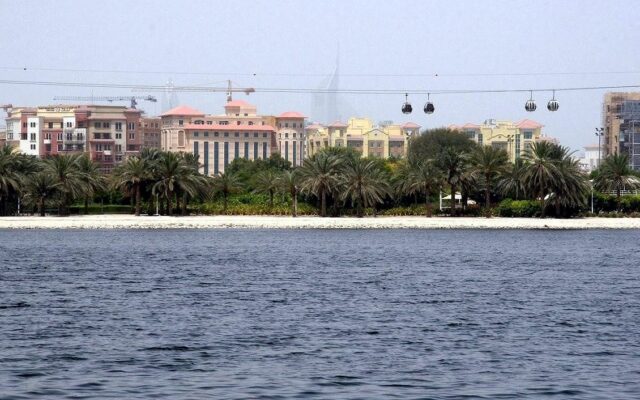
Dubai Design District is d3 — the design district in Business Bay’s extension, built for fashion, design and creative brands. Companies base there for the usual free zone reasons — 100% foreign ownership, a defined activity list, visa packages tied to the licence — plus the specific gravity of the cluster itself: being surrounded by your industry helps hiring, partnerships and credibility with clients who know the map.
The decision is rarely about the licence fee alone. It is about the total three-year cost: licence, establishment card, visas, office or flexi-desk requirement, renewal, and the banking and client perception that come with the address. Dubai Design District wins for E-commerce businesses when those lines add up in its favour.
📸 Follow @dxbtalk on Instagram for daily Dubai in photos →
Running it properly
Once licensed, the obligations are annual and predictable: licence renewal, establishment card renewal, office/flexi-desk renewal, visa renewals on their own cycle, and bookkeeping that survives an audit. UAE corporate tax now applies across the board with a free zone regime for qualifying income — register for tax, keep proper accounts from month one, and take advice on your specific activity mix rather than assuming ‘free zone’ means ‘no tax’.
Economic substance and UBO declarations apply to most structures; your registered agent or the zone’s portal will prompt the filings. The companies that run cleanly in Dubai Design District treat compliance as a calendar, not a crisis.
Setting up a E-commerce company in Dubai Design District
The sequence is standard: choose the exact activity wording (the licence must match how you actually sell: marketplace-only, own-website, or trading in physical stock each imply different activity wording and customs arrangements), reserve the company name, submit passports and application, receive initial approval, sign the incorporation documents, pay, and collect the licence and establishment card. Corporate bank account opening follows — allow weeks, prepare a business plan and source-of-funds answers, and expect the bank’s compliance questions to be the slowest step of the whole setup.
Visa packages attach to the licence and office type: a flexi-desk supports fewer visas than a physical office. For a E-commerce company, size the visa package to the team you will actually hire in year one — upgrading later is normal, and over-buying visas is the classic setup overspend.
One more thing residents learn
Experience adds a footnote to almost every Dubai system: the second time you do this, it takes half the time and a quarter of the stress. The learning curve is the real cost of the first attempt, which is why residents swap notes so freely — in the community groups, at the school gate, in the queue itself. Ask the person who did it last month, and offer your own notes when you are the one who has done it. The city’s informal knowledge network is one of its genuine infrastructures.
Common questions
What is the most common mistake?
Acting on out-of-date advice. Systems here change yearly; a friend’s experience from a previous contract or a previous visa is a starting point, not a rule. The second most common mistake is paying an intermediary for a step the official app handles directly.
Where can I double-check the current rules?
On the official channel for the authority involved — its website, app or service centre — because fees, hours and procedures for a E-commerce company in Dubai Design District are updated by official decision and summaries like this one age. Verify the step you are about to pay for, on the day you pay for it.
What is the most common mistake?
Acting on out-of-date advice. Systems here change yearly; a friend’s experience from a previous contract or a previous visa is a starting point, not a rule. The second most common mistake is paying an intermediary for a step the official app handles directly.
Where do residents get reliable local detail?
Community groups for your district, school or workplace hold the lived detail — which branch is quick, what the process felt like last month. Combine that texture with the official source for the rule itself, and you have the full picture.
The bottom line
Handled in the right order, a E-commerce company in Dubai Design District is a solved problem — thousands of residents do it every month. Prepare the documents, use the official channels, keep your records, and it becomes one more piece of Dubai admin that quietly stays done. This guide is part of DXB Talk’s resident library at dxbtalk.com, where the guides interlock the way the systems do.