

Dubai runs on systems, and daily life in DIFC sits at the crossing of several of them. Get the sequence right and it is a morning’s work; get it wrong and it follows you for months. Here is the sequence, the paperwork, and the local knowledge that turns a bureaucratic obstacle course into a routine errand.
Taxis, ride-hailing and going car-free
Dubai taxis are plentiful, metered and safe; ride-hailing (Careem, Uber and local options) adds booking and car-class choice at a premium. From DIFC, learn the peak patterns — rain (rare but chaotic), Thursday-evening and event-night surges, and the airport rush. School and work packages exist through transport companies for regular routes.
Going car-free in DIFC is genuinely possible if your life is metro-shaped, and it deletes the costs of Salik, parking, insurance, testing and maintenance at a stroke. Do the honest annual maths with your real taxi spend from two months of apps before deciding — residents guess this number wrong in both directions.
Costs: how to think about the money
Resist any single quoted figure for daily life in DIFC — including from well-meaning friends. Costs here split into official fees (published, fixed, and worth checking on the authority’s own schedule rather than through an intermediary), market prices (negotiable, seasonal, and different by district), and the hidden third category: the cost of doing it in the wrong order, which usually arrives as a second fee, a second trip or a second deposit.
Build your budget from three live quotes wherever the market is involved, add a contingency you genuinely keep untouched, and treat ‘cheap’ offers that skip official steps as the most expensive option on the table. In Dubai the boring, receipted route is almost always the cheapest route by the end of the year.
📸 Follow @dxbtalk1 on Instagram for daily Dubai in photos →
Metro, buses and the commute maths
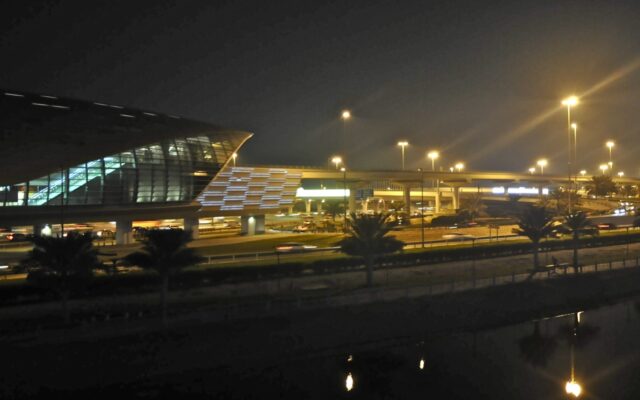
If DIFC sits within a short walk or feeder ride of a station, a metro commute beats driving on both cost and sanity for the Sheikh Zayed Road corridor and Deira/Bur Dubai routes: no Salik, no parking, predictable timing. Peak crowding is real (7:30-9am toward the business districts) — shifting your start by thirty minutes transforms the experience. First/last train times change on weekends and holidays; check the RTA app rather than assuming.
For cross-town trips off the metro spine — into Dubailand, Al Barsha, the villa suburbs — buses involve changes and the car or taxi wins. Many DIFC households run a hybrid: metro for the work commute, a car (or Careem habit) for weekends and the school-and-shop circuit.
Timing: when to do what
Timing shapes outcomes here more than most cities. The working week runs Monday to Friday, government counters are calmest early in the morning, and the calendar bends around Ramadan (shorter official hours, slower processing, evenings that come alive) and the summer months, when decision-makers travel and some processes stretch. School, tenancy and visa cycles interlock: a September school start implies a spring application, a summer tenancy signing and documents attested before either.
Plan backwards from the date that cannot move — the lease start, the school term, the visa expiry — and put your own deadlines a fortnight ahead of the official ones. The residents who glide through Dubai’s systems are not better connected; they are simply earlier.
Keeping records like a resident
Long-term Dubai residents share one unglamorous habit: a records folder, physical or digital, containing the ID, the tenancy, the key contracts, the insurance cards and the last few official receipts for everything. It sounds excessive until the day a bank, a school or an officer asks for a document from two years ago — which, in this city’s joined-up bureaucracy, is a day that reliably comes. Build the folder as you go; reconstructing it afterwards is the painful version.
Common questions
Where do residents get reliable local detail?
Community groups for your district, school or workplace hold the lived detail — which branch is quick, what the process felt like last month. Combine that texture with the official source for the rule itself, and you have the full picture.
Can I do most of this online?
Mostly, yes — Dubai has moved the majority of resident transactions into official apps and portals. The steps that still need your presence are usually biometrics, medicals, signatures and original-document sighting. Start online, and attend in person only for the step that requires your body.
What is the most common mistake?
Acting on out-of-date advice. Systems here change yearly; a friend’s experience from a previous contract or a previous visa is a starting point, not a rule. The second most common mistake is paying an intermediary for a step the official app handles directly.
Where do residents get reliable local detail?
Community groups for your district, school or workplace hold the lived detail — which branch is quick, what the process felt like last month. Combine that texture with the official source for the rule itself, and you have the full picture.
The bottom line
Handled in the right order, daily life in DIFC is a solved problem — thousands of residents do it every month. Prepare the documents, use the official channels, keep your records, and it becomes one more piece of Dubai admin that quietly stays done. This guide is part of DXB Talk’s resident library at dxbtalk.com, where the guides interlock the way the systems do.