
Dubai runs on systems, and daily life in Al Nahda sits at the crossing of several of them. Get the sequence right and it is a morning’s work; get it wrong and it follows you for months. Here is the sequence, the paperwork, and the local knowledge that turns a bureaucratic obstacle course into a routine errand.
Getting help: official channels and community knowledge
Two kinds of help exist and they are good at different things. Official channels — the authority’s app, call centre and service centres, plus licensed service centres such as Amer and the typing centres — own the rules and the transactions. Community knowledge — the residents’ groups for your district, school or nationality — owns the lived detail: which branch is efficient, which counter to ask for, what the process felt like last month.
Use them in that order for anything with legal or financial weight: official source for the rule, community for the texture. Be wary of any individual who offers to bypass an official step for a fee — in a city this digitised, the bypass is usually a detour into a scam the authorities warn about by name.
Metro, buses and the commute maths
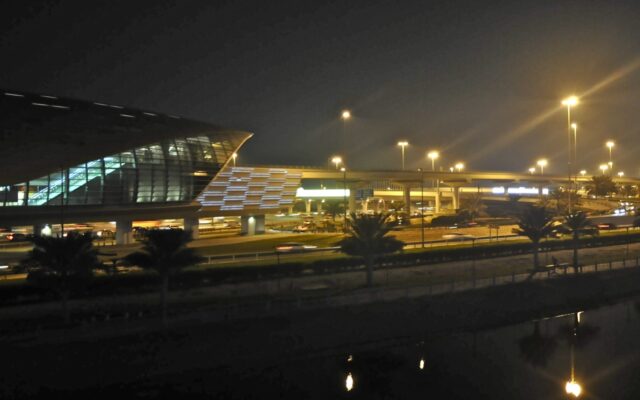
If Al Nahda sits within a short walk or feeder ride of a station, a metro commute beats driving on both cost and sanity for the Sheikh Zayed Road corridor and Deira/Bur Dubai routes: no Salik, no parking, predictable timing. Peak crowding is real (7:30-9am toward the business districts) — shifting your start by thirty minutes transforms the experience. First/last train times change on weekends and holidays; check the RTA app rather than assuming.
For cross-town trips off the metro spine — into Dubailand, Al Barsha, the villa suburbs — buses involve changes and the car or taxi wins. Many Al Nahda households run a hybrid: metro for the work commute, a car (or Careem habit) for weekends and the school-and-shop circuit.
📸 Follow @dxbtalk1 on Instagram for daily Dubai in photos →
Taxis, ride-hailing and going car-free
Dubai taxis are plentiful, metered and safe; ride-hailing (Careem, Uber and local options) adds booking and car-class choice at a premium. From Al Nahda, learn the peak patterns — rain (rare but chaotic), Thursday-evening and event-night surges, and the airport rush. School and work packages exist through transport companies for regular routes.
Going car-free in Al Nahda is genuinely possible if your life is metro-shaped, and it deletes the costs of Salik, parking, insurance, testing and maintenance at a stroke. Do the honest annual maths with your real taxi spend from two months of apps before deciding — residents guess this number wrong in both directions.
Getting around from Al Nahda
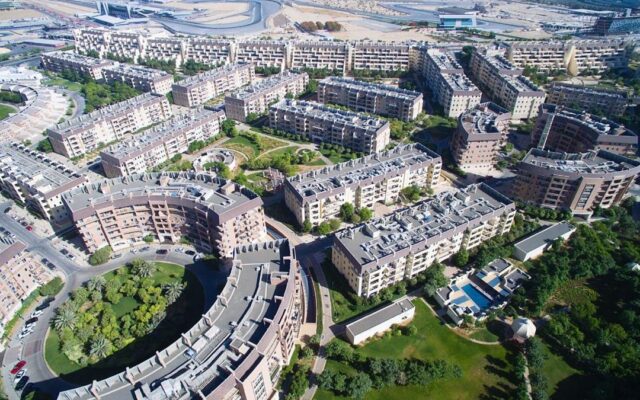
Al Nahda is a dense apartment district on the Sharjah border, popular with commuters for its larger flats. Your transport reality depends on three things: distance to a metro station (Red and Green lines cover the city’s spine), the bus network that feeds the stations, and how much of your life sits within taxi distance. The Nol card unifies metro, bus, tram and paid parking; the RTA’s S’hail app plans journeys and shows live timings. From Al Nahda, map your two or three daily journeys honestly before deciding you need a car.
Feeder buses are the underrated layer — frequent on main corridors, air-conditioned, and timed to the metro. Bus stops and shelters vary; summer walking distance to a stop is a real constraint, so measure it in minutes of shade, not metres on a map.
The long view
It is worth remembering what all this admin is for. Dubai rewards the settled: the resident with clean records, a stable address history and documents in order finds that doors open quickly — credit, tenancies, visas for family, business opportunities. The systems described in this guide are the toll gates on that road, and they are all, individually, quite passable. Take them one at a time, in the right order, and the city becomes remarkably easy to live in.
Common questions
Where do residents get reliable local detail?
Community groups for your district, school or workplace hold the lived detail — which branch is quick, what the process felt like last month. Combine that texture with the official source for the rule itself, and you have the full picture.
Can I do most of this online?
Mostly, yes — Dubai has moved the majority of resident transactions into official apps and portals. The steps that still need your presence are usually biometrics, medicals, signatures and original-document sighting. Start online, and attend in person only for the step that requires your body.
What is the most common mistake?
Acting on out-of-date advice. Systems here change yearly; a friend’s experience from a previous contract or a previous visa is a starting point, not a rule. The second most common mistake is paying an intermediary for a step the official app handles directly.
Where do residents get reliable local detail?
Community groups for your district, school or workplace hold the lived detail — which branch is quick, what the process felt like last month. Combine that texture with the official source for the rule itself, and you have the full picture.
The bottom line
None of this needs to be stressful. daily life in Al Nahda rewards the same three habits as everything else in Dubai: start earlier than feels necessary, keep every reference number, and verify the final step on the official channel. Do that, and consider it handled — and keep dxbtalk.com bookmarked for the next system you meet.