
This is a practical guide to Lebanese food in Al Quoz — written for people who live here, not visitors passing through. It covers the systems you will deal with, the documents and decisions that matter, and the mistakes that cost residents time and money, in the order you will actually meet them.
How this connects to the rest of Dubai life
Nothing in this guide sits alone. Lebanese food in Al Quoz touches your housing, your banking, your children’s schooling or your employer’s paperwork — usually two of those at once. That is why the sequencing advice in these guides keeps repeating: identity and residency first, then the tenancy and utility chain, then the money systems, then the lifestyle layer. Each completed layer makes the next one a formality.
It is also why small administrative untidiness compounds: an out-of-date phone number on your ID record blocks a bank OTP, which blocks a payment, which blocks a renewal. Keep the foundations current — ID, number, address records, document scans — and the whole city’s machinery stays oiled on your behalf.
What to order
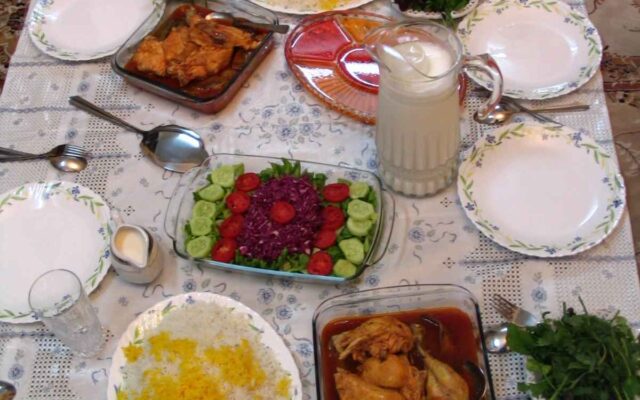
The essential Lebanese order is mezze spreads, shish tawook, kibbeh, fatteh, manakish and garlic toum. First visit strategy: one signature dish, one grill or main the table shares, bread or rice as the kitchen intends, and the drink or dessert the cuisine is known for. Regulars at Al Quoz’s better Lebanese places order narrowly and often — the tenth visit is when the kitchen sends out the thing that is not on the menu.
If you are new to Lebanese food, say so and ask what the staff eat. In Dubai’s community restaurants that question is received as respect, and the answer is usually the best plate in the house.
📸 Follow @dxbtalk on Instagram for daily Dubai in photos →
What Lebanese food means in Al Quoz
Lebanese food is Dubai’s default ‘nice dinner’ cuisine — mezze culture suits the city’s long, social evenings. In Al Quoz — Dubai’s industrial-turned-creative district of warehouses, Alserkal Avenue galleries, workshops and garages — the Lebanese options sit inside that landscape: a few dedicated restaurants, counters inside food courts and cafeterias, and delivery coverage that is usually wider than the physical map suggests. Judge a place the resident way: who is eating there, and whether the kitchen’s own community trusts it.
The honest pattern for Lebanese food in Dubai is that quality follows community. Where the cuisine’s own people live and work, the restaurants cook for them; the further from that base, the more the menu adapts to everyone. Al Quoz gives you its version — this guide helps you find the best of it.
Finding the good places (and the groceries)
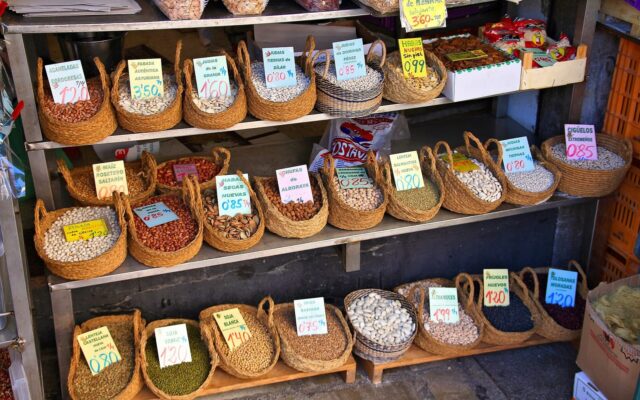
Discovery in Al Quoz runs on community groups, delivery-app ratings read skeptically (look at review counts and the complaints’ themes), and the lunchtime queue test. For cooking at home, the ingredients for Lebanese dishes live in the ethnic grocers and the big chains’ international aisles; the specialist shops cluster in the districts where the community settled first — worth a monthly stock-up trip from Al Quoz.
Prices separate into three bands: cafeteria-level (feed a family for the cost of one mall meal), mid-range family restaurants, and the polished places in hotels and premium districts. Lebanese food is one of Dubai’s reliable pleasures at the first two bands — you rarely need the third for a satisfying meal.
What has changed recently
Dubai’s systems are revised constantly — fees, channels, even whole authorities get restructured, and processes that lived at a counter last year live in an app this year. Treat every guide, including this one, as a map that needs a final check against the live territory: the authority’s current page, the app as it stands today. The residents who never get caught out are the ones who verify the last step, every time, even when they have done it before.
Common questions
Where can I double-check the current rules?
On the official channel for the authority involved — its website, app or service centre — because fees, hours and procedures for Lebanese food in Al Quoz are updated by official decision and summaries like this one age. Verify the step you are about to pay for, on the day you pay for it.
What is the most common mistake?
Acting on out-of-date advice. Systems here change yearly; a friend’s experience from a previous contract or a previous visa is a starting point, not a rule. The second most common mistake is paying an intermediary for a step the official app handles directly.
Is this cuisine easy to find elsewhere in Dubai too?
Dubai’s size works in the diner’s favour: most cuisines in this guide exist in several districts, but the atmosphere, price point and audience differ by area — which is exactly why the pairing in the title matters more than the cuisine alone.
Can I do most of this online?
Mostly, yes — Dubai has moved the majority of resident transactions into official apps and portals. The steps that still need your presence are usually biometrics, medicals, signatures and original-document sighting. Start online, and attend in person only for the step that requires your body.
The bottom line
The pattern underneath Lebanese food in Al Quoz is the pattern underneath most of Dubai life: the systems work, the paperwork is the price, and preparation is the discount. Do it once, properly, and you join the residents who find this city easy. More step-by-step resident guides live at dxbtalk.com.