This is a practical guide to Japanese food in Business Bay — written for people who live here, not visitors passing through. It covers the systems you will deal with, the documents and decisions that matter, and the mistakes that cost residents time and money, in the order you will actually meet them.
Getting help: official channels and community knowledge
Two kinds of help exist and they are good at different things. Official channels — the authority’s app, call centre and service centres, plus licensed service centres such as Amer and the typing centres — own the rules and the transactions. Community knowledge — the residents’ groups for your district, school or nationality — owns the lived detail: which branch is efficient, which counter to ask for, what the process felt like last month.
Use them in that order for anything with legal or financial weight: official source for the rule, community for the texture. Be wary of any individual who offers to bypass an official step for a fee — in a city this digitised, the bypass is usually a detour into a scam the authorities warn about by name.
What to order
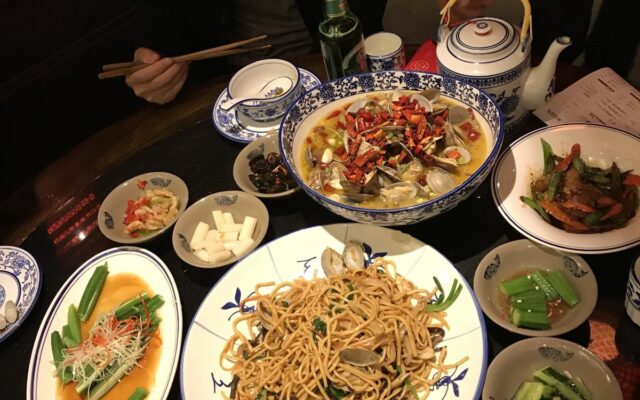
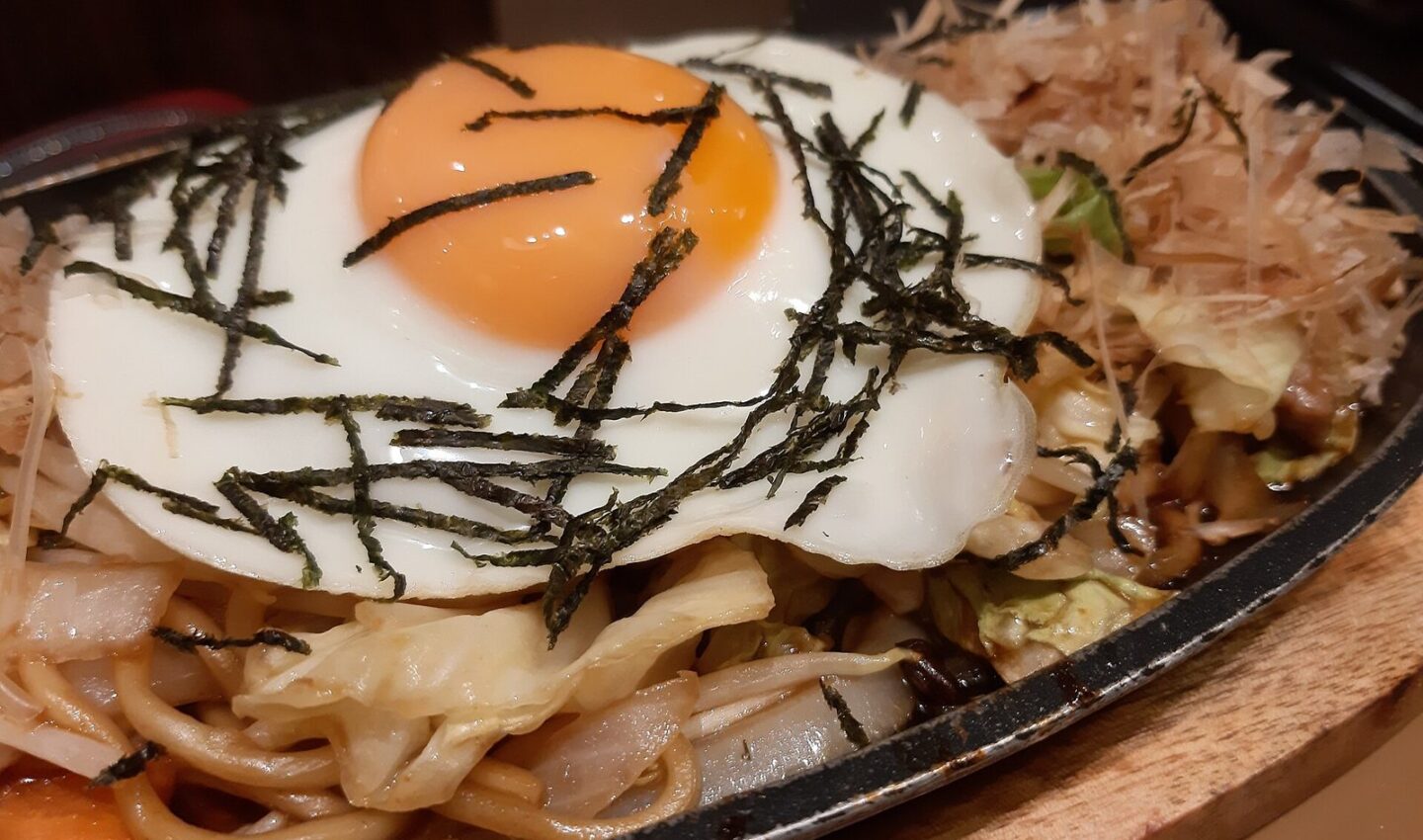
The essential Japanese order is sushi and sashimi, ramen, tempura, teppanyaki and izakaya small plates. First visit strategy: one signature dish, one grill or main the table shares, bread or rice as the kitchen intends, and the drink or dessert the cuisine is known for. Regulars at Business Bay’s better Japanese places order narrowly and often — the tenth visit is when the kitchen sends out the thing that is not on the menu.
If you are new to Japanese food, say so and ask what the staff eat. In Dubai’s community restaurants that question is received as respect, and the answer is usually the best plate in the house.
📸 Follow @dxbtalkofficial on Instagram for daily Dubai in photos →
What Japanese food means in Business Bay
Japanese restaurants divide into chef-led counters (book, and budget) and the ramen/izakaya layer residents use weekly. In Business Bay — a high-rise business and residential district along the Dubai Water Canal, minutes from Downtown — the Japanese options sit inside that landscape: a few dedicated restaurants, counters inside food courts and cafeterias, and delivery coverage that is usually wider than the physical map suggests. Judge a place the resident way: who is eating there, and whether the kitchen’s own community trusts it.
The honest pattern for Japanese food in Dubai is that quality follows community. Where the cuisine’s own people live and work, the restaurants cook for them; the further from that base, the more the menu adapts to everyone. Business Bay gives you its version — this guide helps you find the best of it.
Mistakes residents make (so you don’t have to)
The recurring mistakes are boringly consistent. Acting on a friend’s experience from three years ago in a system that has since moved online. Paying an intermediary for something the official app does free. Signing — a lease, a contract, a package — before reading the clause that governs leaving it. And assuming that because something is common practice it is therefore permitted: Dubai tolerates a lot informally right up to the moment it doesn’t.
The antidote is unglamorous: verify on the official channel, read the document, ask what happens if you need to stop or leave, and get commitments in writing. None of this slows a well-run process by more than a day, and it prevents the month-long unravellings that fill the community forums.
Common questions
Where can I double-check the current rules?
On the official channel for the authority involved — its website, app or service centre — because fees, hours and procedures for Japanese food in Business Bay are updated by official decision and summaries like this one age. Verify the step you are about to pay for, on the day you pay for it.
What is the most common mistake?
Acting on out-of-date advice. Systems here change yearly; a friend’s experience from a previous contract or a previous visa is a starting point, not a rule. The second most common mistake is paying an intermediary for a step the official app handles directly.
Is this cuisine easy to find elsewhere in Dubai too?
Dubai’s size works in the diner’s favour: most cuisines in this guide exist in several districts, but the atmosphere, price point and audience differ by area — which is exactly why the pairing in the title matters more than the cuisine alone.
Can I do most of this online?
Mostly, yes — Dubai has moved the majority of resident transactions into official apps and portals. The steps that still need your presence are usually biometrics, medicals, signatures and original-document sighting. Start online, and attend in person only for the step that requires your body.
The bottom line
Handled in the right order, Japanese food in Business Bay is a solved problem — thousands of residents do it every month. Prepare the documents, use the official channels, keep your records, and it becomes one more piece of Dubai admin that quietly stays done. This guide is part of DXB Talk’s resident library at dxbtalk.com, where the guides interlock the way the systems do.