If city life is starting to feel relentless, Hatta offers the easiest mountain escape from Dubai. This inland enclave, surrounded by the Hajar Mountains, has cooler air in winter, a famous turquoise dam, heritage sites and outdoor activities for all ages. It works as a day trip, but an overnight stay lets you enjoy mornings and evenings without rushing. Here is how to plan the journey and what to do when you arrive.
Table of Contents
Where Hatta Is and When to Go
Hatta is an exclave of the Emirate of Dubai, set in the mountains near the border with Oman, around 130 kilometres south-east of the city. The landscape could hardly be more different from the coast: rocky peaks, dry wadis, farms and small villages replace beaches and towers. Temperatures are often a few degrees lower than in Dubai, especially in the evening, although summer days are still very hot.
Winter, roughly November to March, is the best season. This is when hiking, cycling and kayaking are genuinely pleasant. In hotter months, plan activities for early morning and late afternoon, and carry far more water than you think you will need.
The Drive From Dubai
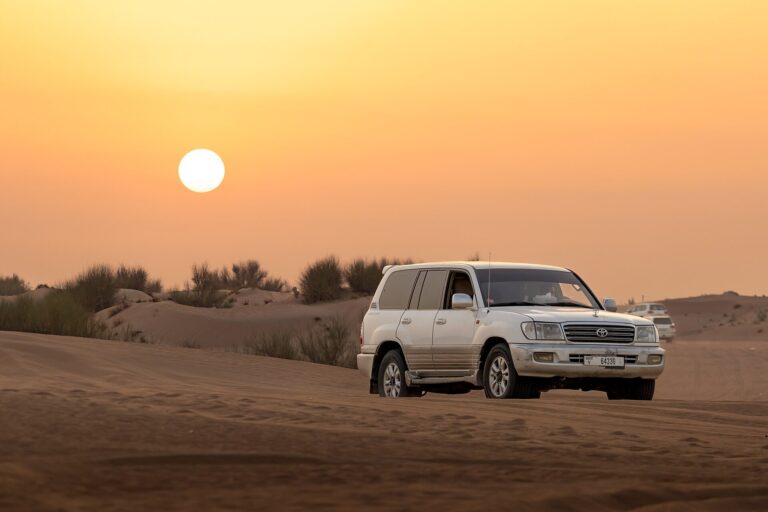
Most visitors drive, and the journey typically takes roughly 90 minutes to two hours depending on your starting point, traffic and stops. The road is paved and generally well maintained, passing through desert before climbing into more rugged terrain. Fill up with fuel before the final stretch, and download maps for offline use in case of patchy signal.
Some roads towards Hatta pass close to, or briefly through, areas near Oman, and checkpoint and ID requirements can vary by route and can change. Carry your Emirates ID if you are a resident, and your passport as well to be safe, and check your exact route before you set off. Do not rely on an old blog post for border rules — check current official guidance on the day you travel.
Going by Bus and Taxi
You do not need your own car. Public buses run from Dubai to Hatta, generally taking longer than driving because of stops. Schedules, departure points and fares can change, so check the latest RTA information before you travel and allow a generous margin for the return journey, especially on weekends.
Within Hatta, distances between the dam, the heritage area and activity centres are short by car but too far to comfortably walk in the heat. Local taxis are available, and some hotels offer transfers. If you arrive by bus, plan your onward travel in advance.
Things to Do When You Arrive
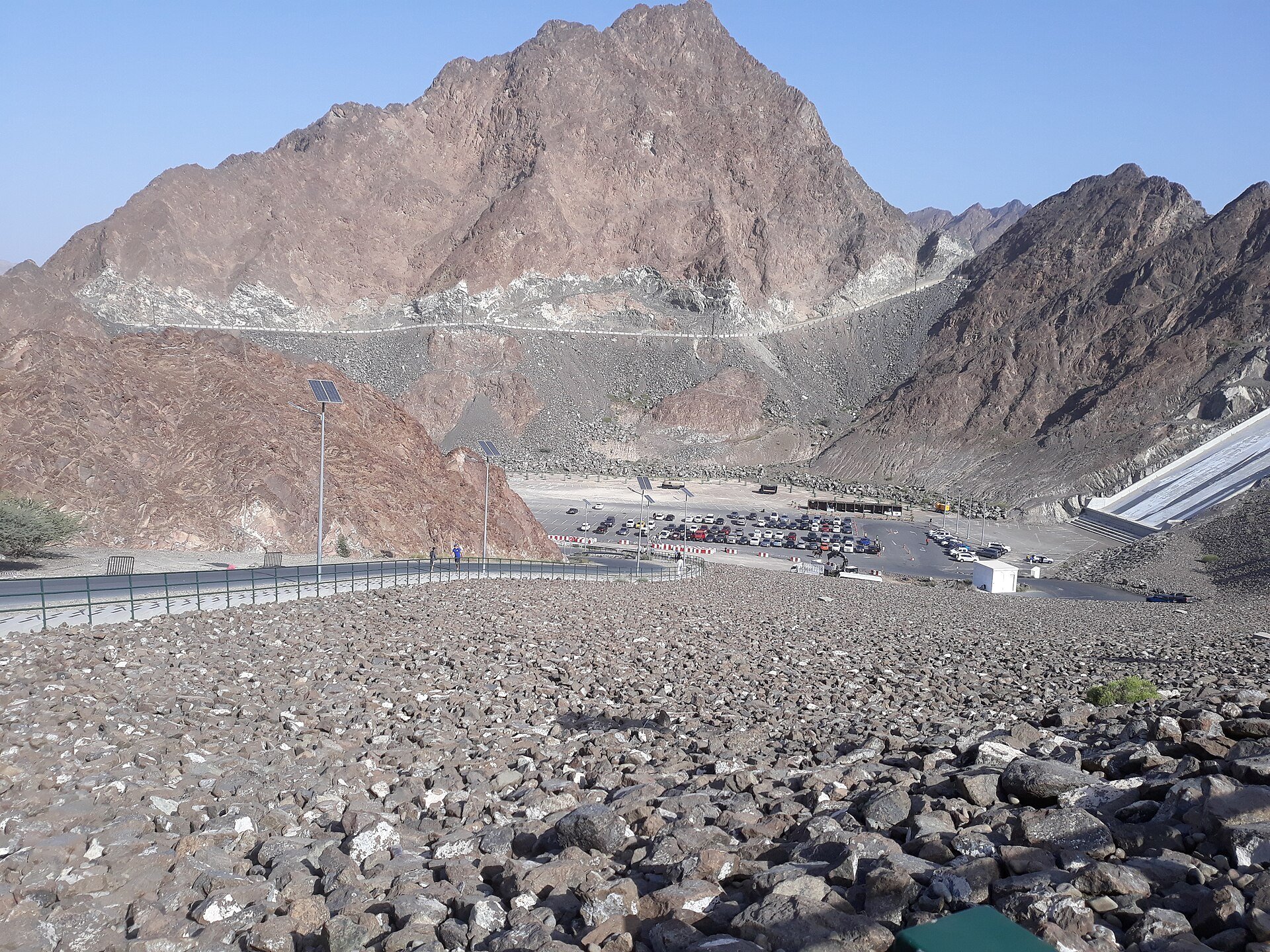
Start with Hatta Dam, the postcard image of the area. The large mural on the dam wall is hard to miss, and the viewpoint gives sweeping views of the surrounding peaks. Kayaks and other small boats are available to hire from operators at the dam, with prices and hours varying by season. Paddling out early, when the water is calm, is a memorable experience.
- Hatta Wadi Hub: The main activity centre, offering a changing mix of mountain biking, hiking trails, archery, zip lines and other outdoor attractions, plus food trucks and shaded seating.
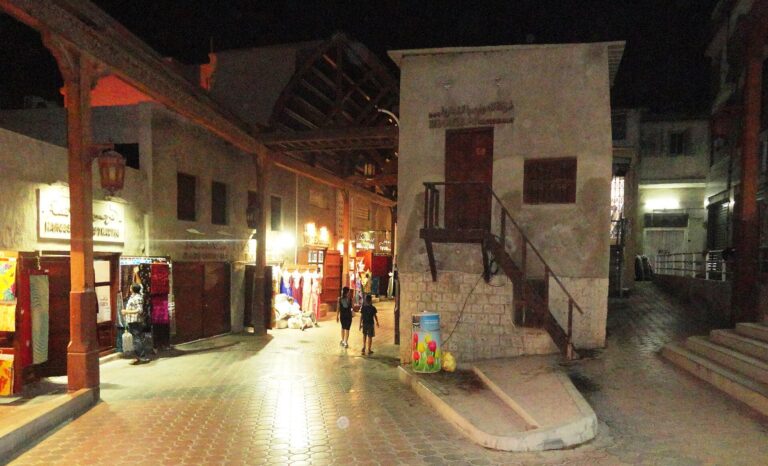
- Hatta Heritage Village: A restored village that shows traditional mountain life, with old houses, a fort, watchtowers and displays about farming, crafts and defence.
- Hiking and cycling: Marked trails of different lengths and difficulties start near the Wadi Hub. Follow the signs, stay on the paths and turn back if the heat builds.
- Parks and viewpoints: Green parks with picnic areas suit families, and the hilltop towers give wide views over the town and mountains at sunset.
Planning Tips for a Smooth Trip
Book accommodation and popular activities ahead during winter weekends, when Hatta can be busy. Pack sunscreen, a hat, sturdy shoes for rocky ground, and a light jacket for winter evenings, which can feel surprisingly cool. Mobile coverage is good in town but weaker on trails, so agree meeting points with your group.
Respect the local community: dress modestly in the village and heritage areas, ask before photographing people, and take litter home. Whether you come for kayaking, history or quieter air, Hatta shows a side of Dubai many residents never see — only a morning’s drive away.