
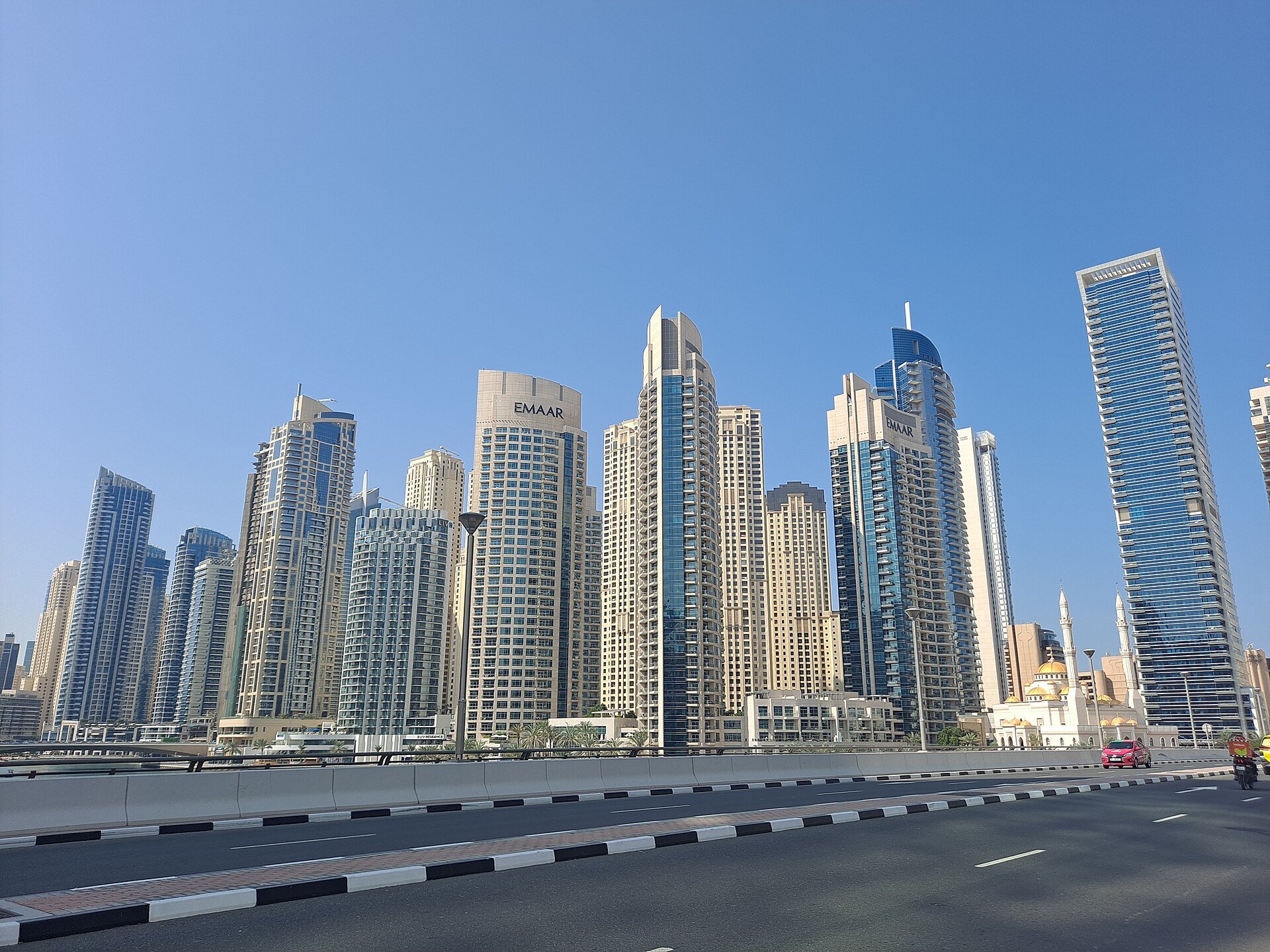
Almost every part of renting in Dubai runs through one document: your Ejari. It is the piece of paper, or these days the PDF certificate, that proves your tenancy is officially registered, and you will be asked for it when you connect utilities, sponsor family members and deal with anything official about your home. This guide explains what Ejari is, why it matters, which documents you need, and how to register step by step.
What Ejari Actually Is
Ejari, which means “my rent” in Arabic, is the official tenancy registration system run by the Dubai Land Department (DLD). Every tenancy contract for property in Dubai, residential and commercial, should be recorded on it. When a contract is registered, Ejari issues a certificate with a unique Ejari number and barcode. That certificate is the government’s record of who rents the property, from whom, for how long and at what rent. Legally, the landlord is responsible for making sure the contract gets registered, although in practice tenants often complete the paperwork themselves. Agree in writing, before you sign, who will register it and who will pay the fee.
Why You Cannot Skip It
- DEWA: tenants generally need a registered Ejari to activate electricity and water in their own name.
- Family visas: sponsoring a spouse or children usually requires an Ejari in the sponsor’s name as proof of residence.
- Rental disputes: if a disagreement with your landlord reaches the Rental Disputes Centre, an Ejari-registered contract is the recognised evidence of your tenancy.
- Everyday admin: employers, schools, banks and service providers may ask for it as proof of address.
Documents You Will Normally Need
- The signed Unified Tenancy Contract for the property, with all pages and any addendum.
- Tenant’s Emirates ID. If your Emirates ID is still being processed, ask the trustee centre or DLD channel what they will accept in the meantime.
- Tenant’s passport and residence visa copy, in many cases, particularly for non-GCC nationals.
- Landlord’s ID or passport copy for an individual landlord, and the title deed of the property.
- DEWA premises number for the unit, the nine-digit number shown at the property.
- Trade licence for a commercial tenancy, and a power of attorney if someone is registering on behalf of the landlord or tenant.
Requirements vary a little by case and by channel, so if your situation is unusual, for example a company lease or a representative signing for you, confirm the list with Dubai Land Department sources before you go.
Registering Step by Step
Step 1: Choose your channel. You can register online through the Dubai REST app or DLD services, in person at a Real Estate Services Trustee Centre, or through a licensed property management company if it manages your building.
Step 2: Submit the documents. Online, you mainly upload the tenancy contract and follow the prompts. At a trustee centre, bring the original contract and your Emirates ID, and the staff will enter the details for you.
Step 3: Pay the fee. Online registration currently totals around AED 177.75, including the registration, knowledge, innovation and service partner fees plus VAT. A trustee centre costs more, around AED 220 in total, because its service fee is higher. Fees change, so confirm the current amount on official Dubai Land Department sources before paying.
Step 4: Receive your certificate. Once approved, the e-Contract Registration Certificate is emailed to you, or handed over at the centre. Check every detail on it, names, dates, rent and property, before you leave the process.
Step 5: Keep it safe and renew it. Save the PDF with your contract; you will need it repeatedly. When you renew your tenancy, register the renewal the same way, and when you finally move out, cancel the Ejari after your final DEWA bill is settled, so the record is closed properly.
Get Ejari done in your first days in a new home, and almost every other part of Dubai renting gets easier.