Dubai's skyline is famous for a reason, but its architecture tells a richer story than height alone. From traditional wind towers to bold modern towers and graceful waterfront structures, the city's buildings reflect its journey from trading port to global hub. For visitors, architecture is one of the easiest pleasures in Dubai — much of it can be enjoyed simply by looking up and walking around.
The Modern Icons
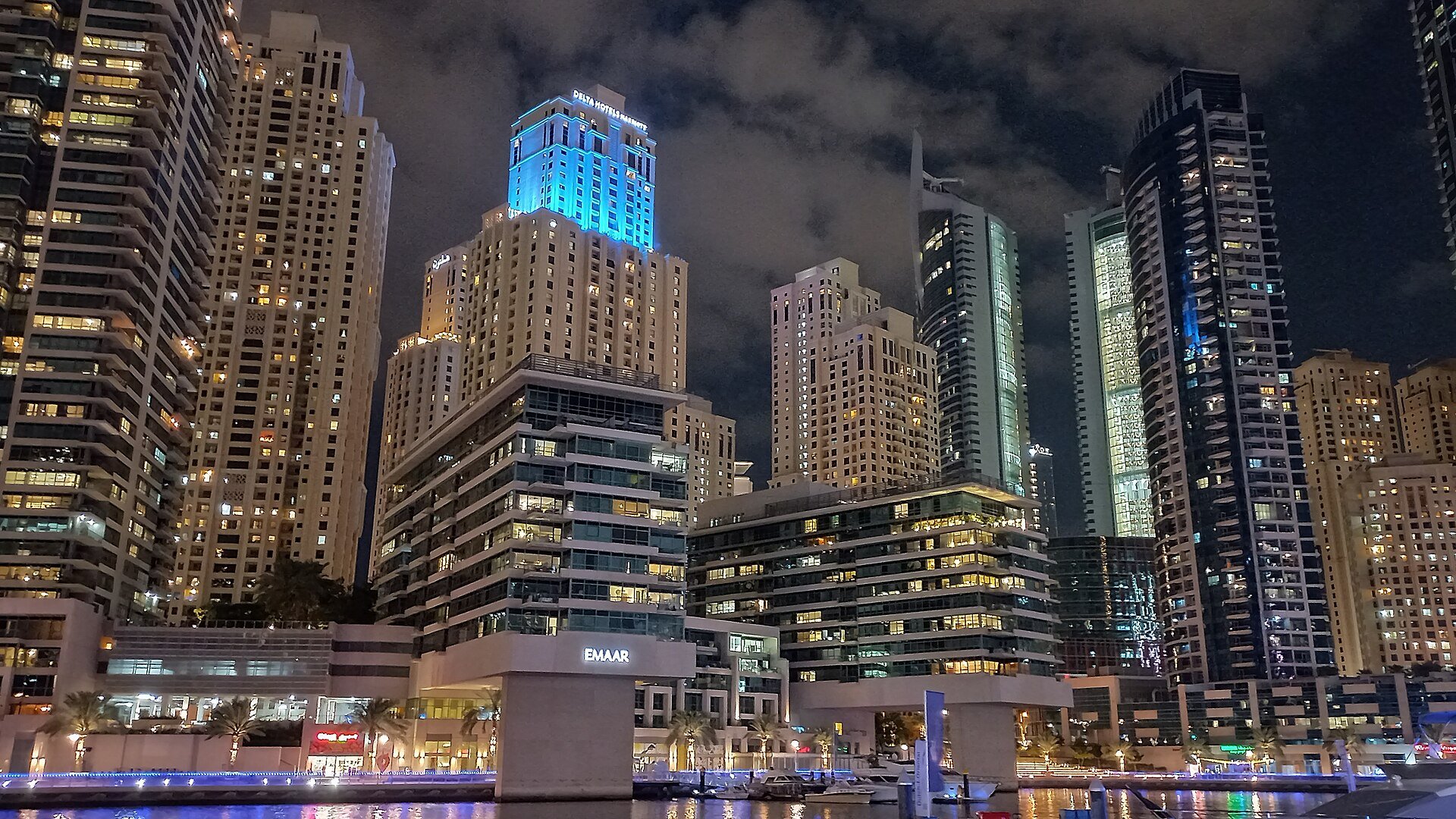
Dubai's best-known towers are feats of engineering and design, shaped by ambition and by the desert climate. Their forms — twisting, tapering, or sail-like — are not just decorative; they respond to wind, sun, and the need for shade. Viewing them from different angles and at different times of day changes the experience entirely: a tower that looks sleek at noon can look dramatic at sunset. Observation decks and waterfront promenades offer some of the best vantage points.
Traditional and Cultural Architecture
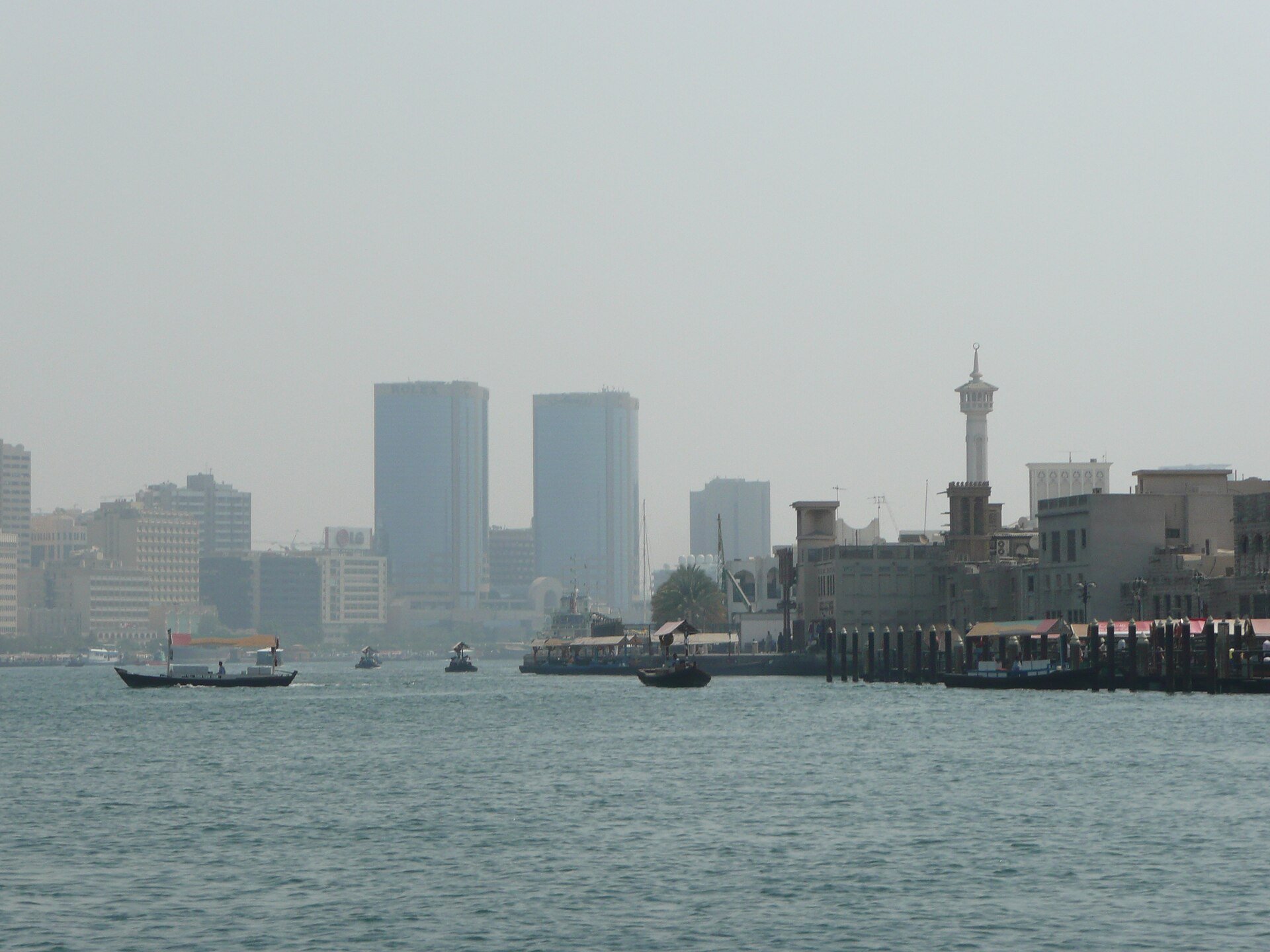
- Wind towers and courtyard houses in older districts, designed for natural cooling.
- Mosques and cultural buildings whose domes, minarets, and geometric patterns reflect Islamic design traditions.
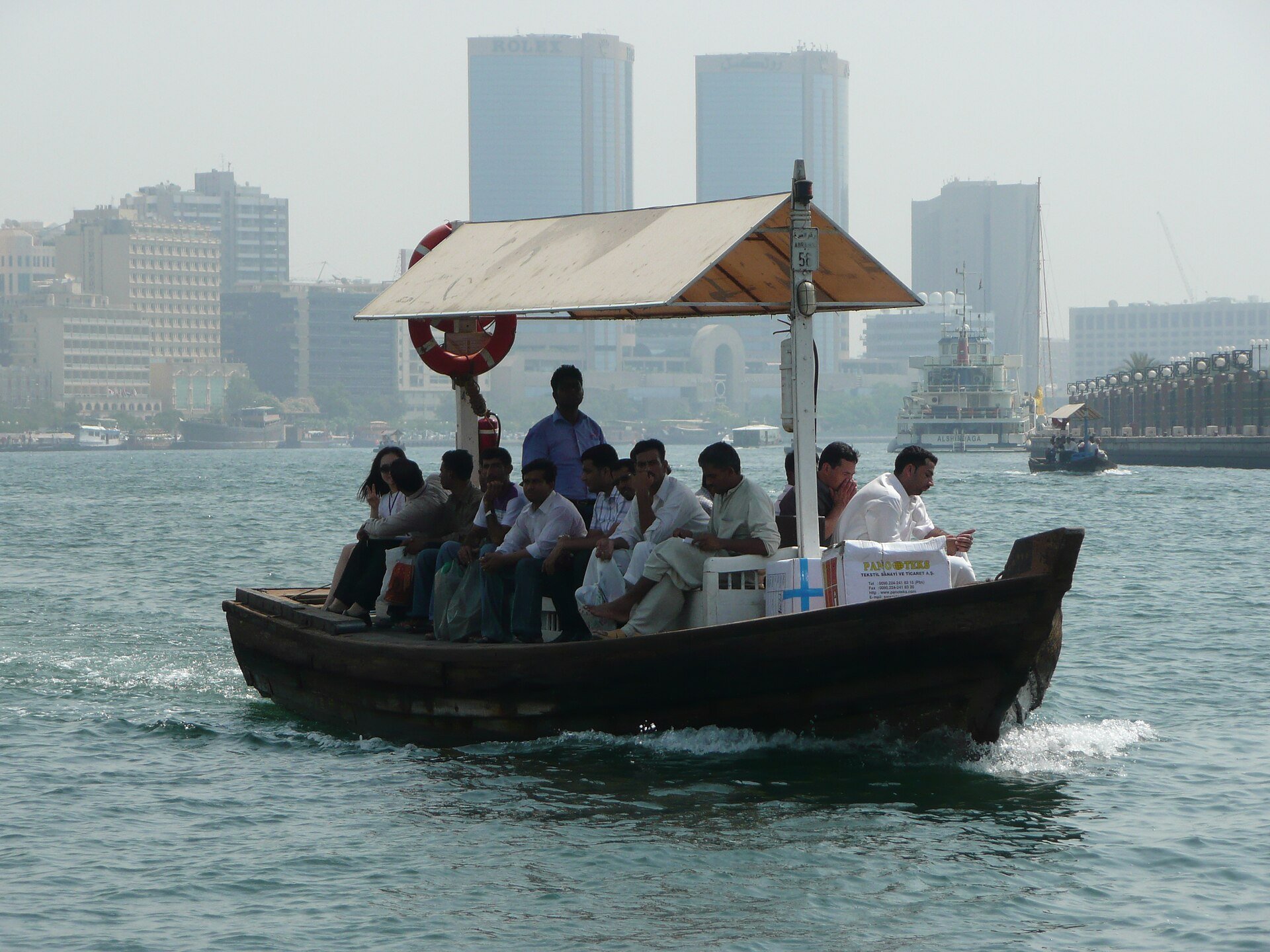
- Souks and waterfront structures that show how the trading port was built.
- Museums and cultural centres where architecture itself is part of the exhibit.
How to Enjoy It
You do not need to be an architecture expert to appreciate Dubai's buildings. Take a walking route that mixes old and new, so the contrast tells the story. Look at details as well as skylines: screens that filter sunlight, shaded walkways, and materials chosen for the climate. Visit in the early morning or late afternoon for the best light and photographs. And remember that many of Dubai's most interesting buildings are best appreciated from street level, where you can see how people actually use them. Architecture in Dubai is not a backdrop. It is a living record of the city's past, present, and ambitions for the future.