
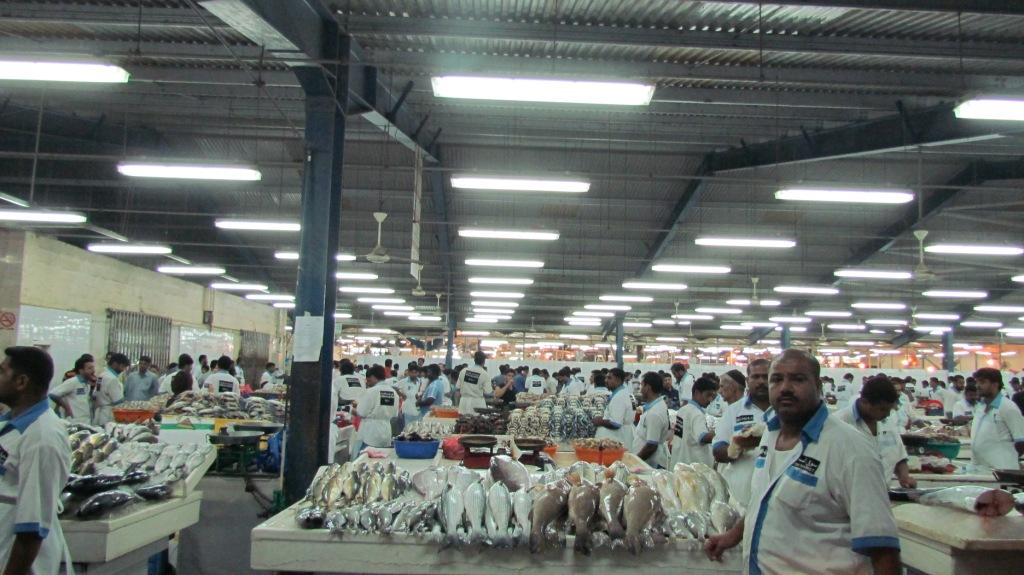
The fish market by the water in Deira is one of the most practical and memorable food trips in Dubai. Stallholders call out the morning’s catch, porters weave past with crates on ice, and the choice runs from everyday hammour and sheri to prawns, crabs, squid and seasonal fish many supermarket shoppers never see whole. It can look intense on a first visit, but the routine is simple once you know it: choose carefully, agree the price, get the fish cleaned, then either take it home or have it cooked nearby.
When to Go and What to Bring
Go early if you can. The best selection is usually in the morning, when boats and deliveries have come in and the counters are fullest, although the market trades through the day and an early evening visit can still work well for prawns and popular fish. Fridays and weekends are typically busier, with families buying for a big lunch.
Bring cash in smaller notes as well as a card, since payment habits vary by stall, plus a cool bag or box if you are travelling far across the city afterwards. Wear shoes that can handle wet floors. If you are driving, allow extra time for parking around the Baniyas Road area at peak times; many regulars combine the trip with the nearby souks.
Choosing Fish Without Guessing
Fresh fish should smell of the sea, not strongly fishy. Look for bright, clear eyes, red gills, firm flesh that springs back when pressed, and skin that looks moist rather than dried at the edges. Whole fish is easier to judge than fillets, which is one reason market regulars buy whole and ask for the cut they want.
- Ask what came in today and what is local; staff will usually point you to the best value.
- Hammour is prized but pricey, so compare with sheri, safi and other local fish before deciding.
- For prawns, look for firm shells and a clean smell, and decide whether you want them head-on.
- Buy by weight, and confirm whether the price is per kilo before the fish goes on the scale.
- If a fish looks right but is larger than you need, ask about smaller ones rather than settling.
Haggling here is normal but should stay friendly and brief. Compare two or three stalls for the same fish, name a fair price, and be ready to buy when the seller agrees. Walking away mid-deal or handling fish you do not intend to buy quickly wears out goodwill.
Cleaning, Cutting and the Porter System
Once you have bought, your fish does not go straight into a bag. Porters and cleaning counters handle the messy part: scaling, gutting, trimming and cutting into steaks, fillets or a butterflied whole fish for grilling. Tell them exactly how you plan to cook it, because a fish for curry, one for the oven and one for the barbecue should not be cut the same way.
Keep your receipt or token, watch which counter your fish goes to, and agree any small cleaning charge in advance. It is typically a modest amount relative to the fish itself. Check the cleaned result before you leave the counter, while a missing fillet or wrong cut can still be sorted out on the spot.
Getting It Cooked Nearby
The part visitors love most is that you may not need to cook at all. Restaurants and grills around the market area will often cook seafood you have bought, for a cooking charge, seasoned simply with spices, grilled, fried or served with rice. This is ideal if your kitchen is small, you dislike the lingering smell of fried fish at home, or you want to eat hammour or prawns at their freshest with bread, salads and sauces done for you.
Agree the style, spice level and total cooking cost before handing the fish over, and ask roughly how long it will take. At busy times there can be a wait, so order drinks and starters and enjoy watching Deira go by. If you are taking fish home instead, get it on ice, go straight home, and cook shellfish the same day.
Done once, the market stops feeling daunting and starts feeling like a shortcut: better fish, honest prices and lunch cooked for you, all in one trip.