

Coffee Subscriptions in Dubai: Beans Delivered From Local Roasters — it is one of those Dubai topics that sounds simple until you are standing in the middle of it, paperwork in hand, wondering what the actual order of operations is. This guide gives you the resident’s version: how it works in practice, what it connects to, and the order to do things in so you only do them once.
Coffee by subscription
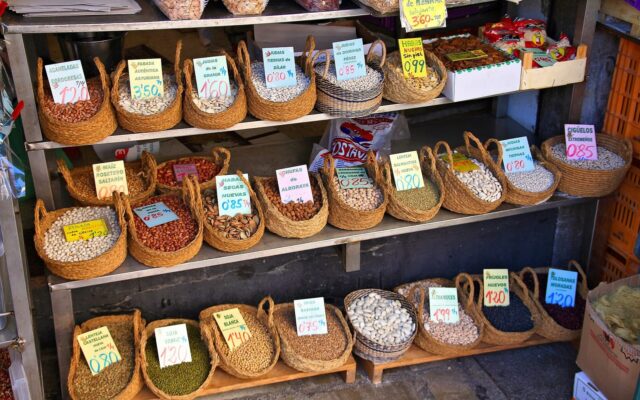
Dubai’s roastery scene (a generation of speciality roasters across Al Quoz and beyond) sells subscriptions: beans by frequency, grind and rotation, delivered across the city. The resident’s method: start with a roaster’s mixed rotation to learn your palate, then settle to two staples; manage the summer problem (beans and heat — small, frequent deliveries beat a monthly kilo sweating in a mailbox); and align the subscription with your brewing kit — espresso drinkers should ask the roaster for the beans they serve in their own café. Pause options matter more than discounts for a city that travels.
The Dubai food context
Dubai’s food culture is a trading city’s culture: the souks and old districts hold the foundations, the malls and hotels hold the polish, and the delivery apps hold the weeknights together. Food safety is municipality-regulated and visible — hygiene ratings are displayed and the system is enforced — and the calendar (Ramadan, the winter market season, the summer retreat indoors) shapes what eating well means month by month.
The resident’s skill taught across these guides is reading the city by appetite: which district cooks what for whom, when to travel for the real thing, and when the place around the corner is quietly the best option.
📸 Follow @dxbtalkofficial on Instagram for daily Dubai in photos →
Timing: when to do what
Timing shapes outcomes here more than most cities. The working week runs Monday to Friday, government counters are calmest early in the morning, and the calendar bends around Ramadan (shorter official hours, slower processing, evenings that come alive) and the summer months, when decision-makers travel and some processes stretch. School, tenancy and visa cycles interlock: a September school start implies a spring application, a summer tenancy signing and documents attested before either.
Plan backwards from the date that cannot move — the lease start, the school term, the visa expiry — and put your own deadlines a fortnight ahead of the official ones. The residents who glide through Dubai’s systems are not better connected; they are simply earlier.
A realistic timeline
Set expectations in weeks, not days. The straightforward version of this process, with documents ready, typically completes in a few working days of actual processing spread across one to three weeks of appointments, approvals and deliveries. The complicated version — a document to attest, a record to correct, a counter that needs a second visit — doubles that, and it is still normal.
The timeline you control is your own preparation: documents gathered, forms understood, fees budgeted, appointments booked at the calm end of the day. Residents who prepare experience Dubai’s systems as impressively efficient; residents who improvise experience the same systems as a maze. The difference is rarely the system.
If your situation is not standard
Guides describe the standard case; lives are not standard. A second nationality, a previous overstay, a child with additional needs, a business with an unusual structure — any of these routes you to the discretionary, in-person version of the process. That is not a failure of the system: the service centres exist precisely for the files that do not fit the app. Go early, take everything, explain once and clearly, and let the officer tell you the route rather than guessing it from forums.
What has changed recently
Dubai’s systems are revised constantly — fees, channels, even whole authorities get restructured, and processes that lived at a counter last year live in an app this year. Treat every guide, including this one, as a map that needs a final check against the live territory: the authority’s current page, the app as it stands today. The residents who never get caught out are the ones who verify the last step, every time, even when they have done it before.
One more thing residents learn
Experience adds a footnote to almost every Dubai system: the second time you do this, it takes half the time and a quarter of the stress. The learning curve is the real cost of the first attempt, which is why residents swap notes so freely — in the community groups, at the school gate, in the queue itself. Ask the person who did it last month, and offer your own notes when you are the one who has done it. The city’s informal knowledge network is one of its genuine infrastructures.
Common questions
Who checks restaurant hygiene in Dubai?
Dubai Municipality’s food safety system inspects and rates establishments; ratings are displayed on premises and the municipality’s channels handle food complaints.
The bottom line
None of this needs to be stressful. life in Dubai rewards the same three habits as everything else in Dubai: start earlier than feels necessary, keep every reference number, and verify the final step on the official channel. Do that, and consider it handled — and keep dxbtalk.com bookmarked for the next system you meet.