
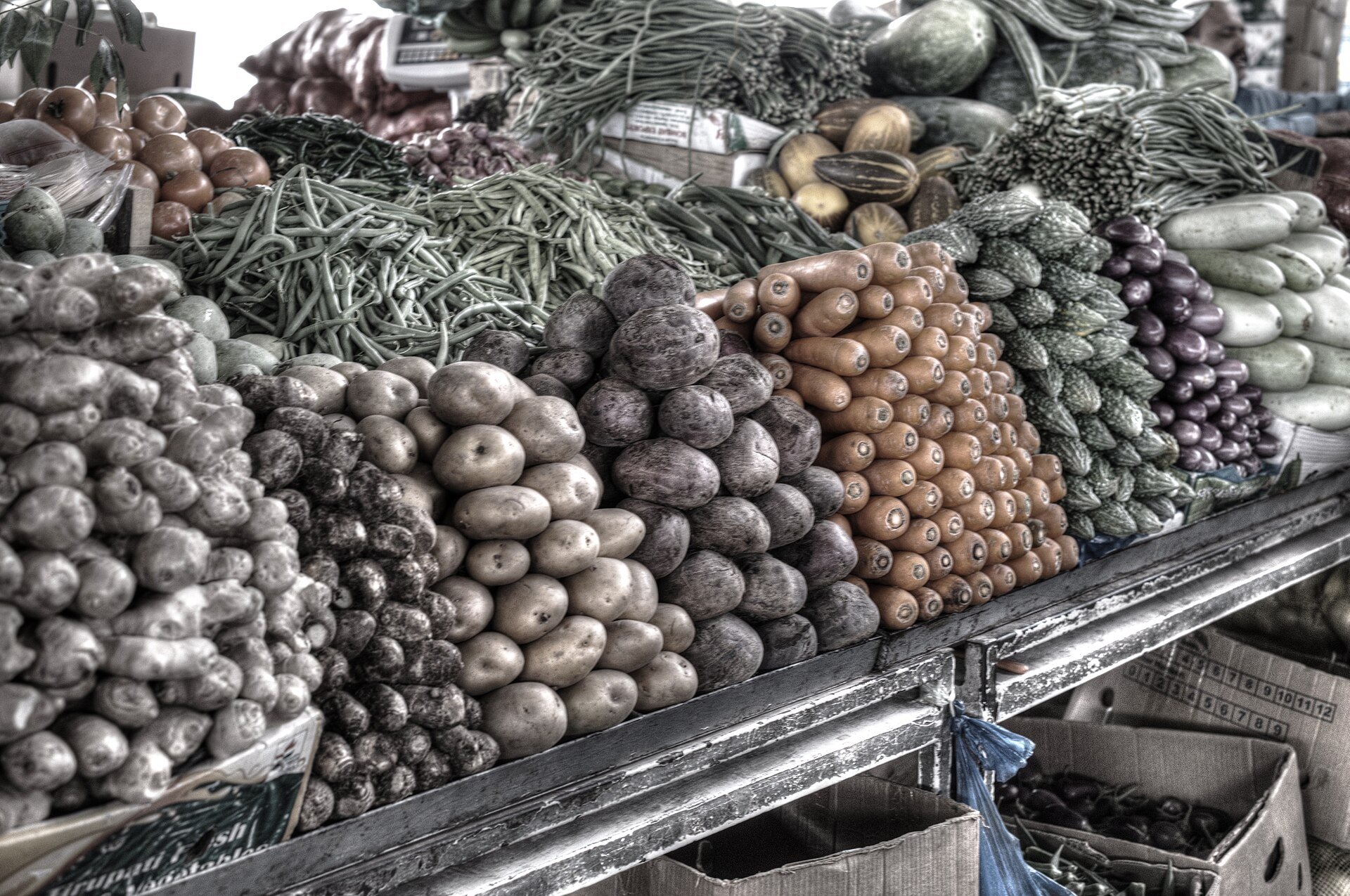
If you usually buy fruit and vegetables in a supermarket, a trip to one of Dubai’s large produce markets can be an eye-opener. You will find bigger choice, fresher stock that has often arrived overnight, and prices that can be noticeably lower, especially if you buy by the box or in larger quantities. For families, shared flats and anyone who cooks a lot at home, learning how these markets work is one of the simplest ways to cut the weekly food bill without cutting quality.
The Main Markets Worth Knowing
The best known wholesale hub is the Fruit and Vegetable Market in Ras Al Khor, often called the Al Aweer market. Traders there supply many smaller shops and restaurants, but individual shoppers are welcome too. You will see rows of stalls and warehouses stacked with local and imported produce, from Emirati and regional vegetables to fruit flown in from across Asia, Africa and Europe.
Closer to Deira, the Waterfront Market combines fruit and vegetables with fish, meat and dry goods under one roof, which makes it handy for a single big shop. Neighbourhood markets and smaller municipal markets across the city offer a middle ground, with less walking and easier parking than the wholesale sites, but slightly less bulk discount. Dubai Municipality oversees many of these markets, so check its official channels for current locations, opening arrangements and any seasonal changes before you travel.
- Wholesale markets: Best for bulk buying, boxes and the widest choice
- Waterfront and central markets: Good for combining produce with fish and meat
- Neighbourhood markets: Easier for a quick weekly top-up
- Supermarket offers: Still worth comparing for small quantities and convenience
Why Early Morning Matters
Serious buyers go early. Deliveries arrive through the night, traders sort stock before dawn, and the freshest produce is on display first thing in the morning. Arriving early also means cooler temperatures if you are walking between outdoor stalls, shorter queues, and a better chance of finding popular items before they sell out.
By late morning on weekends the markets can become busy, and parking fills quickly. On weekdays, mid-morning can be a good compromise if you cannot face a very early start, as traders are still well stocked but the first rush has passed. Opening hours can vary by market and by season, including during Ramadan and public holidays, so confirm the current times on the market’s or Dubai Municipality’s official information before setting an alarm.
How Wholesale Pricing Works
Prices are often quoted by the box, crate or kilogram, and the unit price usually falls as quantity rises. That is great if you can split a box with friends or neighbours, freeze what you can, or plan meals around what you bought. For a single small household, a whole box of mangoes or tomatoes may be false economy if half of it spoils.
Polite bargaining is normal in many stalls, especially for larger purchases, but keep it friendly and realistic. Compare two or three traders before you commit, check the quality underneath the top layer of a box, and confirm whether the price is per kilo or per box. Prices change with season, supply and import costs, so any figure you hear from friends should be treated as approximate only. What was cheap last month may be dearer today, and the opposite is just as true.
- Ask the unit clearly: per kilo, per piece or per box
- Inspect produce for ripeness, bruising and freshness
- Agree the final price before the trader packs your bag
- Bring small notes and coins to make payment quicker
Practical Tips for a Better Trip
Go with a list, but stay flexible. If a vegetable is abundant and cheap that day, build a couple of meals around it instead of paying more for something out of season. Bring reusable bags or a trolley, as boxes are heavy and distances inside wholesale markets are longer than they look. Wear closed shoes, carry water, and in summer plan to get your shopping into a cool car quickly.
At home, sort everything straight away. Use delicate items first, store leafy greens properly, and freeze or cook surplus produce into soups and sauces rather than letting it go to waste. With a little practice, market shopping becomes a routine: earlier, cheaper and often more enjoyable than a standard supermarket run, with the added bonus of discovering fruit and vegetables you may never have tried before.