
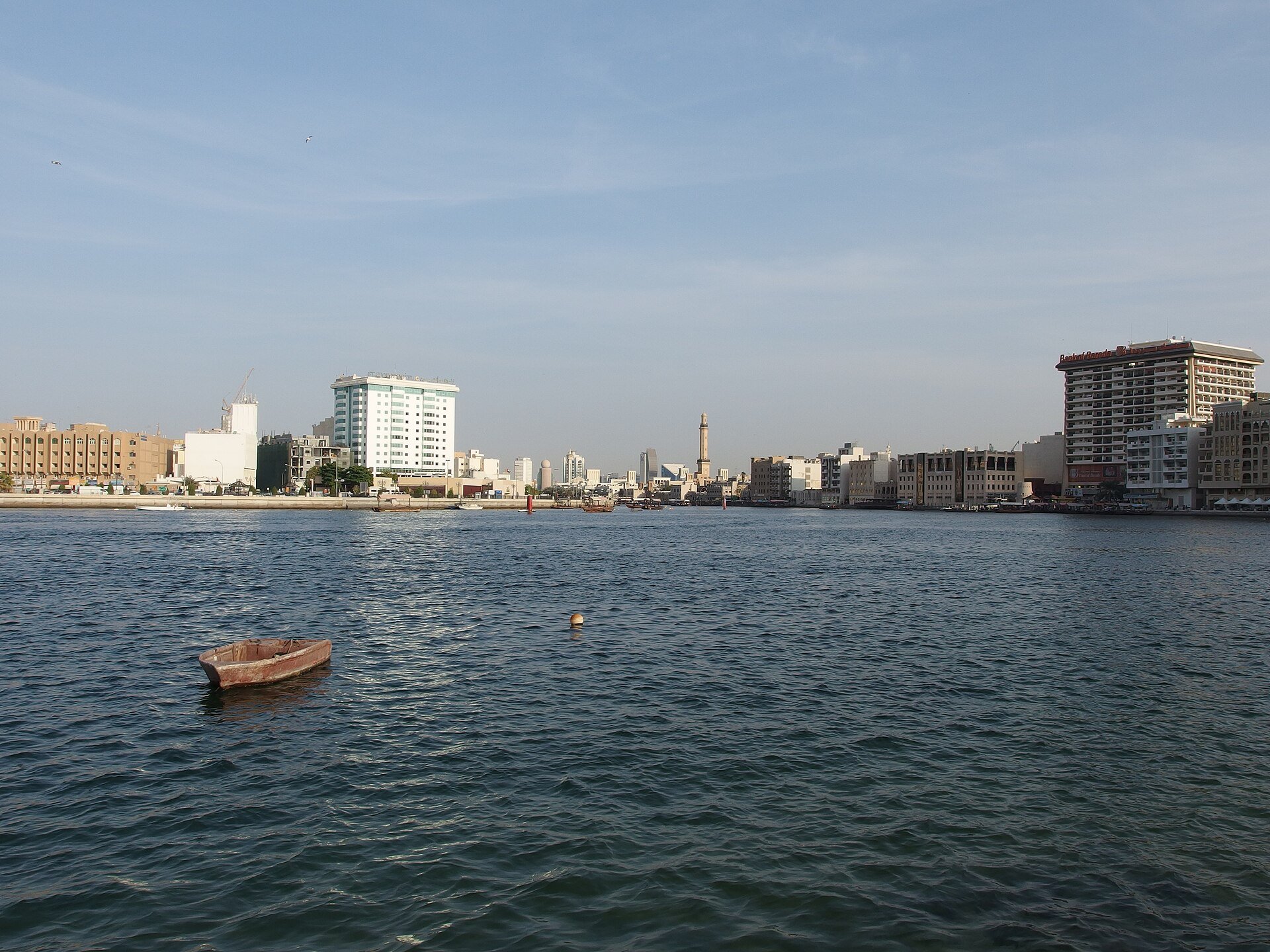
Before the towers and malls, Dubai was a trading and pearl diving port on the Creek. For generations, divers sailed out for months at a time to bring up oysters from the Gulf, while merchants, boat builders, and families on shore built a town around that hard and risky trade. For history lovers, exploring the heritage sites linked to pearl diving and taking a traditional dhow cruise is one of the most rewarding ways to understand how the city began.
Why Pearl Diving Shaped Old Dubai
Pearling was central to the economy of the coast long before oil. During the summer diving season, fleets of wooden dhows left for the oyster beds. Divers made repeated free dives, wearing a nose clip and carrying a basket for oysters, while crew hauled them back up by rope. The work was dangerous and poorly rewarded for many divers, even though fine pearls could be very valuable to traders.
Heritage Places to Visit on Land
Start around Dubai Creek in Bur Dubai and Deira, where the oldest neighbourhoods are easiest to explore on foot in cooler weather or early in the morning.
- Al Fahidi Historical Neighbourhood: narrow lanes, wind-tower houses, and small museums and cultural houses that explain traditional life, trade, and crafts
- Historic sites and museums promoted by Dubai Culture: displays that have covered maritime and pearling life; check what is open before you go, as displays and venues change
- The Creek souks in Deira: gold, spice, and textile souks where the trading atmosphere of the old port is still easy to imagine
- Shindagha historic district: restored houses and museum spaces along the Creek linked to Dubai’s ruling family and its seafaring and pearling heritage
- Heritage houses and majlis buildings: traditional rooms, photographs, and tools that show how merchants lived and did business
Dubai Culture and Arts Authority is the official body for many heritage sites and museums in the emirate, and Visit Dubai lists current visitor information. Opening hours, ticketing, and closures change, so confirm details from official sources on the day you plan to visit rather than relying on old reviews.
See the Tools and Stories of the Divers
When you visit a museum or heritage house, look out for the smaller objects of the trade. Diving weights, nose clips, oyster knives, sieves used to sort pearls by size, merchants’ scales and chests, and photographs of dhow crews tell the story more clearly than a single large display.
Taking a Dhow Cruise With History in Mind
The simplest traditional boat on the Creek is the abra, the small wooden ferry that carries passengers across the water for a small, approximate fare that has long been very low by Dubai standards. Confirm the current fare at the station. A short abra crossing gives you the view traders would have known: dhows loading cargo, souks on one bank, and old warehouses on the other.
Longer dhow cruises usually run along the Creek or from Dubai Marina, often with dinner. For history lovers, a Creek cruise is the better choice. You will pass the historic districts, traditional dhows still used for trade, and the souks, ideally with commentary that explains what you are seeing. Dinner cruises vary in quality and price, with tickets typically sold at an approximate per-person rate depending on the operator, season, and what is included, so compare what is offered before booking.
Ask a few questions before you pay:
- Does the route stay on the Creek, and is commentary included?
- How long is the cruise, where does it board, and what time should we arrive?
- Is food included, and can dietary needs be catered for?
- Is the boat a traditional wooden dhow or a modern vessel styled to look like one?
Plan a Half-Day Heritage Itinerary
Combine land and water in one visit. Start early in Al Fahidi, visit a museum or heritage house, walk to the Creek, cross by abra to Deira for the souks, and finish with a late afternoon or evening dhow cruise when the light is softer. Wear comfortable shoes, carry water, and allow time simply to sit by the Creek and watch the boats. That working waterway, more than any single exhibit, is the living link to Dubai’s pearl diving past.