

Ask ten Dubai residents about daily life in DIFC and you will get ten confident answers, at least four of which are out of date. This guide sticks to how things work now: the systems involved, the steps in their real order, and the details that decide whether it goes smoothly or becomes a story you tell at dinner.
Making the choice
Rank your own criteria in writing before viewing — commute, quiet, walkability, school distance, community facilities — then score each DIFC option against them the same day. Dubai’s rental market punishes dithering at the good end and rewards the prepared tenant who can sign with documents ready. The best street is the one where your ordinary Tuesday works; optimise for Tuesday, not for the dinner-party Saturday.
If two options tie, take the one with the better landlord or management record. In DIFC, as everywhere in Dubai, the responsive landlord is the amenity that never appears in the listing.
Reading DIFC street by street
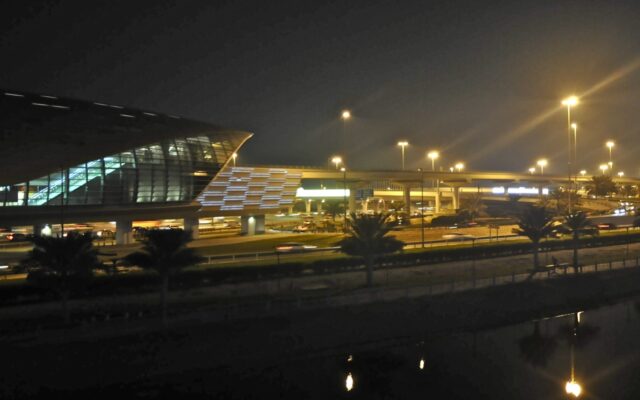
DIFC is the financial district of office towers, art galleries and fine dining arranged around the Gate Building. Within any Dubai district, value and liveability change street by street: the block near the retail cluster trades quiet for convenience, the interior streets win on calm but add a drive for coffee, and the ‘best’ address is usually the one that fits your specific weekday. This guide gives you the framework residents use to judge streets in DIFC rather than pretending one ranking fits everyone.
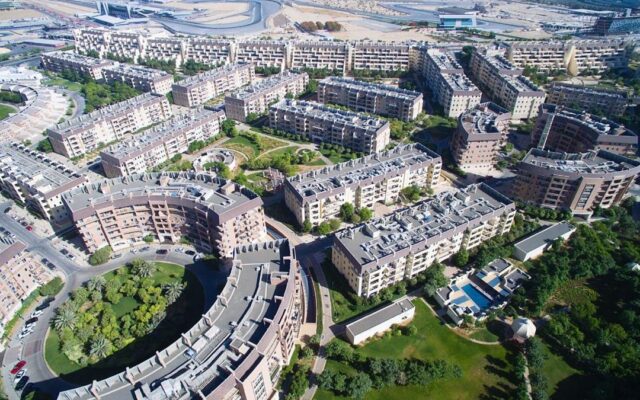
For tower districts, ‘street’ translates to building: age, maintenance record, chiller arrangements, lift count per floor, and the management company’s reputation decide daily life more than the view. For villa districts, it is the specific street’s parking pressure, construction activity and distance to the community gate and shops.
📸 Follow @dxbtalk1 on Instagram for daily Dubai in photos →
Documents and preparation
Dubai runs on a short list of documents that recur everywhere: passport, Emirates ID, tenancy contract and Ejari where housing is involved, salary or income evidence where money is involved, and photographs in the current specification. For anything under this guide’s topic, assemble your set before you start — originals for in-person steps, clean scans on your phone for everything else.
Attestation is the preparation step newcomers underestimate: documents issued abroad (degrees, marriage and birth certificates above all) often need the attestation chain — home authority, UAE embassy, UAE foreign affairs — before a Dubai process will accept them. If your situation touches any of those, start that chain first; it is the longest pole in almost every tent.
How this connects to the rest of Dubai life
Nothing in this guide sits alone. daily life in DIFC touches your housing, your banking, your children’s schooling or your employer’s paperwork — usually two of those at once. That is why the sequencing advice in these guides keeps repeating: identity and residency first, then the tenancy and utility chain, then the money systems, then the lifestyle layer. Each completed layer makes the next one a formality.
It is also why small administrative untidiness compounds: an out-of-date phone number on your ID record blocks a bank OTP, which blocks a payment, which blocks a renewal. Keep the foundations current — ID, number, address records, document scans — and the whole city’s machinery stays oiled on your behalf.
What to check on the ground
Walk candidate streets in DIFC at three times: morning school-run, evening peak, and a weekend afternoon. You are listening for traffic and construction, watching parking behaviour, and noting shade and pavement quality for walking. Check mobile signal and the building’s internet provider while you are there — both are address-specific in Dubai and hard to change later.
Ask the security staff and shopkeepers; they know which buildings flood the group chats with complaints and which streets flood literally in the rare heavy rain. One visit after rain (or asking about the last big rain) tells you more about drainage than any brochure.
Common questions
Can I do most of this online?
Mostly, yes — Dubai has moved the majority of resident transactions into official apps and portals. The steps that still need your presence are usually biometrics, medicals, signatures and original-document sighting. Start online, and attend in person only for the step that requires your body.
Where do residents get reliable local detail?
Community groups for your district, school or workplace hold the lived detail — which branch is quick, what the process felt like last month. Combine that texture with the official source for the rule itself, and you have the full picture.
What is the most common mistake?
Acting on out-of-date advice. Systems here change yearly; a friend’s experience from a previous contract or a previous visa is a starting point, not a rule. The second most common mistake is paying an intermediary for a step the official app handles directly.
Where do residents get reliable local detail?
Community groups for your district, school or workplace hold the lived detail — which branch is quick, what the process felt like last month. Combine that texture with the official source for the rule itself, and you have the full picture.
The bottom line
Handled in the right order, daily life in DIFC is a solved problem — thousands of residents do it every month. Prepare the documents, use the official channels, keep your records, and it becomes one more piece of Dubai admin that quietly stays done. This guide is part of DXB Talk’s resident library at dxbtalk.com, where the guides interlock the way the systems do.