

This is a practical guide to daily life in DIFC — written for people who live here, not visitors passing through. It covers the systems you will deal with, the documents and decisions that matter, and the mistakes that cost residents time and money, in the order you will actually meet them.
Costs: how to think about the money
Resist any single quoted figure for daily life in DIFC — including from well-meaning friends. Costs here split into official fees (published, fixed, and worth checking on the authority’s own schedule rather than through an intermediary), market prices (negotiable, seasonal, and different by district), and the hidden third category: the cost of doing it in the wrong order, which usually arrives as a second fee, a second trip or a second deposit.
Build your budget from three live quotes wherever the market is involved, add a contingency you genuinely keep untouched, and treat ‘cheap’ offers that skip official steps as the most expensive option on the table. In Dubai the boring, receipted route is almost always the cheapest route by the end of the year.
How this connects to the rest of Dubai life
Nothing in this guide sits alone. daily life in DIFC touches your housing, your banking, your children’s schooling or your employer’s paperwork — usually two of those at once. That is why the sequencing advice in these guides keeps repeating: identity and residency first, then the tenancy and utility chain, then the money systems, then the lifestyle layer. Each completed layer makes the next one a formality.
It is also why small administrative untidiness compounds: an out-of-date phone number on your ID record blocks a bank OTP, which blocks a payment, which blocks a renewal. Keep the foundations current — ID, number, address records, document scans — and the whole city’s machinery stays oiled on your behalf.
📸 Follow @dxbtalk1 on Instagram for daily Dubai in photos →
How home maintenance works in DIFC
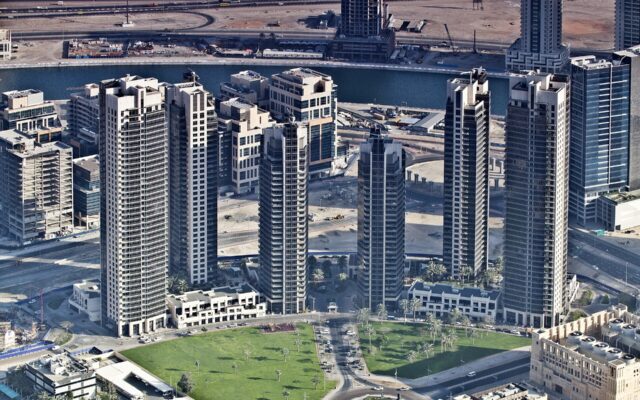
DIFC is the financial district of office towers, art galleries and fine dining arranged around the Gate Building. Maintenance splits by tenure: renters rely on the landlord’s obligations (major systems, structure) versus tenant responsibilities (consumables, minor wear) as written in the contract addendum; owners deal directly with building management (apartments) or their own contractors (villas). The practical Dubai system runs on annual maintenance contracts, on-demand handyman apps and building facilities teams — DIFC has all three within easy reach.
The golden rule: report problems in writing (email or the management app) with photos from day one. Verbal promises at viewing evaporate; a dated email thread is what the Rental Disputes Centre and every honest landlord respond to.
AC, plumbing and the recurring jobs
Air-conditioning is the headline system: in Dubai’s climate it needs servicing at least annually (twice for villas and heavy use) — filter cleaning, coil and drain checks, gas levels. Most ‘AC not cooling’ emergencies in DIFC trace to clogged filters or drains that a routine service would have caught in spring. Book services in March or April; by June every technician in the city is booked out and charging emergency rates.
The recurring tenant jobs: water heater elements and thermostats, silicone and grout in bathrooms, balcony door seals before the shamal dust, garden irrigation timers (villas), and pest control — cockroaches and ants are managed, not eliminated, with quarterly treatments in older buildings. Keep a simple home log: dates, company, cost, warranty. It pays for itself at deposit time.
One more thing residents learn
Experience adds a footnote to almost every Dubai system: the second time you do this, it takes half the time and a quarter of the stress. The learning curve is the real cost of the first attempt, which is why residents swap notes so freely — in the community groups, at the school gate, in the queue itself. Ask the person who did it last month, and offer your own notes when you are the one who has done it. The city’s informal knowledge network is one of its genuine infrastructures.
Common questions
What is the most common mistake?
Acting on out-of-date advice. Systems here change yearly; a friend’s experience from a previous contract or a previous visa is a starting point, not a rule. The second most common mistake is paying an intermediary for a step the official app handles directly.
Where can I double-check the current rules?
On the official channel for the authority involved — its website, app or service centre — because fees, hours and procedures for daily life in DIFC are updated by official decision and summaries like this one age. Verify the step you are about to pay for, on the day you pay for it.
What is the most common mistake?
Acting on out-of-date advice. Systems here change yearly; a friend’s experience from a previous contract or a previous visa is a starting point, not a rule. The second most common mistake is paying an intermediary for a step the official app handles directly.
Where do residents get reliable local detail?
Community groups for your district, school or workplace hold the lived detail — which branch is quick, what the process felt like last month. Combine that texture with the official source for the rule itself, and you have the full picture.
The bottom line
Handled in the right order, daily life in DIFC is a solved problem — thousands of residents do it every month. Prepare the documents, use the official channels, keep your records, and it becomes one more piece of Dubai admin that quietly stays done. This guide is part of DXB Talk’s resident library at dxbtalk.com, where the guides interlock the way the systems do.