
Street Food in Al Nahda: Cheap Eats Guide — it is one of those Dubai topics that sounds simple until you are standing in the middle of it, paperwork in hand, wondering what the actual order of operations is. This guide gives you the resident’s version: how it works in practice, what it connects to, and the order to do things in so you only do them once.
Cheap eats culture in Al Nahda
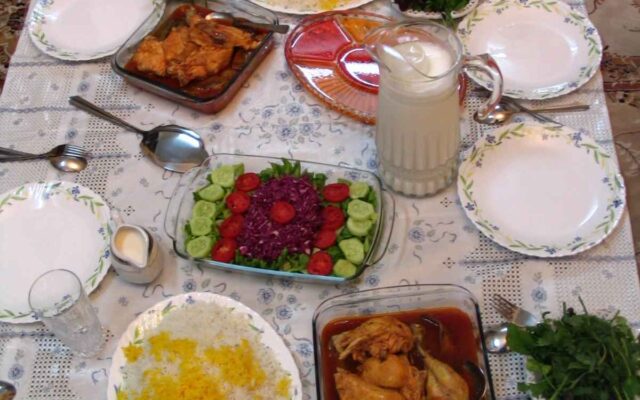
Al Nahda is a dense apartment district on the Sharjah border, popular with commuters for its larger flats. Dubai’s cheap-eats scene is one of its great equalisers: cafeterias serving karak chai and paratha, shawarma stands, South Indian mess-style restaurants, Filipino bakeries, Pakistani barbecue and Afghan kebab houses — many feeding you well for the price of a coffee elsewhere. In Al Nahda, the best value concentrates where workers and long-term residents eat, not where the décor budget went.
The cafeteria is the institution to understand first: order at the counter, expect plastic chairs and serious cooking, and try the items the regulars order rather than the full menu. Shawarma quality is judged locally by the queue at the spit around 8pm — join the longest one.
Hygiene, timing and etiquette
Dubai’s food control is strict and cheap does not mean risky: look for the municipality hygiene rating displayed in most establishments and trust turnover — a busy cafeteria cycles food fast. Peak hours are lunch (12-2) and after 8pm; Ramadan flips the day, with cafeterias at their best in the hour after iftar and some closed until evening.
Carry small cash for the smallest places even though most take cards, tip modestly in cash, and do not photograph staff or other diners without asking. Delivery apps list many Al Nahda cafeterias too, but the food travels badly compared with eating at the counter — cheap eats are a go-there pleasure.
📸 Follow @dxbtalk on Instagram for daily Dubai in photos →
Step by step: getting this right
Work through it in this order. First, gather the facts that apply to you — your documents, your dates and your budget — because almost every wrong turn in Dubai comes from acting on general advice before checking your own position. Second, use the official channel for anything with a fee or a legal effect: the authority’s app or portal, or the service centre that handles it in person.
Third, keep a record of every step: reference numbers, receipts, screenshots and the names of counters you visited. Dubai’s systems are joined up enough that a reference number from one step unlocks the next, and fragmented enough that you will be asked for it. Residents who keep a simple folder — phone scans plus one physical file — move through this city noticeably faster than those who rely on memory.
Documents and preparation
Dubai runs on a short list of documents that recur everywhere: passport, Emirates ID, tenancy contract and Ejari where housing is involved, salary or income evidence where money is involved, and photographs in the current specification. For anything under this guide’s topic, assemble your set before you start — originals for in-person steps, clean scans on your phone for everything else.
Attestation is the preparation step newcomers underestimate: documents issued abroad (degrees, marriage and birth certificates above all) often need the attestation chain — home authority, UAE embassy, UAE foreign affairs — before a Dubai process will accept them. If your situation touches any of those, start that chain first; it is the longest pole in almost every tent.
What has changed recently
Dubai’s systems are revised constantly — fees, channels, even whole authorities get restructured, and processes that lived at a counter last year live in an app this year. Treat every guide, including this one, as a map that needs a final check against the live territory: the authority’s current page, the app as it stands today. The residents who never get caught out are the ones who verify the last step, every time, even when they have done it before.
Common questions
Where can I double-check the current rules?
On the official channel for the authority involved — its website, app or service centre — because fees, hours and procedures for daily life in Al Nahda are updated by official decision and summaries like this one age. Verify the step you are about to pay for, on the day you pay for it.
What is the most common mistake?
Acting on out-of-date advice. Systems here change yearly; a friend’s experience from a previous contract or a previous visa is a starting point, not a rule. The second most common mistake is paying an intermediary for a step the official app handles directly.
What is the most common mistake?
Acting on out-of-date advice. Systems here change yearly; a friend’s experience from a previous contract or a previous visa is a starting point, not a rule. The second most common mistake is paying an intermediary for a step the official app handles directly.
Where do residents get reliable local detail?
Community groups for your district, school or workplace hold the lived detail — which branch is quick, what the process felt like last month. Combine that texture with the official source for the rule itself, and you have the full picture.
The bottom line
The pattern underneath daily life in Al Nahda is the pattern underneath most of Dubai life: the systems work, the paperwork is the price, and preparation is the discount. Do it once, properly, and you join the residents who find this city easy. More step-by-step resident guides live at dxbtalk.com.