Ask ten Dubai residents about Egyptian food in DIFC and you will get ten confident answers, at least four of which are out of date. This guide sticks to how things work now: the systems involved, the steps in their real order, and the details that decide whether it goes smoothly or becomes a story you tell at dinner.
What to order
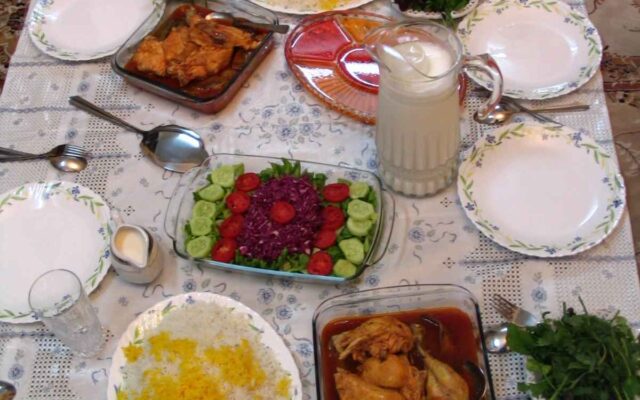
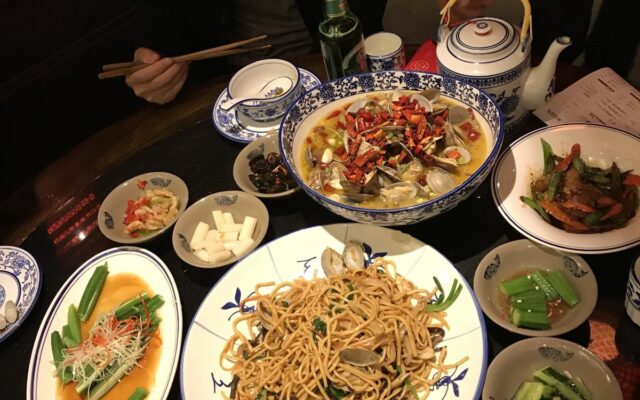
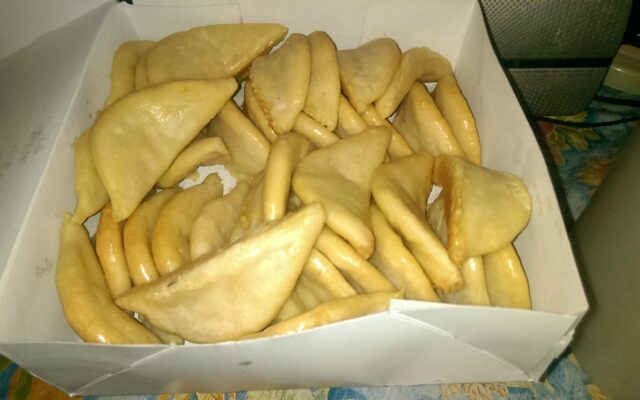
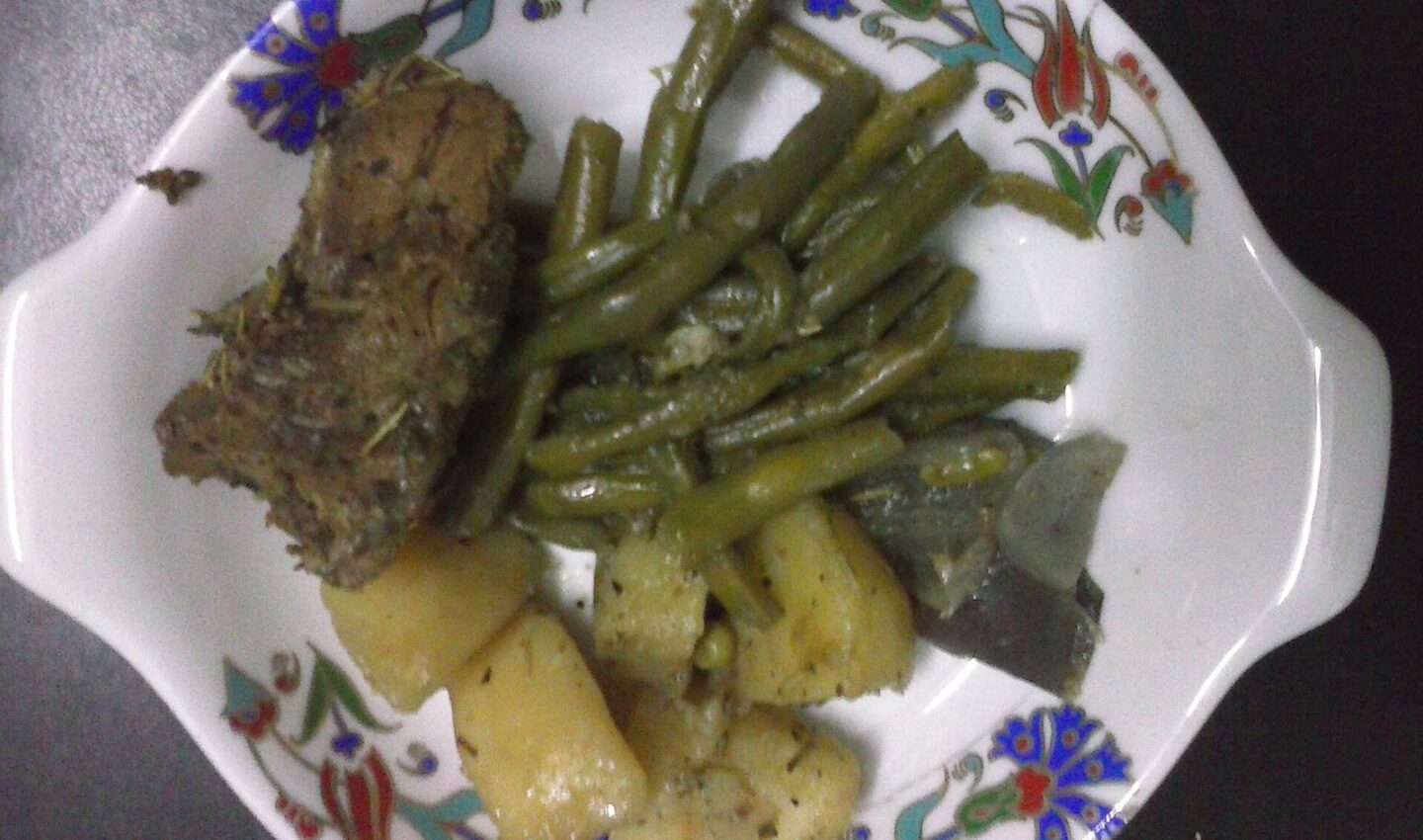
The essential Egyptian order is koshari, ful and ta’meya, mahshi, grilled meats and molokhia. First visit strategy: one signature dish, one grill or main the table shares, bread or rice as the kitchen intends, and the drink or dessert the cuisine is known for. Regulars at DIFC’s better Egyptian places order narrowly and often — the tenth visit is when the kitchen sends out the thing that is not on the menu.
If you are new to Egyptian food, say so and ask what the staff eat. In Dubai’s community restaurants that question is received as respect, and the answer is usually the best plate in the house.
Finding the good places (and the groceries)
Discovery in DIFC runs on community groups, delivery-app ratings read skeptically (look at review counts and the complaints’ themes), and the lunchtime queue test. For cooking at home, the ingredients for Egyptian dishes live in the ethnic grocers and the big chains’ international aisles; the specialist shops cluster in the districts where the community settled first — worth a monthly stock-up trip from DIFC.
Prices separate into three bands: cafeteria-level (feed a family for the cost of one mall meal), mid-range family restaurants, and the polished places in hotels and premium districts. Egyptian food is one of Dubai’s reliable pleasures at the first two bands — you rarely need the third for a satisfying meal.
📸 Follow @dxbtalkofficial on Instagram for daily Dubai in photos →
What Egyptian food means in DIFC
Egyptian spots serve the city’s best-value comfort food, and koshari counters have a devoted following. In DIFC — the financial district of office towers, art galleries and fine dining arranged around the Gate Building — the Egyptian options sit inside that landscape: a few dedicated restaurants, counters inside food courts and cafeterias, and delivery coverage that is usually wider than the physical map suggests. Judge a place the resident way: who is eating there, and whether the kitchen’s own community trusts it.
The honest pattern for Egyptian food in Dubai is that quality follows community. Where the cuisine’s own people live and work, the restaurants cook for them; the further from that base, the more the menu adapts to everyone. DIFC gives you its version — this guide helps you find the best of it.
A realistic timeline
Set expectations in weeks, not days. The straightforward version of this process, with documents ready, typically completes in a few working days of actual processing spread across one to three weeks of appointments, approvals and deliveries. The complicated version — a document to attest, a record to correct, a counter that needs a second visit — doubles that, and it is still normal.
The timeline you control is your own preparation: documents gathered, forms understood, fees budgeted, appointments booked at the calm end of the day. Residents who prepare experience Dubai’s systems as impressively efficient; residents who improvise experience the same systems as a maze. The difference is rarely the system.
The seasonal angle
Almost everything in Dubai has a season. Summer compresses life indoors and slows some official processes as people travel; the winter months crowd the diaries, the roads and the appointment systems; Ramadan reshapes working hours and the rhythm of the day itself. Where timing is yours to choose, choose deliberately: the same task can be a calm errand in one month and a campaign in another, purely because of when the whole city is trying to do it too.
Common questions
Where can I double-check the current rules?
On the official channel for the authority involved — its website, app or service centre — because fees, hours and procedures for Egyptian food in DIFC are updated by official decision and summaries like this one age. Verify the step you are about to pay for, on the day you pay for it.
What is the most common mistake?
Acting on out-of-date advice. Systems here change yearly; a friend’s experience from a previous contract or a previous visa is a starting point, not a rule. The second most common mistake is paying an intermediary for a step the official app handles directly.
Is this cuisine easy to find elsewhere in Dubai too?
Dubai’s size works in the diner’s favour: most cuisines in this guide exist in several districts, but the atmosphere, price point and audience differ by area — which is exactly why the pairing in the title matters more than the cuisine alone.
Can I do most of this online?
Mostly, yes — Dubai has moved the majority of resident transactions into official apps and portals. The steps that still need your presence are usually biometrics, medicals, signatures and original-document sighting. Start online, and attend in person only for the step that requires your body.
The bottom line
The pattern underneath Egyptian food in DIFC is the pattern underneath most of Dubai life: the systems work, the paperwork is the price, and preparation is the discount. Do it once, properly, and you join the residents who find this city easy. More step-by-step resident guides live at dxbtalk.com.