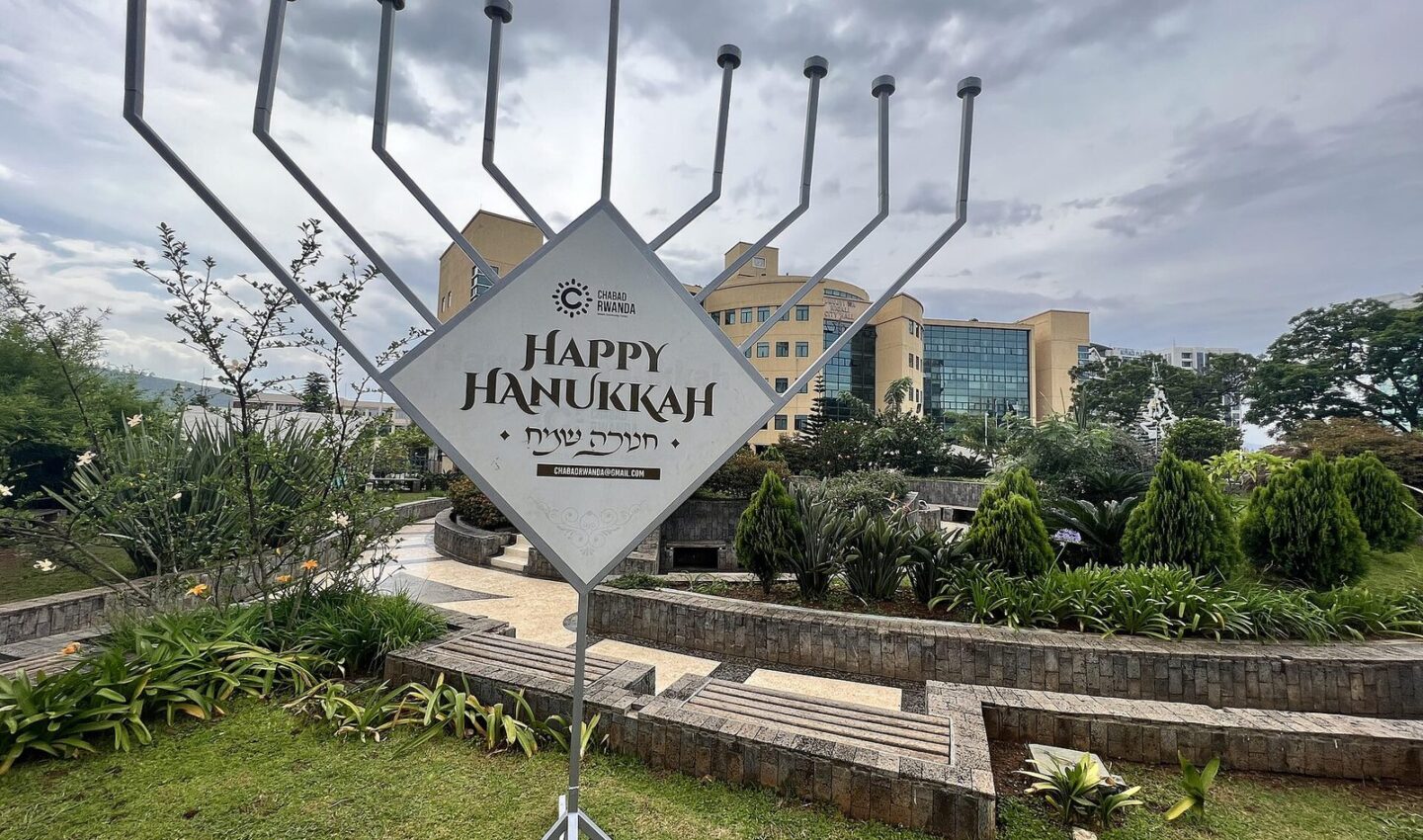
What Rwanda Expats Learn the Hard Way in Dubai — it is one of those Dubai topics that sounds simple until you are standing in the middle of it, paperwork in hand, wondering what the actual order of operations is. This guide gives you the resident’s version: how it works in practice, what it connects to, and the order to do things in so you only do them once.
Documents and preparation
Dubai runs on a short list of documents that recur everywhere: passport, Emirates ID, tenancy contract and Ejari where housing is involved, salary or income evidence where money is involved, and photographs in the current specification. For anything under this guide’s topic, assemble your set before you start — originals for in-person steps, clean scans on your phone for everything else.
Attestation is the preparation step newcomers underestimate: documents issued abroad (degrees, marriage and birth certificates above all) often need the attestation chain — home authority, UAE embassy, UAE foreign affairs — before a Dubai process will accept them. If your situation touches any of those, start that chain first; it is the longest pole in almost every tent.
Money and the first-year traps
Expats from Rwanda learn the remittance rhythm quickly — comparing exchange houses and bank apps by the total that lands, not the headline rate — but the harder lessons are structural: rent paid in large cheques before direct debit became common, the deposit stack on a first apartment (agency, DEWA, furnishing), and how fast ‘tax-free salary’ leaks into lifestyle spending in a city engineered for it. The residents who thrive set the transfer home and the savings on payday, automatically, before the month begins.
Credit is easy to get and dangerous to carry in the UAE: bounced cheques and unpaid debts have legal consequences beyond a credit score, and leaving the country with debts unresolved follows you. Learn the rules before the car loan, not after.
📸 Follow @dxbtalkofficial on Instagram for daily Dubai in photos →
The paperwork lessons
The first hard lesson for expats from Rwanda is that Dubai runs on documents, and documents run on attestation. Degrees, marriage and birth certificates, and professional licences must be attested in the right sequence — home-country authority, UAE embassy, then the UAE’s foreign affairs attestation — before employers, schools or residency processes accept them. Starting this before you fly is the single biggest favour you can do yourself; doing it by courier from Dubai costs more and takes longer.
The second lesson is the Emirates ID’s centrality: until it is issued, banking, telecom, housing and health insurance all move at half speed. Keep certified copies and phone scans of everything, and expect every process to ask for a document you have not been asked for before.
Step by step: getting this right
Work through it in this order. First, gather the facts that apply to you — your documents, your dates and your budget — because almost every wrong turn in Dubai comes from acting on general advice before checking your own position. Second, use the official channel for anything with a fee or a legal effect: the authority’s app or portal, or the service centre that handles it in person.
Third, keep a record of every step: reference numbers, receipts, screenshots and the names of counters you visited. Dubai’s systems are joined up enough that a reference number from one step unlocks the next, and fragmented enough that you will be asked for it. Residents who keep a simple folder — phone scans plus one physical file — move through this city noticeably faster than those who rely on memory.
Common questions
Where can I double-check the current rules?
On the official channel for the authority involved — its website, app or service centre — because fees, hours and procedures for settling in Dubai from Rwanda are updated by official decision and summaries like this one age. Verify the step you are about to pay for, on the day you pay for it.
What is the most common mistake?
Acting on out-of-date advice. Systems here change yearly; a friend’s experience from a previous contract or a previous visa is a starting point, not a rule. The second most common mistake is paying an intermediary for a step the official app handles directly.
Does Dubai experience really matter to employers here?
Yes — a Gulf track record is a currency of its own, which is why many professionals accept a first role chosen for trajectory. Two years of local delivery usually re-prices a career.
Can I do most of this online?
Mostly, yes — Dubai has moved the majority of resident transactions into official apps and portals. The steps that still need your presence are usually biometrics, medicals, signatures and original-document sighting. Start online, and attend in person only for the step that requires your body.
The bottom line
Handled in the right order, settling in Dubai from Rwanda is a solved problem — thousands of residents do it every month. Prepare the documents, use the official channels, keep your records, and it becomes one more piece of Dubai admin that quietly stays done. This guide is part of DXB Talk’s resident library at dxbtalk.com, where the guides interlock the way the systems do.