Ask ten Dubai residents about living near Rashidiya station and you will get ten confident answers, at least four of which are out of date. This guide sticks to how things work now: the systems involved, the steps in their real order, and the details that decide whether it goes smoothly or becomes a story you tell at dinner.
A realistic timeline
Set expectations in weeks, not days. The straightforward version of this process, with documents ready, typically completes in a few working days of actual processing spread across one to three weeks of appointments, approvals and deliveries. The complicated version — a document to attest, a record to correct, a counter that needs a second visit — doubles that, and it is still normal.
The timeline you control is your own preparation: documents gathered, forms understood, fees budgeted, appointments booked at the calm end of the day. Residents who prepare experience Dubai’s systems as impressively efficient; residents who improvise experience the same systems as a maze. The difference is rarely the system.
The station and its patch
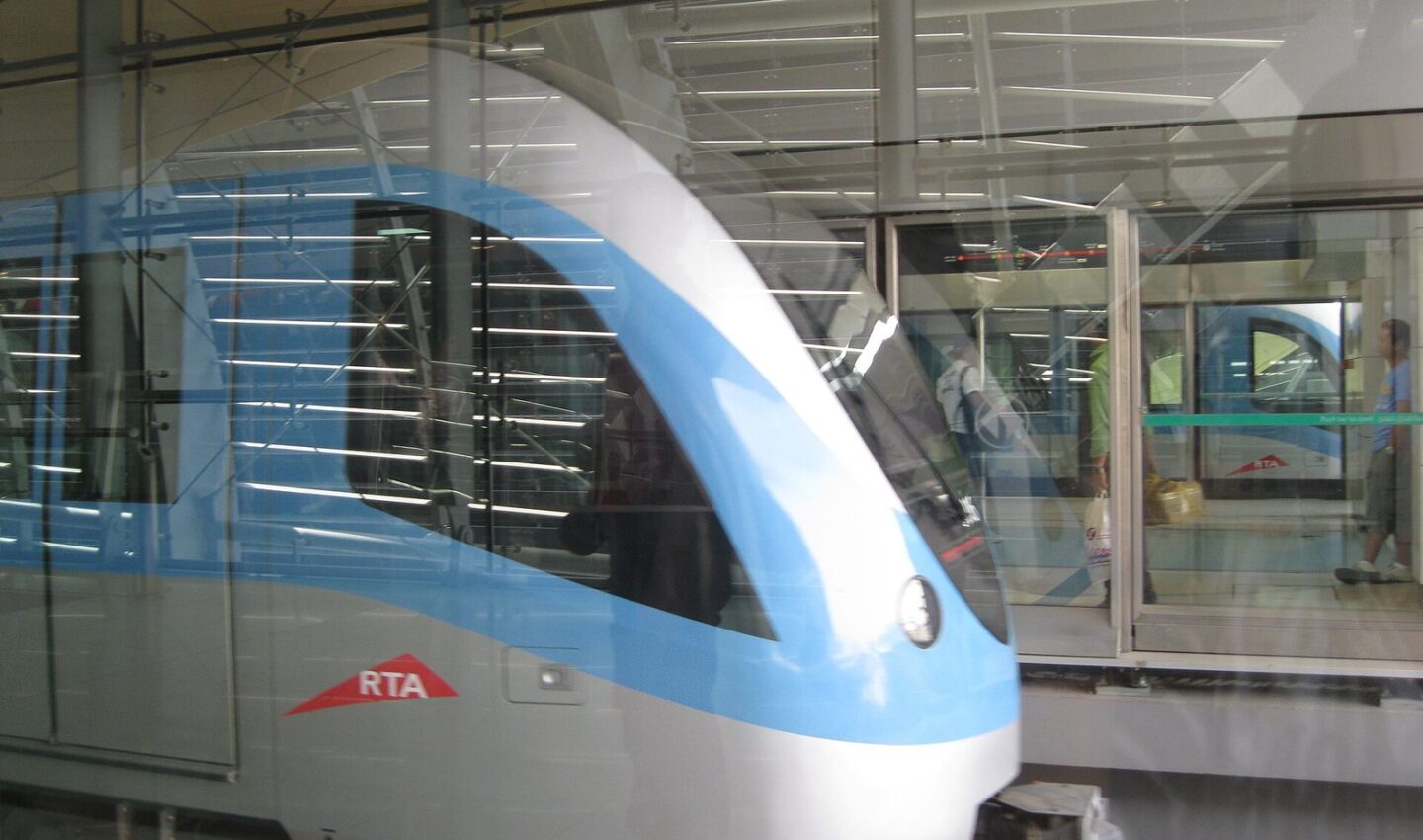
Rashidiya is the Red Line terminus area at Rashidiya, opposite the airport (the terminus station is now branded Centrepoint). For residents, a metro station is not just transport — it anchors the local housing market, the bus routes and the daily walking radius. The patch around Rashidiya station has its own character: the housing within a ten-minute walk trades at a premium for the access, and the streets near the station carry the coffee shops, groceries and services that commuters use twice a day.
Nol cards work across metro, tram, buses and paid parking, and the S’hail app plans the whole journey door to door. From Rashidiya, feeder buses extend the station’s reach into the surrounding neighbourhoods — learn your feeder route numbers early, because they define which ‘near the station’ addresses are actually convenient.
📸 Follow @dxbtalkofficial on Instagram for daily Dubai in photos →
The area beyond the platform
Judge the Rashidiya area by the walk, not the map: pavement continuity, shade, safe crossings and what is open at the hour you come home. Station areas in Dubai have been filling in with mid-rise housing, clinics, gyms and supermarkets precisely because residents pay for the convenience — the newer the cluster, the more complete the daily-life layer tends to be.
For renters, ‘near Rashidiya station’ in a listing can mean anything from two to twenty minutes — verify with your own feet, in the heat, with the route you would actually walk. That single test is worth more than every photograph in the advert.
Mistakes residents make (so you don’t have to)
The recurring mistakes are boringly consistent. Acting on a friend’s experience from three years ago in a system that has since moved online. Paying an intermediary for something the official app does free. Signing — a lease, a contract, a package — before reading the clause that governs leaving it. And assuming that because something is common practice it is therefore permitted: Dubai tolerates a lot informally right up to the moment it doesn’t.
The antidote is unglamorous: verify on the official channel, read the document, ask what happens if you need to stop or leave, and get commitments in writing. None of this slows a well-run process by more than a day, and it prevents the month-long unravellings that fill the community forums.
Keeping records like a resident
Long-term Dubai residents share one unglamorous habit: a records folder, physical or digital, containing the ID, the tenancy, the key contracts, the insurance cards and the last few official receipts for everything. It sounds excessive until the day a bank, a school or an officer asks for a document from two years ago — which, in this city’s joined-up bureaucracy, is a day that reliably comes. Build the folder as you go; reconstructing it afterwards is the painful version.
Common questions
Can I do most of this online?
Mostly, yes — Dubai has moved the majority of resident transactions into official apps and portals. The steps that still need your presence are usually biometrics, medicals, signatures and original-document sighting. Start online, and attend in person only for the step that requires your body.
Where do residents get reliable local detail?
Community groups for your district, school or workplace hold the lived detail — which branch is quick, what the process felt like last month. Combine that texture with the official source for the rule itself, and you have the full picture.
What is the most common mistake?
Acting on out-of-date advice. Systems here change yearly; a friend’s experience from a previous contract or a previous visa is a starting point, not a rule. The second most common mistake is paying an intermediary for a step the official app handles directly.
Where do residents get reliable local detail?
Community groups for your district, school or workplace hold the lived detail — which branch is quick, what the process felt like last month. Combine that texture with the official source for the rule itself, and you have the full picture.
The bottom line
Handled in the right order, living near Rashidiya station is a solved problem — thousands of residents do it every month. Prepare the documents, use the official channels, keep your records, and it becomes one more piece of Dubai admin that quietly stays done. This guide is part of DXB Talk’s resident library at dxbtalk.com, where the guides interlock the way the systems do.