
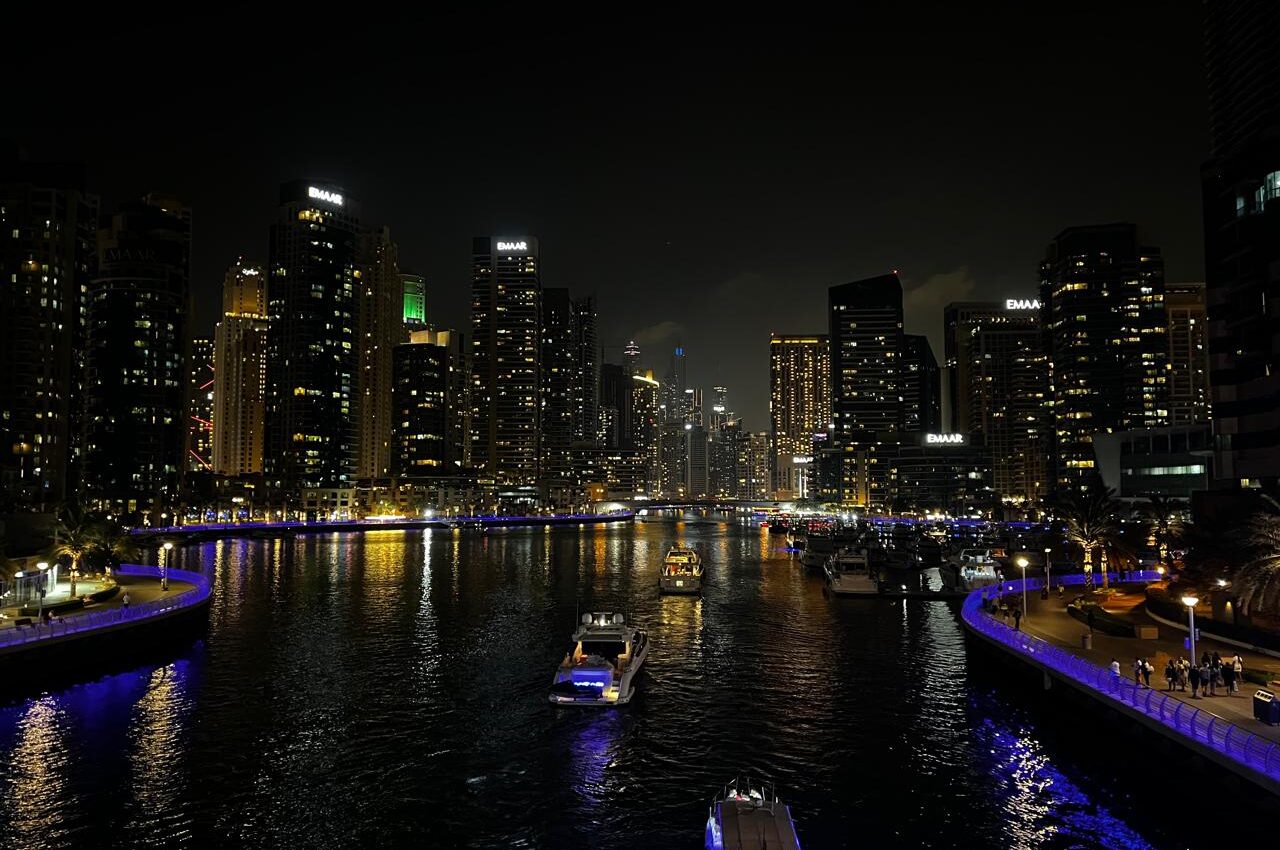
Moving from Mali to Dubai is a long journey in every sense: thousands of kilometres from Bamako, a different language environment, and a Gulf city whose systems run on apps, permits and air-conditioning. Malians make the move for trade, professional work, study, family reasons and new opportunities, often via connecting flights through regional hubs. With careful preparation, especially on visas and documents, the relocation is very manageable. This guide covers the sequence from deciding to move to feeling settled.
Before You Leave Mali
- Confirm your visa route first. Malian citizens need the correct UAE entry arrangement in place before travel, arranged through a sponsor, employer, airline or official channel depending on the route. Verify current requirements on the official UAE government portal and never travel on promises from informal intermediaries.
- Organise your papers. Passport with strong validity, birth and marriage certificates if family will follow, education and professional certificates, and any business documents if you are coming for trade. Keep French originals safe and expect to need certified translations later.
- Plan the document chain. Documents for UAE use usually need legalisation involving Malian authorities and UAE attestation steps. Ask your sponsor or employer exactly what they require and start early, as processing in two countries takes time.
- Bring a realistic budget. Flights, initial accommodation, deposits and setup costs arrive together. As a guide, hold accessible funds for the first one to two months beyond employer support.
Arrival, Residence and Emirates ID
Enter only on the entry permit or visa arranged for you. If you are coming for employment, your employer sponsors your work permit and residence, arranges the medical fitness test and Emirates ID enrolment, and guides you through biometric appointments. Your Emirates ID then unlocks banking, tenancy contracts, phone plans, healthcare registration and government apps. Keep copies of every approval and receipt during the first months, because new arrivals are asked for documents constantly.
Family sponsorship follows its own salary and housing conditions under UAE rules, which change from time to time. Check the current criteria on official UAE portals before promising relatives dates, and note that attested and translated marriage and birth certificates will be needed.
Housing, Money and Getting Around
Most newcomers start in employer accommodation, a shared flat or a short rental while learning the city. Formal leases in Dubai are registered with Ejari, typically require a deposit and rent paid in a small number of cheques a year as a guide, and should be arranged through registered agents. Areas along the Metro line suit those without a car, and many West African residents value neighbourhoods with African shops, restaurants and places of worship nearby; ask community contacts where those clusters are when you arrive, as they shift over time.
Open a local bank account once your Emirates ID arrives, keep your Mali banking and mobile money arrangements accessible for family obligations, and use only licensed UAE exchange houses or banks when sending money home. On language, English is the working language of most Dubai workplaces and services, with Arabic official; French is far less common than in Mali, so building working English before you arrive pays off quickly in interviews and daily life.
Settling In: Work, Faith and Community
Dubai offers Malians a large Muslim-friendly environment: mosques in every district, halal food everywhere and Ramadan observed across the city, which eases one part of the transition considerably. Community itself is found through African and Francophone social groups, mosques, workplaces and sports, particularly football. Those networks are the best source of honest advice on landlords, employers, schools and sending goods home.
Expect the first summer to test you. Temperatures far exceed even Malian heat in their humidity and duration at peak, and outdoor work or walking at midday becomes genuinely risky. Follow local guidance, hydrate, and plan your days around early mornings and evenings until the cooler months return.
FAQ
Q: Do Malians need a visa arranged before flying to Dubai?
A: In general, yes, Malian citizens should have their UAE entry arrangement confirmed through official or sponsor channels before travel. Verify the current rule on the UAE government portal.
Q: Will my French documents be accepted in Dubai?
A: Not on their own for official purposes. They typically need attestation and legal translation into Arabic or English by a licensed translator. Confirm exact requirements with the requesting authority.
Q: Can my family join me straight away?
A: Usually family sponsorship follows once your residence, salary and housing meet current conditions. Complete your own status first, then apply for dependants with attested documents.
Begin planning with DXB Talk and the Dubai archive for relocation, housing and residency guides.