Living in Dubai as an expat from Tonga means trading a small, close-knit Pacific island life for a huge, fast and very international city — and most Tongans who settle well do it by building a small routine of faith, sport, food and friendship inside the bigger city. Dubai will not feel like home on day one, but its churches, sports leagues, Pacific and Filipino supermarkets, beaches and year-round sunshine make it easier than many expect to keep the parts of Tongan life that matter most.
Finding community when the community is small
The Tongan community in the UAE is small compared with larger expat groups, so community is usually found through wider Pacific, church and rugby networks rather than a single neighbourhood association. Look for Pacific islander social groups on social media, ask at your church about islander fellowships, and follow community sports noticeboards for touch rugby and netball. Workplaces in hospitality, aviation, healthcare, security and logistics also bring Pacific colleagues together informally, and those work friendships often become the first social circle for new arrivals.
Be the person who organises the small thing. A monthly shared meal, a beach barbecue or a ride-share to church can become the anchor others were waiting for. Keep expectations kind: people work long and varied shifts in Dubai, including weekends that follow a Saturday–Sunday pattern, so a group that meets flexibly will last longer than one that demands the same time every week.
Faith, family and the rhythm of the week
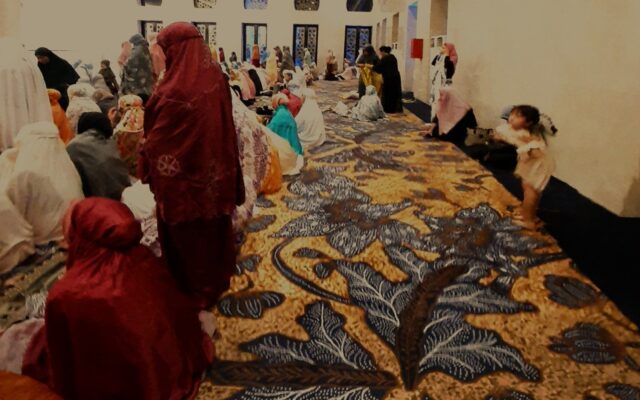
Faith is central for many Tongan families, and Dubai has licensed churches of many denominations holding services, often on Fridays and weekends, in church compounds and rented halls. Check a congregation’s own website for current service times and locations, as these change. During Ramadan, be mindful of fasting colleagues and local customs in public, and plan big family meals at home for after sunset if you are hosting Muslim friends. School terms, prayer times and summer heat all shape the week here, so families often shift outdoor life to early mornings and evenings for much of the year.
- Choose a church community early — it is the fastest route to practical help and friendship
- Use video calls home on a fixed day to manage the large time difference with Tonga
- Build a small home routine — Sunday cooking, music and family calls — that travels with you
- Register children for sport or music to give them their own circle quickly
Food and finding a taste of home
You will not find a dedicated Tongan restaurant on every corner, but you can cook most comfort foods from Dubai’s supermarkets and specialty shops. Look for taro, cassava, coconut milk and cream, canned corned beef and fresh seafood in larger hypermarkets and in Filipino and Asian supermarkets in areas such as Deira, Satwa, Karama and International City — stock varies, so ask staff what days deliveries arrive. Lu sipi, ota ika-style raw fish with coconut, and roast meats adapt well to ingredients here; coconut and root vegetables are the flavours to stock when you see good quality. For a big family shop, warehouse stores and market trips to the fish and vegetable markets can bring costs down.
As a guide, a careful home-cooking budget for a single person typically runs to around AED 800–1,200 a month, with imported treats on top. Eating your home food at a restaurant is rarer, so hosting potluck-style meals where each family brings a dish is both cheaper and more social than trying to replicate a full feast alone. Label pork and alcohol clearly at mixed gatherings out of respect for Muslim friends and UAE law, and remember alcohol is only for licensed venues and private settings for non-Muslim adults.
Everyday life: heat, transport and money
Dubai summers are far hotter than Tonga’s tropical warmth, with humidity that makes midday exercise unwise. Air conditioning is everywhere, the Metro and buses are air-conditioned too, and most residents plan errands for mornings and evenings from June to September. A Nol card covers Metro, tram and bus travel, and taxis and ride-hailing apps fill the gaps. Rent is the biggest cost: as a guide, a studio in more affordable districts typically starts from around AED 2,500–3,500 a month, with family areas costing more, usually paid in a few cheques over the year with a deposit and agency fee at the start.
Stay connected to official information. Your rights as a tenant, worker and consumer are set out on UAE government portals, and your own consular support for Tonga may be provided from outside Dubai — verify the current contact route through official Tongan government sources before an emergency, not during one. Keep passport copies, your Emirates ID and insurance details backed up securely, and make sure family at home know how to reach you and your employer.
FAQ
Is there a Tongan church or community group in Dubai?
There is no single large Tongan centre, but Tongan Christians join many licensed congregations, and Pacific islander friendships grow through churches, rugby and work. Check church websites and community groups for current meetings.
Can I find taro and coconut products easily?
In larger supermarkets and Asian food stores, usually yes, though quality and stock vary by week. Ask about delivery days and freeze coconut and root vegetables when you find a good batch.
What surprises Tongans most about Dubai?
The summer heat and the scale of the city are the biggest adjustments, along with shift patterns. Most people settle once they have a church, a sports outlet and a small circle of friends.
Dubai rewards people who build their village deliberately — and Tongans, who value family and faith so highly, are well suited to doing exactly that. Explore more about everyday living, neighbourhoods and costs at DXB Talk and in our Lifestyle archive.