Life in Dubai for someone from Micronesia is a study in contrasts: you swap a small island where everyone knows your family for a glittering city of millions where almost nobody does — at first. The Micronesian community in the UAE is tiny, so building a life here is less about finding a ready-made neighbourhood and more about weaving your own connections from work, faith, sport and the wider Pacific and international communities. Most people who make that effort find Dubai generous, safe and full of opportunity.
The adjustment: scale, climate and pace
The first surprises are physical. Summer heat regularly pushes past 40°C, the opposite challenge to ocean-cooled island weather, and daily life shifts indoors for months — malls, offices and gyms become your public spaces. The city runs fast and late: shops open into the night, weekends follow the Saturday–Sunday pattern, and work culture can be demanding. Give yourself a season to adjust. Practical habits help — plan outdoor time for early mornings and evenings, keep water with you, and treat air conditioning as the local equivalent of shade and sea breeze.
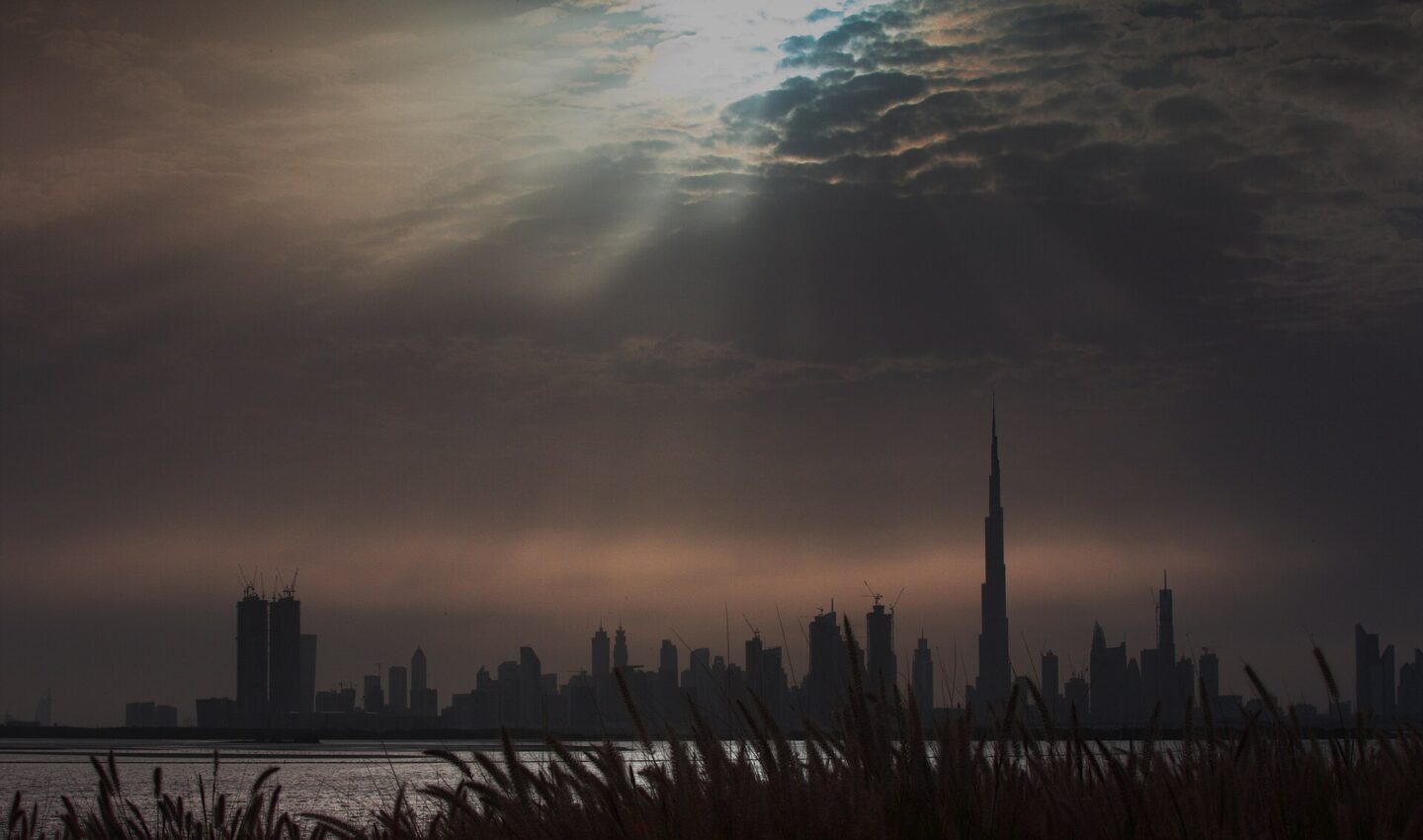
On the other side of the ledger: Dubai is exceptionally safe, infrastructure works beautifully, and the sheer variety of food, shopping and entertainment within a short Metro ride is unlike anything in the Pacific. Most newcomers describe the first months as tiring but exciting in equal measure.
Finding community when your community is small
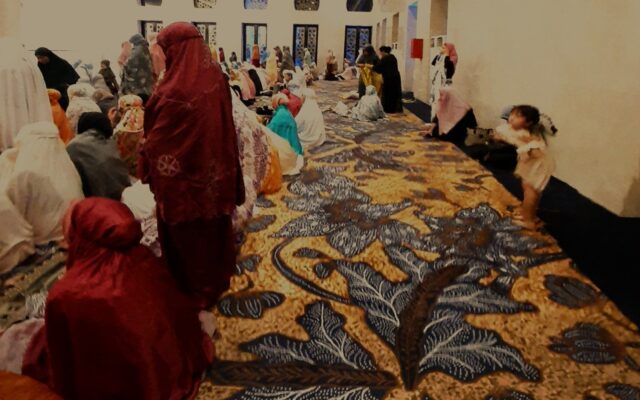
There is no large Micronesian association in Dubai, so think wider. Pacific Islanders from Fiji, Samoa, Tonga, Papua New Guinea and elsewhere form a small but warm regional network, often gathering through churches, rugby and volleyball circles, and social media groups. Faith communities are a common anchor — Dubai has licensed churches of many denominations holding services in multiple languages, and fellowship groups often function as extended family for people far from home. Workplaces, too: the hospitality, healthcare, aviation and maritime sectors employ Pacific Islanders, and colleagues frequently become the first circle of friends.
- Search social platforms for Pacific Islander and Oceania expat groups in the UAE
- Join a sports league — touch rugby, volleyball and netball are popular and welcoming
- Attend community and cultural festivals, where regional groups showcase food and dance
- Volunteer — charity and church groups are fast routes to genuine friendships
Food from home, and food from everywhere
You will not find a Micronesian restaurant in Dubai, and staples such as fresh reef fish, taro and breadfruit prepared the island way are hard to replicate. But the city’s Asian and Filipino supermarkets — communities with overlapping tastes — stock coconut products, rice varieties, canned fish, noodles and sauces that help you cook comforting meals at home. Fresh seafood markets sell excellent fish even if the species differ, and learning to grill or steam local catch with island flavours is a small pleasure many Pacific cooks adopt. Beyond home cooking, lean into the adventure: Dubai is one of the world’s great eating cities, from inexpensive cafeteria fare to festival food from every continent, all within a modest budget if you explore beyond the malls.
Staying connected to the islands
Distance is the honest hard part. Time differences make calls home a scheduling exercise, flights are long and costly, and you will miss events you would never have missed from the next village. Regular video calls, a savings plan for a trip home every year or two, and sending money through reliable channels all help bridge the gap. Many islanders also find comfort in marking home occasions locally — cooking a special meal, gathering Pacific friends, following home news and sport online. Dubai’s diversity normalises this: everyone around you is maintaining a connection to somewhere else, and colleagues will understand homesickness because they feel it too.
Making the most of the opportunity
Most Micronesians in Dubai come for work or a partner’s work, and the financial logic is strong: tax-free salaries, the chance to support family at home, and experience in a global city. Treat the posting as a chapter with a purpose — save deliberately, gain qualifications, and look after your health with the insurance and facilities available. Those who thrive here tend to build a small, solid circle, keep island values of family and community at the centre, and let Dubai’s scale become an asset rather than a loneliness. It will never feel like home — but it can feel like a good place to be building towards home.
FAQ
Is there a Micronesian community in Dubai?
It is very small, so most Micronesians connect through the wider Pacific Islander network, churches, sport and workplaces rather than a formal national association.
Can I find island food in Dubai?
Not exactly, but Filipino and Asian supermarkets stock many overlapping ingredients, and Dubai’s seafood markets and huge restaurant scene fill most gaps with a little creativity.
How do people cope with the distance from home?
Regular video calls, planned trips home, remittances through licensed channels and a strong local circle of friends are the strategies most long-term residents recommend.
For more stories and guides on building a life in the Emirates, visit DXB Talk and browse the Lifestyle category archive.