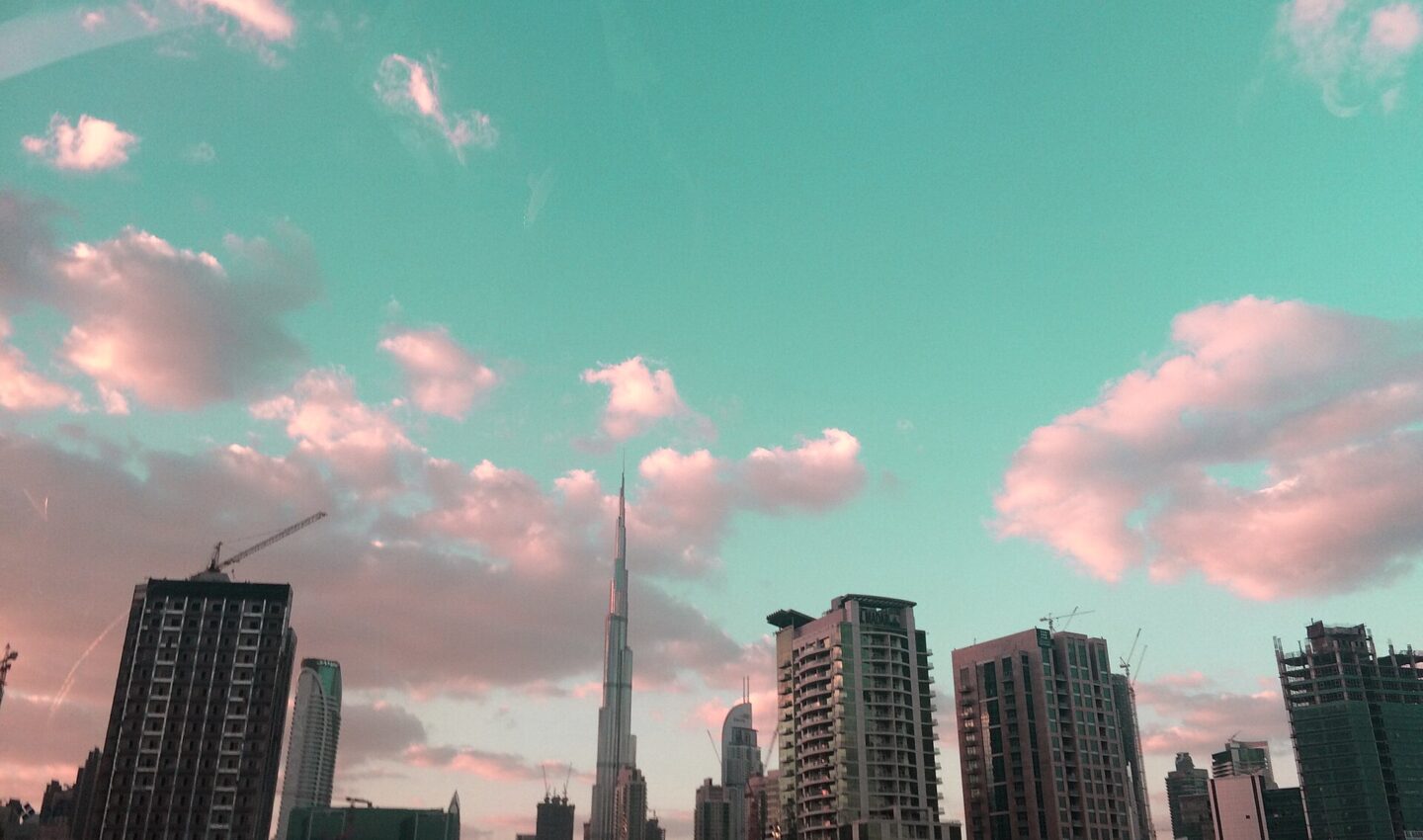
Life in Dubai for people from DR Congo is shaped by a small but warm community, a big Francophone African presence, and a city that rewards those who build their own networks. You may not find a Congolese restaurant on every corner, but you will find the music, the faith communities, the hair salons and the shared flats and football chats that make a huge, fast city feel personal. Settling in well is mostly about knowing where to look and being willing to start conversations.
Finding the Congolese and wider African community
Congolese residents in Dubai connect through a mix of churches, mosques, WhatsApp and Facebook groups, African social events and informal networks around work. Francophone African gatherings are a natural entry point, since shared language opens doors quickly even beyond the Congolese community itself. African-led churches with French-language services, community football teams and cultural celebrations tied to Congolese Independence Day on 30 June are all occasions where newcomers meet people who remember exactly what the first months felt like.
Neighbourhoods with larger African populations and more affordable rents — areas such as Deira, Bur Dubai, Al Qusais and International City are often mentioned by residents — make it easier to find familiar shops and neighbours. That said, community in Dubai is rarely confined to one district; most people travel across the city for the gatherings that matter to them.
Food, ingredients and a taste of home
Cooking at home is the most reliable way to eat Congolese food in Dubai. African grocery shops in Deira and other trading districts stock staples that travellers and new arrivals ask about most:
- Cassava and fufu flours, plus frozen cassava leaves for pondu
- Palm oil, pili pili chillies and dried or smoked fish
- Plantains, safou when in season, and groundnuts
- Ingredients for saka-saka, mbinzo and grilled meat marinades
Stock and seasons change quickly in small import shops, so regulars tend to ask shopkeepers when shipments arrive and buy a little extra of hard-to-find items. African restaurants in the city lean West African in many cases, but menus sometimes include grilled fish, plantain and pepper sauces that scratch the right itch, and home cooks within the community often sell plates through social media groups — always through people you know or who come recommended.
Everyday life: faith, hair, music and family
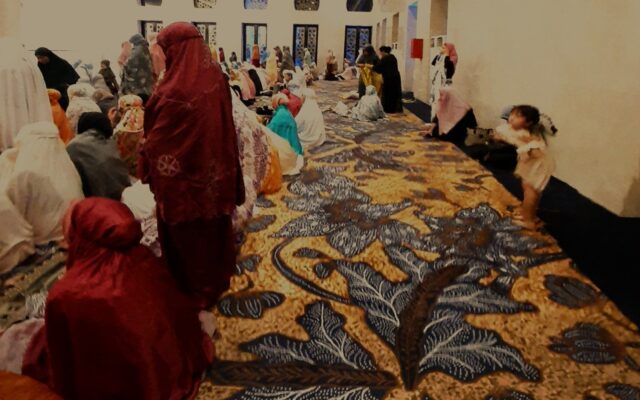
Dubai’s licensed places of worship include churches where African congregations form a large part of community life, and prayer and fellowship groups often double as the best source of practical advice on jobs, housing and schools. Barbers and hair salons experienced with braiding, locks and African hair can be found in Deira, Bur Dubai and other busy districts — personal recommendations from the community are worth more than any listing, so ask in the groups before booking.
Rumba and modern Congolese music travel well: expect to hear familiar sounds at African parties and lounge nights, and streaming keeps new releases from Kinshasa close. For families, the recurring questions are school fees, keeping French and Lingala or Swahili alive at home, and video calls timed around the two-to-three-hour time difference with DR Congo depending on the season and the part of the country family lives in.
Making Dubai work for you
The practical foundations matter as much as the social ones. Keep your visa and Emirates ID renewals diarised, build a small emergency fund in dirhams, and be careful with job offers or room rentals shared through informal channels — verify employers and tenancy contracts through official routes. Many Congolese residents build side incomes and careers through the city’s trade, logistics, hospitality, beauty and security sectors, and skills gained in Dubai’s formal, documented business environment carry weight back home too. The residents who thrive longest tend to combine a trusted circle of compatriots with friendships across Dubai’s many other communities, enjoying both a taste of home and everything the wider city offers.
FAQ
Is there a Congolese association in Dubai?
Community organisation is mostly informal, through faith groups and social media networks. Search for Congolese and Francophone African groups and ask at African shops and churches for current contacts.
Where can I buy Congolese ingredients?
Start with African grocery stores in Deira and other trading areas, and ask fellow residents which shops currently stock cassava leaves, smoked fish and similar staples.
How do families keep children connected to Congolese culture?
Through language at home, music and food, community celebrations and regular calls and visits home. Many parents also involve children in church or community cultural events.
Explore more stories and practical guides for residents at DXB Talk and in the Lifestyle category archive.