
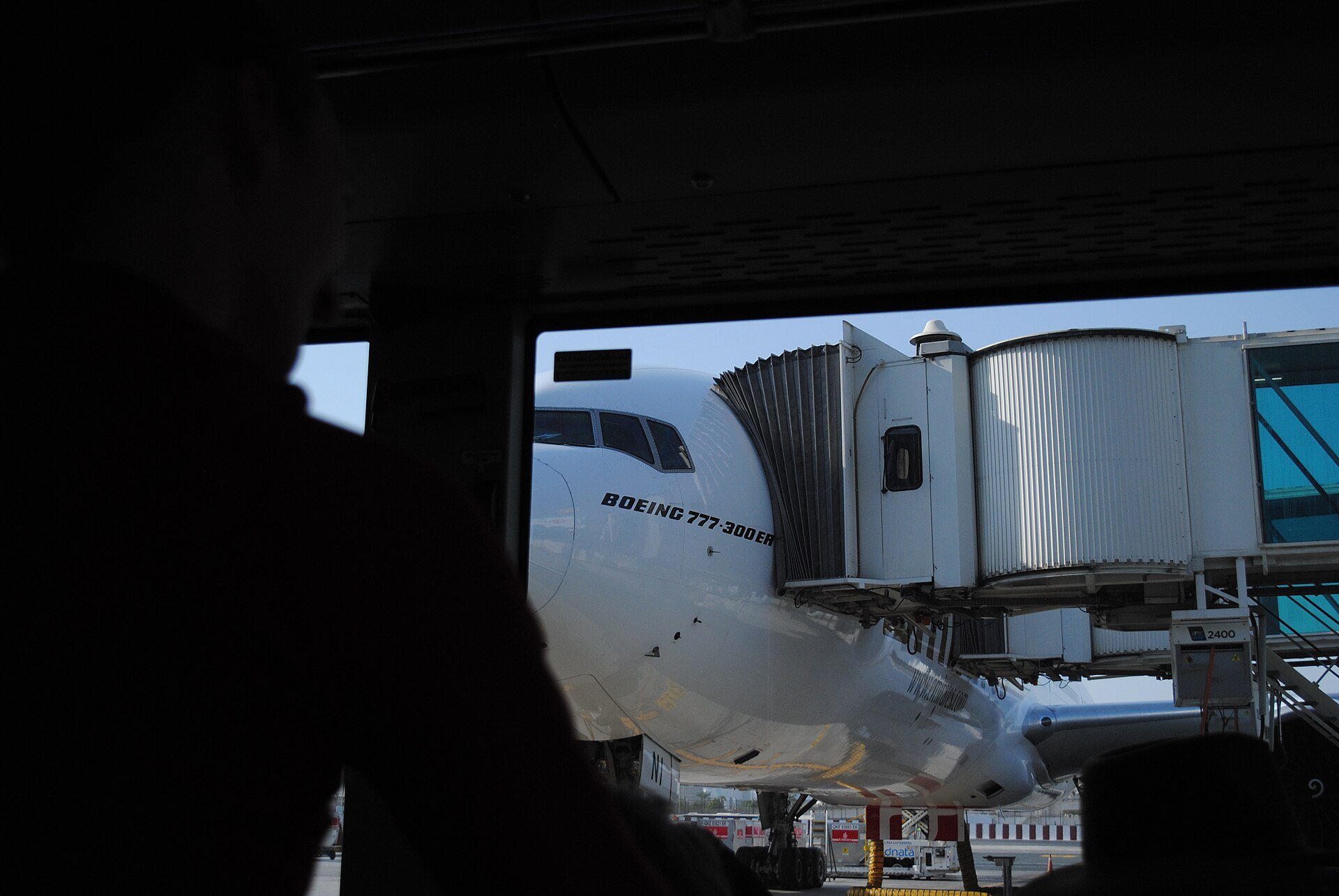
Dubai International Airport, known to everyone as DXB, is one of the busiest airports on the planet — and for residents it is also the city’s front door. DXB is big, but it is logically organised, and once you understand which terminal you need and how you are getting there, using it becomes routine. This guide covers the terminals, the journey in, parking and drop-offs, and the habits that make departures and arrivals far less stressful.
Know your terminal before you leave home
DXB has three terminals, and they are not all in the same place, so checking your terminal is the single most important step of any airport trip.
- Terminal 3 is the home of Emirates, and also handles many flydubai flights. It is the largest and most modern terminal, with its own dedicated Metro stations, check-in areas and parking.
- Terminal 1 serves most other international airlines — the big European, Asian and regional carriers. It sits across the airport from Terminal 3 in day-to-day driving terms and shares the same Metro line.
- Terminal 2, on the other side of the airfield near Al Qusais, is used by flydubai for many routes and by a range of regional and low-cost airlines. There is no Metro station at Terminal 2, so plan a taxi or car journey.
Your terminal is printed on your booking and e-ticket. Check it the night before, not in the car — driving between terminals at the last minute is a stressful way to start a trip.
Getting there: Metro, taxi and car
The Red Line of the Dubai Metro serves Terminal 1 and Terminal 3 directly. For a solo traveller with light luggage in Metro hours, it is cheap, fast and immune to road traffic. Taxis are plentiful and can be booked through the usual apps. If you are driving, allow extra time at peak hours: the roads around Airport Road and Al Garhoud can slow sharply in the evening. For an international flight, aim to arrive around three hours before departure at busy times — check-in, security and immigration all take longer when the terminal is full.
Drop-offs and pick-ups without the panic
Each terminal has a departures-level drop-off area where you can unload quickly. These lanes are for brief stops only — have bags ready, say the long goodbyes at home, and move on promptly so you do not get moved on mid-hug. For pick-ups, never wait in the drop-off lanes. The smarter pattern is to ask your arriving passenger to message you once they have collected their bags and are actually walking out, then drive in — or park in the arrivals car park and walk in to meet them, which is far nicer for elderly parents, children and anyone arriving after a long flight. Flight-tracking in the airline or airport channels lets you time this well instead of circling.
Parking: what to expect
All three terminals have official car parks, typically with short-stay parking close to the terminal and cheaper options a short walk away, charged by the hour with daily caps that vary by car park and season. Because tariffs do change, check current prices on the official DXB channels before a long trip, and photograph your parking level and row — at 3am after a red-eye flight, that photo is priceless. For longer trips, compare the total parking cost against return taxis; residents are often surprised how close the numbers are.
Inside the airport: a resident’s routine
- Check in online whenever your airline allows it, and screenshot your boarding pass in case the app or signal fails.
- Residents should travel with their Emirates ID as well as their passport; you may be asked for it, and e-gates can speed up immigration when you are eligible.
- Keep liquids, laptops and belts organised before security to move through quickly.
- Note your gate early, then relax — some Terminal 3 gates involve a train ride and a long walk.
- For arrivals, have the address of where you are staying and your onward transport decided before you land.
The calm way to use DXB
DXB rewards people who plan one step ahead. Confirm your terminal, choose Metro, taxi or car based on luggage and timing, and park properly when you are meeting someone. Do that, and one of the world’s busiest airports starts to feel like a familiar, well-run gateway to everywhere.