This is a practical guide to living on Umm Suqeim Street — written for people who live here, not visitors passing through. It covers the systems you will deal with, the documents and decisions that matter, and the mistakes that cost residents time and money, in the order you will actually meet them.
How this connects to the rest of Dubai life
Nothing in this guide sits alone. living on Umm Suqeim Street touches your housing, your banking, your children’s schooling or your employer’s paperwork — usually two of those at once. That is why the sequencing advice in these guides keeps repeating: identity and residency first, then the tenancy and utility chain, then the money systems, then the lifestyle layer. Each completed layer makes the next one a formality.
It is also why small administrative untidiness compounds: an out-of-date phone number on your ID record blocks a bank OTP, which blocks a payment, which blocks a renewal. Keep the foundations current — ID, number, address records, document scans — and the whole city’s machinery stays oiled on your behalf.
Life along Umm Suqeim Street
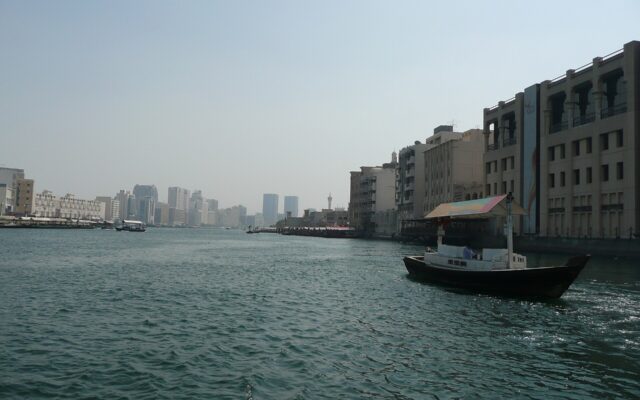
Umm Suqeim Street is the road running from Al Sufouh through Umm Suqeim to Al Barsha and on toward Al Quoz. Living ‘on’ a major Dubai road really means living in the band behind it — the towers that front it, the villa streets that branch off it, or the communities whose daily access runs through it. This guide reads Umm Suqeim Street the way residents experience it: access, noise, crossings, and what the road gives you and what it takes.
The first question is which side of the road your life is on. Dubai’s arterials are wide enough that ‘just across the road’ can mean a ten-minute drive to a crossing — check the actual pedestrian and vehicle routes between your door and your daily destinations, not the straight line on the map.
The neighbourhoods it ties together
Umm Suqeim Street is also a string of neighbourhoods: the districts along it share its access while keeping their own characters, and residents navigate by its exits and landmarks (‘after the third interchange’, ‘behind the mall on Umm Suqeim Street’). Property listings use the road as shorthand for a whole lifestyle band — your job is to translate the shorthand into the specific street, building and crossing pattern you would actually live with.
Roads in Dubai also change: widening projects, new interchanges and new Salik gates arrive with the city’s growth. Anything you read about journey times, including here, ages — test your real journeys in the week you move, and re-test after any big roadworks finish.
Costs: how to think about the money
Resist any single quoted figure for living on Umm Suqeim Street — including from well-meaning friends. Costs here split into official fees (published, fixed, and worth checking on the authority’s own schedule rather than through an intermediary), market prices (negotiable, seasonal, and different by district), and the hidden third category: the cost of doing it in the wrong order, which usually arrives as a second fee, a second trip or a second deposit.
Build your budget from three live quotes wherever the market is involved, add a contingency you genuinely keep untouched, and treat ‘cheap’ offers that skip official steps as the most expensive option on the table. In Dubai the boring, receipted route is almost always the cheapest route by the end of the year.
What has changed recently
Dubai’s systems are revised constantly — fees, channels, even whole authorities get restructured, and processes that lived at a counter last year live in an app this year. Treat every guide, including this one, as a map that needs a final check against the live territory: the authority’s current page, the app as it stands today. The residents who never get caught out are the ones who verify the last step, every time, even when they have done it before.
Common questions
What is the most common mistake?
Acting on out-of-date advice. Systems here change yearly; a friend’s experience from a previous contract or a previous visa is a starting point, not a rule. The second most common mistake is paying an intermediary for a step the official app handles directly.
Where can I double-check the current rules?
On the official channel for the authority involved — its website, app or service centre — because fees, hours and procedures for living on Umm Suqeim Street are updated by official decision and summaries like this one age. Verify the step you are about to pay for, on the day you pay for it.
What is the most common mistake?
Acting on out-of-date advice. Systems here change yearly; a friend’s experience from a previous contract or a previous visa is a starting point, not a rule. The second most common mistake is paying an intermediary for a step the official app handles directly.
Where do residents get reliable local detail?
Community groups for your district, school or workplace hold the lived detail — which branch is quick, what the process felt like last month. Combine that texture with the official source for the rule itself, and you have the full picture.
The bottom line
The pattern underneath living on Umm Suqeim Street is the pattern underneath most of Dubai life: the systems work, the paperwork is the price, and preparation is the discount. Do it once, properly, and you join the residents who find this city easy. More step-by-step resident guides live at dxbtalk.com.