Living on Al Maktoum Street: Access and Daily Life — it is one of those Dubai topics that sounds simple until you are standing in the middle of it, paperwork in hand, wondering what the actual order of operations is. This guide gives you the resident’s version: how it works in practice, what it connects to, and the order to do things in so you only do them once.
Life along Al Maktoum Street
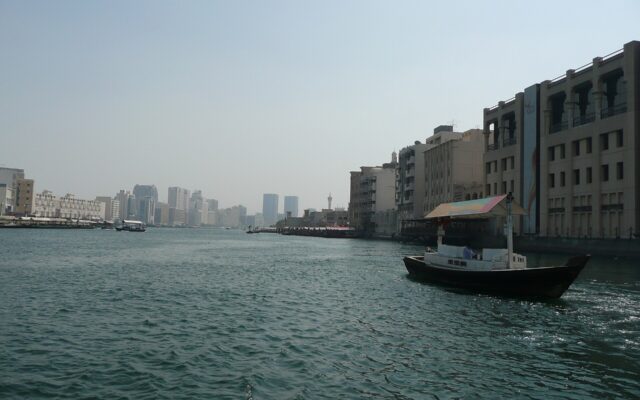
Al Maktoum Street is one of Deira’s principal streets, running from the Baniyas side toward the Clock Tower and Al Garhoud Bridge. Living ‘on’ a major Dubai road really means living in the band behind it — the towers that front it, the villa streets that branch off it, or the communities whose daily access runs through it. This guide reads Al Maktoum Street the way residents experience it: access, noise, crossings, and what the road gives you and what it takes.
The first question is which side of the road your life is on. Dubai’s arterials are wide enough that ‘just across the road’ can mean a ten-minute drive to a crossing — check the actual pedestrian and vehicle routes between your door and your daily destinations, not the straight line on the map.
The neighbourhoods it ties together
Al Maktoum Street is also a string of neighbourhoods: the districts along it share its access while keeping their own characters, and residents navigate by its exits and landmarks (‘after the third interchange’, ‘behind the mall on Al Maktoum Street’). Property listings use the road as shorthand for a whole lifestyle band — your job is to translate the shorthand into the specific street, building and crossing pattern you would actually live with.
Roads in Dubai also change: widening projects, new interchanges and new Salik gates arrive with the city’s growth. Anything you read about journey times, including here, ages — test your real journeys in the week you move, and re-test after any big roadworks finish.
Step by step: getting this right
Work through it in this order. First, gather the facts that apply to you — your documents, your dates and your budget — because almost every wrong turn in Dubai comes from acting on general advice before checking your own position. Second, use the official channel for anything with a fee or a legal effect: the authority’s app or portal, or the service centre that handles it in person.
Third, keep a record of every step: reference numbers, receipts, screenshots and the names of counters you visited. Dubai’s systems are joined up enough that a reference number from one step unlocks the next, and fragmented enough that you will be asked for it. Residents who keep a simple folder — phone scans plus one physical file — move through this city noticeably faster than those who rely on memory.
Access, transport and daily logistics
Roads like Al Maktoum Street define commute options: direct highway access if you drive (with the Salik gates on the tolled corridors), parallel service roads and feeder streets for local trips, and — where the corridor carries it — the metro or tram as the sane peak-hour alternative. Bus routes run along most arterials, and taxi drivers know them by their landmarks rather than street numbers; learn your nearest landmark for pickups.
Noise and dust are the standing trade for access. In towers, higher floors and the non-road-facing side change the experience completely; in villas, the streets two rows back from the arterial keep the access and lose the hum. View at night and at morning peak before deciding — a road has two personalities.
Common questions
Where can I double-check the current rules?
On the official channel for the authority involved — its website, app or service centre — because fees, hours and procedures for living on Al Maktoum Street are updated by official decision and summaries like this one age. Verify the step you are about to pay for, on the day you pay for it.
What is the most common mistake?
Acting on out-of-date advice. Systems here change yearly; a friend’s experience from a previous contract or a previous visa is a starting point, not a rule. The second most common mistake is paying an intermediary for a step the official app handles directly.
What is the most common mistake?
Acting on out-of-date advice. Systems here change yearly; a friend’s experience from a previous contract or a previous visa is a starting point, not a rule. The second most common mistake is paying an intermediary for a step the official app handles directly.
Where do residents get reliable local detail?
Community groups for your district, school or workplace hold the lived detail — which branch is quick, what the process felt like last month. Combine that texture with the official source for the rule itself, and you have the full picture.
The bottom line
The pattern underneath living on Al Maktoum Street is the pattern underneath most of Dubai life: the systems work, the paperwork is the price, and preparation is the discount. Do it once, properly, and you join the residents who find this city easy. More step-by-step resident guides live at dxbtalk.com.