The Area Around BurJuman Metro Station: A Resident’s Guide — it is one of those Dubai topics that sounds simple until you are standing in the middle of it, paperwork in hand, wondering what the actual order of operations is. This guide gives you the resident’s version: how it works in practice, what it connects to, and the order to do things in so you only do them once.
Living with the metro as your commute
A metro-based life from BurJuman has a rhythm: peak trains toward the business districts fill between 7:30 and 9am, the Gold Class and women-and-children cabins offer breathing room at a fare premium, and the air-conditioned station-to-office walk is a genuine quality-of-life factor for nine months of the year. Check the last train times for your direction — they shift on weekends and holidays, and the taxi queue is the price of missing one.
The honest limits: the metro serves the city’s spine superbly and the suburbs thinly. From BurJuman, if your life is spine-shaped (work, schools and leisure along the line), car-free living is realistic and saves the full cost stack of ownership. If your life is suburb-shaped, the station becomes your park-and-ride or your airport run, and the car stays.
A realistic timeline
Set expectations in weeks, not days. The straightforward version of this process, with documents ready, typically completes in a few working days of actual processing spread across one to three weeks of appointments, approvals and deliveries. The complicated version — a document to attest, a record to correct, a counter that needs a second visit — doubles that, and it is still normal.
The timeline you control is your own preparation: documents gathered, forms understood, fees budgeted, appointments booked at the calm end of the day. Residents who prepare experience Dubai’s systems as impressively efficient; residents who improvise experience the same systems as a maze. The difference is rarely the system.
📸 Follow @dxbtalkofficial on Instagram for daily Dubai in photos →
Timing: when to do what
Timing shapes outcomes here more than most cities. The working week runs Monday to Friday, government counters are calmest early in the morning, and the calendar bends around Ramadan (shorter official hours, slower processing, evenings that come alive) and the summer months, when decision-makers travel and some processes stretch. School, tenancy and visa cycles interlock: a September school start implies a spring application, a summer tenancy signing and documents attested before either.
Plan backwards from the date that cannot move — the lease start, the school term, the visa expiry — and put your own deadlines a fortnight ahead of the official ones. The residents who glide through Dubai’s systems are not better connected; they are simply earlier.
The station and its patch
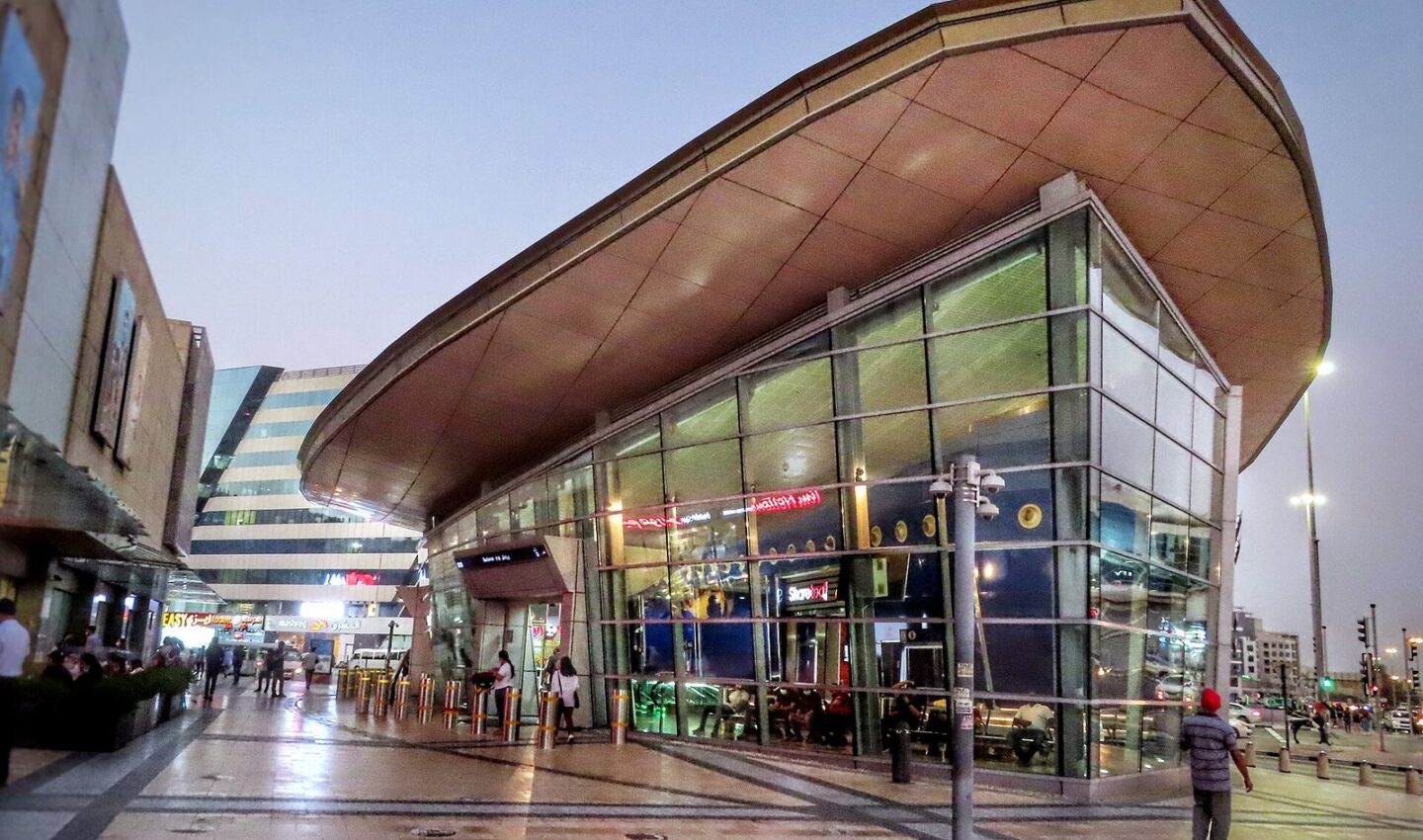
BurJuman is the Red/Green interchange under Bur Dubai and Karama, attached to the BurJuman mall. For residents, a metro station is not just transport — it anchors the local housing market, the bus routes and the daily walking radius. The patch around BurJuman station has its own character: the housing within a ten-minute walk trades at a premium for the access, and the streets near the station carry the coffee shops, groceries and services that commuters use twice a day.
Nol cards work across metro, tram, buses and paid parking, and the S’hail app plans the whole journey door to door. From BurJuman, feeder buses extend the station’s reach into the surrounding neighbourhoods — learn your feeder route numbers early, because they define which ‘near the station’ addresses are actually convenient.
Common questions
Where can I double-check the current rules?
On the official channel for the authority involved — its website, app or service centre — because fees, hours and procedures for living near BurJuman station are updated by official decision and summaries like this one age. Verify the step you are about to pay for, on the day you pay for it.
What is the most common mistake?
Acting on out-of-date advice. Systems here change yearly; a friend’s experience from a previous contract or a previous visa is a starting point, not a rule. The second most common mistake is paying an intermediary for a step the official app handles directly.
What is the most common mistake?
Acting on out-of-date advice. Systems here change yearly; a friend’s experience from a previous contract or a previous visa is a starting point, not a rule. The second most common mistake is paying an intermediary for a step the official app handles directly.
Where do residents get reliable local detail?
Community groups for your district, school or workplace hold the lived detail — which branch is quick, what the process felt like last month. Combine that texture with the official source for the rule itself, and you have the full picture.
The bottom line
Handled in the right order, living near BurJuman station is a solved problem — thousands of residents do it every month. Prepare the documents, use the official channels, keep your records, and it becomes one more piece of Dubai admin that quietly stays done. This guide is part of DXB Talk’s resident library at dxbtalk.com, where the guides interlock the way the systems do.