Dubai runs on systems, and driving in Al Garhoud Bridge sits at the crossing of several of them. Get the sequence right and it is a morning’s work; get it wrong and it follows you for months. Here is the sequence, the paperwork, and the local knowledge that turns a bureaucratic obstacle course into a routine errand.
Getting help: official channels and community knowledge
Two kinds of help exist and they are good at different things. Official channels — the authority’s app, call centre and service centres, plus licensed service centres such as Amer and the typing centres — own the rules and the transactions. Community knowledge — the residents’ groups for your district, school or nationality — owns the lived detail: which branch is efficient, which counter to ask for, what the process felt like last month.
Use them in that order for anything with legal or financial weight: official source for the rule, community for the texture. Be wary of any individual who offers to bypass an official step for a fee — in a city this digitised, the bypass is usually a detour into a scam the authorities warn about by name.
Step by step: getting this right
Work through it in this order. First, gather the facts that apply to you — your documents, your dates and your budget — because almost every wrong turn in Dubai comes from acting on general advice before checking your own position. Second, use the official channel for anything with a fee or a legal effect: the authority’s app or portal, or the service centre that handles it in person.
Third, keep a record of every step: reference numbers, receipts, screenshots and the names of counters you visited. Dubai’s systems are joined up enough that a reference number from one step unlocks the next, and fragmented enough that you will be asked for it. Residents who keep a simple folder — phone scans plus one physical file — move through this city noticeably faster than those who rely on memory.
The corridor and your alternatives
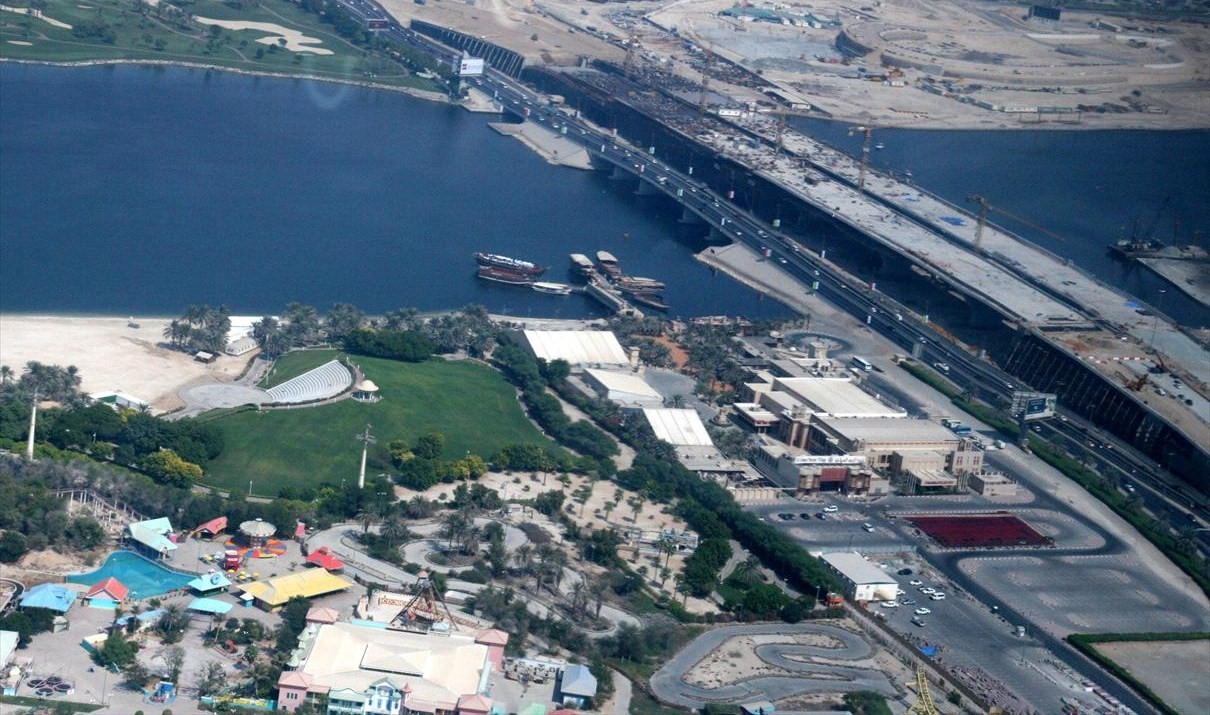
The Al Garhoud Bridge Salik Gate gate prices a specific movement — and every Salik gate creates a shadow map of free alternatives that residents learn: parallel untolled roads, earlier or later departures under the time-based tariff, and route choices that dodge one gate at the cost of traffic. Whether dodging is worth it depends on the value of your time that day; the honest answer is to know both routes and choose deliberately rather than by habit.
If you pass Al Garhoud Bridge Salik Gate twice daily, do the monthly maths and treat it as a line in the housing decision: a cheaper home beyond a gate can cost more than it saves. Employers in the corridor know this too — Salik allowances exist in some packages and are worth asking about.
How Salik works at Al Garhoud Bridge Salik Gate
Salik is Dubai’s automatic toll system: a tag on your windscreen, an account with the RTA, and a charge each time you pass a gate — no booths, no stopping. Al Garhoud Bridge Salik Gate is one of the gate locations, sitting on a corridor where the charge is part of the commute maths for thousands of residents. Salik has moved to time-differentiated pricing, with higher charges in peak hours and lower (or free) periods late at night — check the current tariff table on the Salik/RTA channels rather than relying on any remembered figure.
Your account tops up by app, website or recharge card, and every crossing is logged against your plate. The system’s discipline: an insufficient balance or an unregistered vehicle generates fines per day until fixed, so the account is set-and-check, not set-and-forget.
Common questions
Where do residents get reliable local detail?
Community groups for your district, school or workplace hold the lived detail — which branch is quick, what the process felt like last month. Combine that texture with the official source for the rule itself, and you have the full picture.
Can I do most of this online?
Mostly, yes — Dubai has moved the majority of resident transactions into official apps and portals. The steps that still need your presence are usually biometrics, medicals, signatures and original-document sighting. Start online, and attend in person only for the step that requires your body.
What is the most common mistake?
Acting on out-of-date advice. Systems here change yearly; a friend’s experience from a previous contract or a previous visa is a starting point, not a rule. The second most common mistake is paying an intermediary for a step the official app handles directly.
Where do residents get reliable local detail?
Community groups for your district, school or workplace hold the lived detail — which branch is quick, what the process felt like last month. Combine that texture with the official source for the rule itself, and you have the full picture.
The bottom line
Handled in the right order, driving in Al Garhoud Bridge is a solved problem — thousands of residents do it every month. Prepare the documents, use the official channels, keep your records, and it becomes one more piece of Dubai admin that quietly stays done. This guide is part of DXB Talk’s resident library at dxbtalk.com, where the guides interlock the way the systems do.