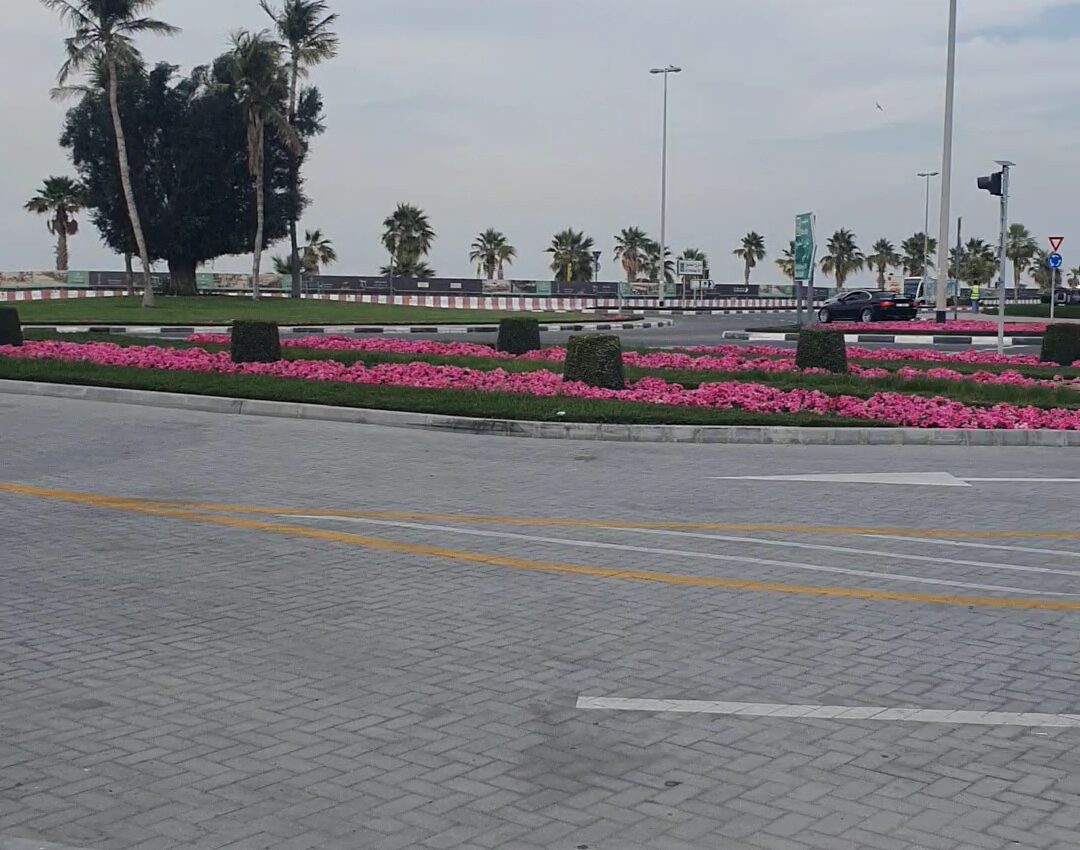
The Al Mamzar Salik Gate: Charges and Peak Hours — it is one of those Dubai topics that sounds simple until you are standing in the middle of it, paperwork in hand, wondering what the actual order of operations is. This guide gives you the resident’s version: how it works in practice, what it connects to, and the order to do things in so you only do them once.
The corridor and your alternatives
The Al Mamzar Salik Gate gate prices a specific movement — and every Salik gate creates a shadow map of free alternatives that residents learn: parallel untolled roads, earlier or later departures under the time-based tariff, and route choices that dodge one gate at the cost of traffic. Whether dodging is worth it depends on the value of your time that day; the honest answer is to know both routes and choose deliberately rather than by habit.
If you pass Al Mamzar Salik Gate twice daily, do the monthly maths and treat it as a line in the housing decision: a cheaper home beyond a gate can cost more than it saves. Employers in the corridor know this too — Salik allowances exist in some packages and are worth asking about.
How Salik works at Al Mamzar Salik Gate
Salik is Dubai’s automatic toll system: a tag on your windscreen, an account with the RTA, and a charge each time you pass a gate — no booths, no stopping. Al Mamzar Salik Gate is one of the gate locations, sitting on a corridor where the charge is part of the commute maths for thousands of residents. Salik has moved to time-differentiated pricing, with higher charges in peak hours and lower (or free) periods late at night — check the current tariff table on the Salik/RTA channels rather than relying on any remembered figure.
Your account tops up by app, website or recharge card, and every crossing is logged against your plate. The system’s discipline: an insufficient balance or an unregistered vehicle generates fines per day until fixed, so the account is set-and-check, not set-and-forget.
Documents and preparation
Dubai runs on a short list of documents that recur everywhere: passport, Emirates ID, tenancy contract and Ejari where housing is involved, salary or income evidence where money is involved, and photographs in the current specification. For anything under this guide’s topic, assemble your set before you start — originals for in-person steps, clean scans on your phone for everything else.
Attestation is the preparation step newcomers underestimate: documents issued abroad (degrees, marriage and birth certificates above all) often need the attestation chain — home authority, UAE embassy, UAE foreign affairs — before a Dubai process will accept them. If your situation touches any of those, start that chain first; it is the longest pole in almost every tent.
Accounts, fines and housekeeping
Keep the Salik account in the name of the vehicle’s owner, the tag matched to the plate, and the balance auto-topping-up. When you sell or transfer a car, the tag and account steps are part of the paperwork — a forgotten tag keeps charging its new crossings to you until it is reassigned. Rental cars handle Salik through the rental company with an admin fee on top, which is why rental invoices itemise crossings.
Disputes and statements run through the Salik app and call centre with the crossing logs as evidence. Check your statement monthly — the residents who catch the rare error are the ones who look.
What has changed recently
Dubai’s systems are revised constantly — fees, channels, even whole authorities get restructured, and processes that lived at a counter last year live in an app this year. Treat every guide, including this one, as a map that needs a final check against the live territory: the authority’s current page, the app as it stands today. The residents who never get caught out are the ones who verify the last step, every time, even when they have done it before.
Common questions
Where can I double-check the current rules?
On the official channel for the authority involved — its website, app or service centre — because fees, hours and procedures for driving in Al Mamzar are updated by official decision and summaries like this one age. Verify the step you are about to pay for, on the day you pay for it.
What is the most common mistake?
Acting on out-of-date advice. Systems here change yearly; a friend’s experience from a previous contract or a previous visa is a starting point, not a rule. The second most common mistake is paying an intermediary for a step the official app handles directly.
What is the most common mistake?
Acting on out-of-date advice. Systems here change yearly; a friend’s experience from a previous contract or a previous visa is a starting point, not a rule. The second most common mistake is paying an intermediary for a step the official app handles directly.
Where do residents get reliable local detail?
Community groups for your district, school or workplace hold the lived detail — which branch is quick, what the process felt like last month. Combine that texture with the official source for the rule itself, and you have the full picture.
The bottom line
The pattern underneath driving in Al Mamzar is the pattern underneath most of Dubai life: the systems work, the paperwork is the price, and preparation is the discount. Do it once, properly, and you join the residents who find this city easy. More step-by-step resident guides live at dxbtalk.com.