For Senegalese expats, Dubai offers something valuable and slightly unexpected: a Muslim-majority, sun-drenched city where halal food is everywhere, West African ingredients are findable if you know where to look, and a small but warm Senegalese and wider West African community helps newcomers feel at home. You will not find a Senegalese neighbourhood, but you will find the pieces of home scattered across the city once you learn its map.
Community and Connection
The Senegalese community in Dubai is modest in size compared with some other nationalities, and much of its social life runs through work networks, mosques, football and WhatsApp groups rather than formal associations. West Africans from Senegal, Mali, Guinea and neighbouring countries often mix socially, which widens your circle quickly. To plug in:
- Ask colleagues and compatriots you meet at work or prayer for community group invitations
- Check the official channels of Senegal’s diplomatic missions and community announcements for national day and cultural events
- Look for African community football, cultural festivals and food events advertised across Dubai’s event listings
- Stay connected through Senegalese diaspora groups for the Gulf region on social media
Because the community is small, reputations travel fast, in a good way: helping a newcomer find work or housing is a point of pride, and most people repay it forward.
Food: Finding a Taste of Home
Thieboudienne, yassa and mafé are not on every menu in Dubai, but you can cook them properly here. African grocery shops in Deira and other older districts stock items such as broken rice, dried fish, smoked fish, okra, cassava, plantain, attiéké and groundnut paste at various times, and larger supermarkets carry much of the fresh produce Senegalese cooking needs. African restaurants in Deira and Bur Dubai, run by several West and East African communities, are the best bet for a cooked meal that tastes close to home, and menus change, so ask what is on that day. Many home cooks order speciality items through community traders who import from West Africa; ask within your network for a trusted supplier.
Faith, Family and Daily Life
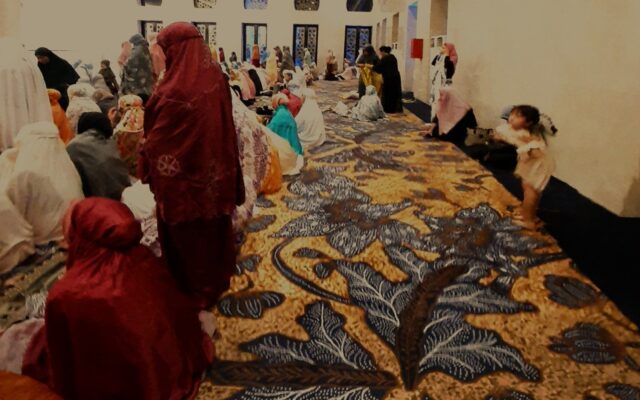
Senegal’s strong Islamic tradition fits Dubai comfortably: mosques are everywhere, halal food is the default, Ramadan is a city-wide rhythm, and Friday prayer is protected time. Families will find schools across a wide fee range, from modest community schools to premium international campuses, and healthcare through both public routes for residents and private clinics across every district. French is a real asset here: Senegal’s francophone background opens doors in hospitality, luxury retail, aviation and customer service roles where French-speaking staff serve tourists and residents, so highlight it in job applications.
Work and Money Realities
Senegalese residents work across trading, logistics, hospitality, security, retail and services, with Deira’s trading houses a long-standing entry point. Salaries vary widely by sector, so judge any offer against Dubai’s real costs: a shared room or bed space keeps housing cheap while you settle, while a family apartment is a major commitment typically running to several thousand dirhams a month depending on the area. Build the habit of sending money home through licensed channels, keep an emergency fund in dirhams if you can, and be wary of anyone offering visas or jobs for cash: legitimate employers arrange work permits themselves.
Making Dubai Feel Like Yours
The residents who settle best treat Dubai as more than a posting: they explore beyond their work district, from the beaches and parks to the old creek, desert trips and the city’s free public events. Learn a little Arabic for warmth, keep English sharp for work, and use French where it gives you an edge. Stay in close touch with Senegal through calls, community news and regular trips home when budget allows, and keep your documents, from passport validity to Emirates ID renewal, ahead of deadlines so small problems never become big ones.
Staying Legal and Settled
A comfortable life in Dubai rests on boring paperwork done on time. Keep your residence visa and Emirates ID renewed through your employer or sponsor, make sure your passport always has good validity remaining, and register important life events, such as a marriage or a new baby, through the proper UAE and Senegalese channels so documents match on both sides. If you change jobs, confirm how your visa transfer, end-of-service benefits and any bank loans or credit cards are handled before your last day. Newcomers should also save the number of a trusted colleague or community elder for emergencies: in a small community, practical help in a crisis is one of the greatest strengths Senegalese residents here offer each other.
FAQ
Is there a Senegalese area in Dubai?
Not a dedicated one. Senegalese and West African residents live across the city, with Deira and other affordable, well-connected districts popular for work, food shopping and community life.
Can I find Senegalese food in Dubai?
Yes, with some searching: African grocers stock key ingredients for home cooking, and African restaurants in older districts serve West African dishes. Ask community networks for current favourites.
Does speaking French help in Dubai?
Yes. French is valued in hospitality, luxury retail, tourism and aviation customer service, and it is worth highlighting on your CV alongside English.
For more expat life and community guides, visit DXB Talk and explore the Lifestyle archive.