Life in Dubai for an expat from Tuvalu is a study in contrasts: ocean replaced by desert light, a tiny close-knit home community replaced by one of the most international cities on earth. The Tuvaluan community in the UAE is very small, so home here is something you build deliberately, through Pacific and wider island networks, faith, sport, food you cook yourself, and a routine that makes room for family on the other side of the world.
Finding Your People Without a Large Home Community
Do not wait to bump into another Tuvaluan by chance; it may not happen. Look instead for the circles where Pacific islanders in the Gulf tend to gather: church congregations with Pacific members, rugby and touch rugby clubs, netball and volleyball groups, and online Pacific expat communities for the UAE and wider Gulf. Fijians form the largest Pacific community in the region, and Tuvaluans often find friendship and familiar humour there, alongside colleagues from work and neighbours from everywhere.
Workplace friendships matter enormously in Dubai because so much social life starts there. Accept the tea invitation, join the shared lunch, and say yes to the first few outings even when you are tired. Within a few months most newcomers have a small, mixed circle that becomes their everyday support, the people who lend a charger, share a taxi and notice if you are unwell.
- Pacific and Fijian community and church networks in the UAE
- Rugby, touch, netball and social sport clubs that welcome new players
- Workplace and accommodation communities in your building or area
- Online groups for Pacific islanders in the Gulf, checked carefully before meeting
- Volunteering and cultural events where small nations are celebrated
Food: Cooking Island Flavours in a Desert City
You will not find a Tuvaluan restaurant or a dedicated island grocery in Dubai, so the taste of home is mostly made in your own kitchen. The encouraging news is that Dubai’s large Filipino, South Asian and African supermarkets stock many familiar building blocks: coconut milk and cream, taro and other root vegetables in some stores, tinned fish, rice and strong tea. Fresh reef fish will differ from home, but local markets sell a wide range of seafood, and learning the Gulf seasons for fish becomes part of the fun.
Cook in batches on your day off, share with Pacific friends, and trade dishes; a shared island-style barbecue in a permitted park area can carry a whole month socially. During Ramadan and other local observances, be mindful of public eating guidance and workplace rules, and take the chance to learn Emirati food too. Hospitality runs deep in both cultures, and being invited to an Emirati home or a colleague’s iftar is a genuine bridge.
Faith, Family and Staying Connected
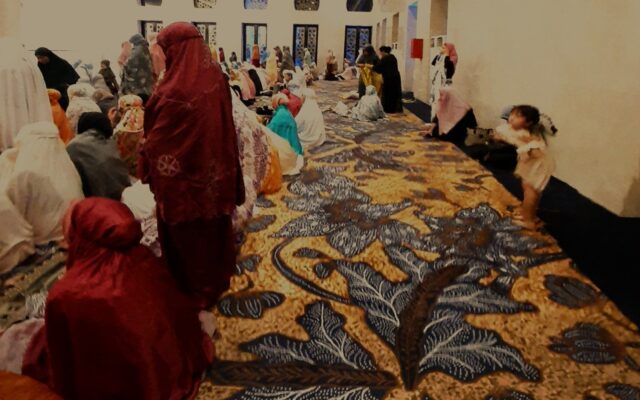
Church life is central for many Tuvaluans, and Dubai has a wide range of licensed Christian congregations meeting in recognised places of worship and other approved venues, including services with Pacific congregations. Check service details through the congregation’s official channels, and arrive early, as popular services fill quickly. For family, plan calls around the large time difference, agree a regular slot that suits both sides, and use group chats for everyday presence rather than saving everything for one long call.
Homesickness tends to arrive after the novelty fades, often around month three, and again when family events happen at home that you cannot attend. Name it, keep routines, and talk to friends here who understand the distance. A planned trip home, even far ahead, gives the year a shape; because the route is long and flights from Fiji are infrequent, book leave and tickets together and early.
Everyday Dubai: Climate, Customs and Costs
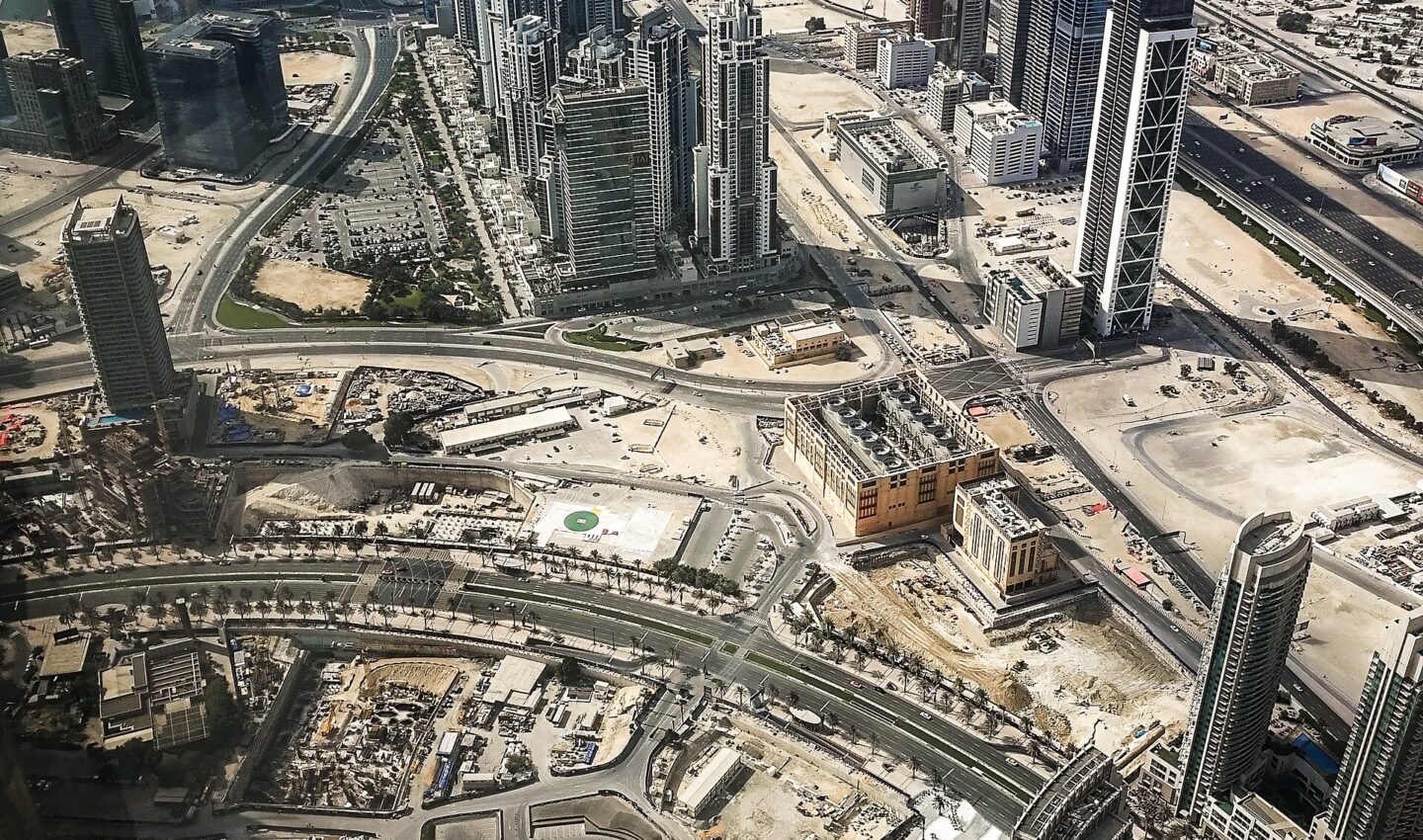
The summer heat is the biggest physical adjustment for everyone, islanders included; sea breeze at home is not the same as very hot desert air. Shift outdoor exercise to early mornings or evenings, use indoor facilities in summer, and take hydration seriously at work, especially in outdoor jobs. In the cooler months, Dubai opens up: beaches, desert trips, outdoor markets and community sport all return, and the city feels generous.
Respect local customs as a guest who plans to stay: modest dress in malls and public offices, care around alcohol and public behaviour, and care with photography of people and official buildings. Financially, the same rule that helps every expat helps Tuvaluans most of all, because family support home is a real commitment: fix a monthly sending amount, save a separate emergency pot in Dubai, and avoid lending arrangements that could strain the small community here.
Building a Life, Not Just a Posting
The Tuvaluans who settle best tend to do three things: they keep one foot in home culture through food, faith and language at home, they invest in Dubai friendships beyond their own nationality, and they give their work a clear purpose, whether that is savings, qualifications or experience to take home. Dubai rewards that approach. You may be one of very few people from your country in the city, which makes you, in a small way, an ambassador every day.
FAQ
Is there a Tuvaluan community association in Dubai?
There is no large established community to assume. Connect through Pacific, especially Fijian, networks, churches and sport clubs, and verify any group through people you know before sharing personal details.
Can I buy Tuvaluan food in Dubai?
Not as a dedicated cuisine, but coconut products, root vegetables, rice and tinned fish are widely available in international supermarkets, which covers most home cooking needs.
How do people cope with the distance from Tuvalu?
A fixed family call routine, Pacific friendships in the UAE, faith community and planning trips home well in advance are the supports most people rely on.
Far from the atolls, home becomes a practice rather than a place, and Dubai gives you the ingredients to keep it alive. For more stories and guides to expat life, visit DXB Talk and browse the Lifestyle category archive.