For Kuwaitis, Dubai is not so much a foreign posting as a second home with better shopping. The two cities share language, faith, food and family ties, the flight is ninety minutes, and many Kuwaiti families have kept apartments, businesses or a standing weekend routine in Dubai for decades. Life here therefore looks different from the classic expat story: less culture shock, more blending of two homes. This guide looks at how Kuwaitis actually live in Dubai — the neighbourhoods, the food, the social rhythm — and how to make the city feel like yours.
Where Kuwaitis Put Down Roots
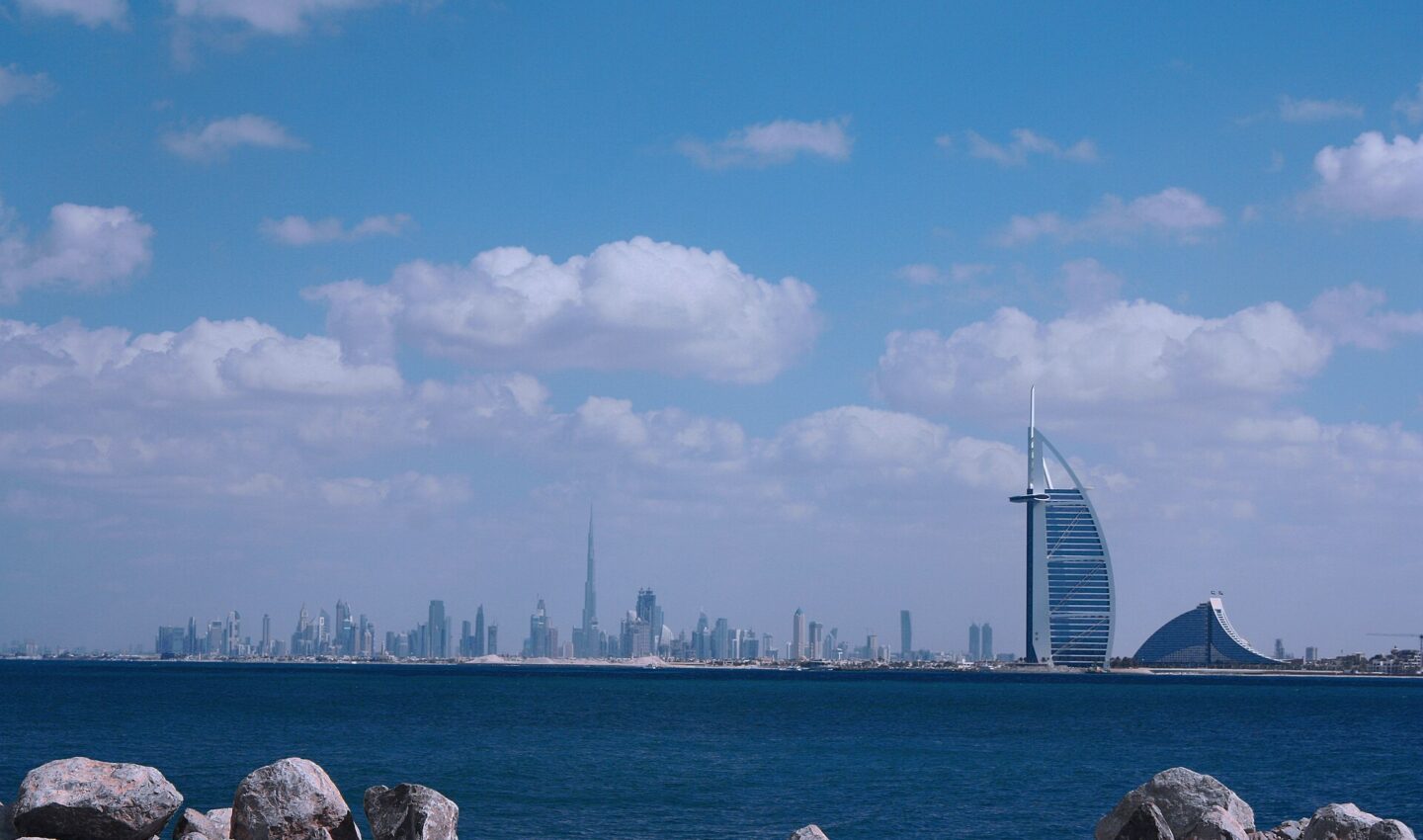
Kuwaiti residents spread across the city, but clear patterns emerge. Families who want space and quiet gravitate to villa districts such as Jumeirah, Umm Suqeim, Al Barsha and Arabian Ranches, where Kuwaiti neighbours are common enough that Arabic is heard as much as English. Apartment living draws people to Dubai Marina, JBR and Downtown for the walkable, serviced lifestyle. A significant number of Kuwaitis own rather than rent — Dubai’s freehold market has long been popular with Gulf buyers — and some households run a genuine two-city life, with the week in Kuwait and long weekends in Dubai, or the reverse for those whose work has shifted south.
Wherever you land, the practicalities are the same: Emirates ID first, Ejari registration for rentals, and schools chosen early, because the American and British curriculum schools Kuwaiti families favour fill their waiting lists fast.
Food: Familiar, With the World Added
Nothing about eating in Dubai requires adjustment for a Kuwaiti palate — machboos, harees and fresh seafood are all here — but the city’s gift is range. Kuwaiti food itself is represented by restaurants and cafes run by Kuwaiti and Gulf owners, and the wider table runs from Levantine and Persian grills to every Asian cuisine worth the name. A few habits of the community:
- Friday family lunches remain the anchor of the week, at home or in the Gulf and Arabic restaurants around Jumeirah and Sheikh Zayed Road.
- Kuwaiti coffee shops and dessert brands have followed their customers to Dubai, so a taste of home is rarely more than a short drive away.
- Ramadan in Dubai is a social season in its own right, with iftar tents and majlis gatherings that feel familiar to anyone from Kuwait.
- Supermarkets stock Kuwaiti and Gulf brands widely; specialty items travel easily in a suitcase on the weekly flights anyway.
Community and Social Life
There is no need for a formal Kuwaiti expat club when half your extended network is a short flight away and the community in Dubai is woven into the city’s Gulf social fabric. Kuwaiti social life here runs through family majlis, business networks, school-gate friendships and the steady traffic of visitors from home — expect your guest room or spare sofa to be in regular use. Kuwait National Day in February is marked across the community and often publicly in Dubai too, with hotels and landmarks joining the celebrations in a gesture that reflects how intertwined the two cities are.
Professionally, Kuwaitis in Dubai cluster in finance, energy, trade, real estate and media, and the business culture will feel instantly legible: relationships first, deals second, and a diwaniya-style patience in negotiation that Dubai’s faster pace does not entirely erase.
The Two-City Life, Done Well
The people who thrive here treat the corridor as infrastructure. They keep bank accounts and phone lines in both countries, choose one carrier’s loyalty programme and stick to it, and plan the school and healthcare decisions around where the family genuinely spends most of its year rather than where the passport sits. Owning in one city and renting in the other is a common, sensible pattern. And because GCC citizens face none of the visa anxiety other expats carry, the biggest risk is administrative drift — an unregistered tenancy, a lapsed insurance policy, a Kuwaiti car kept in Dubai beyond the rules. A short annual tidy-up of paperwork keeps the two-city life as easy as it feels.
FAQ
Do Kuwaitis need a visa to live in Dubai?
No — as GCC citizens, Kuwaitis can generally live and work in the UAE without a residence visa. Confirm current rules on official UAE portals, and complete Emirates ID and tenancy registration once you settle.
Where do most Kuwaiti families live in Dubai?
Villa districts such as Jumeirah, Al Barsha and Arabian Ranches are popular with families, while Dubai Marina and Downtown suit apartment living. Many Kuwaitis also own holiday homes across the city.
Can Kuwaitis buy property in Dubai?
Yes — Kuwaiti buyers purchase freehold property in designated areas on the same terms as other buyers, with registration at the Dubai Land Department. Take independent legal advice before any purchase.
Dubai asks very little adjustment of a Kuwaiti — and gives back a bigger, faster version of Gulf life in return. For more on neighbourhoods, food and everyday living in the Emirates, visit DXB Talk and browse the Lifestyle category archive.