Zabeel is the green, prestigious hinge between old Dubai and the skyscraper city: a district of palaces and parkland, of villa streets and landmark attractions, sitting minutes from both the Creek and the financial centre yet feeling calmly removed from both. It is one of the smallest and most exclusive of Dubai’s districts, and while few people get to live here, everyone visits — for the park, for the views, and for a glimpse of the Dubai of state occasions and ceremony. Here is how the district fits together.
The lay of the land
Zabeel lies immediately inland from Bur Dubai’s eastern edge, wrapped by Sheikh Zayed Road to the south, Al Khail Road to the east and the World Trade Centre district to the west. Its defining feature is green space: Zabeel Park, one of the city’s largest and most loved parks, occupies much of the district, framed by the palace grounds and official residences for which the area is best known. Parts of Zabeel are private or restricted — this is a working seat of government as well as a neighbourhood — and residents and visitors alike simply work around those boundaries.
What defines the district
- Zabeel Park — vast lawns, lakes, sports facilities, barbecue spots and shaded walks between the two halves of the district, linked by footbridges over the highway. It hosts community events and a popular flea and farmers’ market scene in the cooler season, and it is where half of old Dubai seems to gather on winter weekends.
- The Dubai Frame — the enormous golden picture frame standing in the park’s northern reaches, with a glass-floored sky bridge that frames old Dubai on one side and the new skyline on the other. Whatever residents think of its bling, the view from the top is the single best old-versus-new panorama in the city.
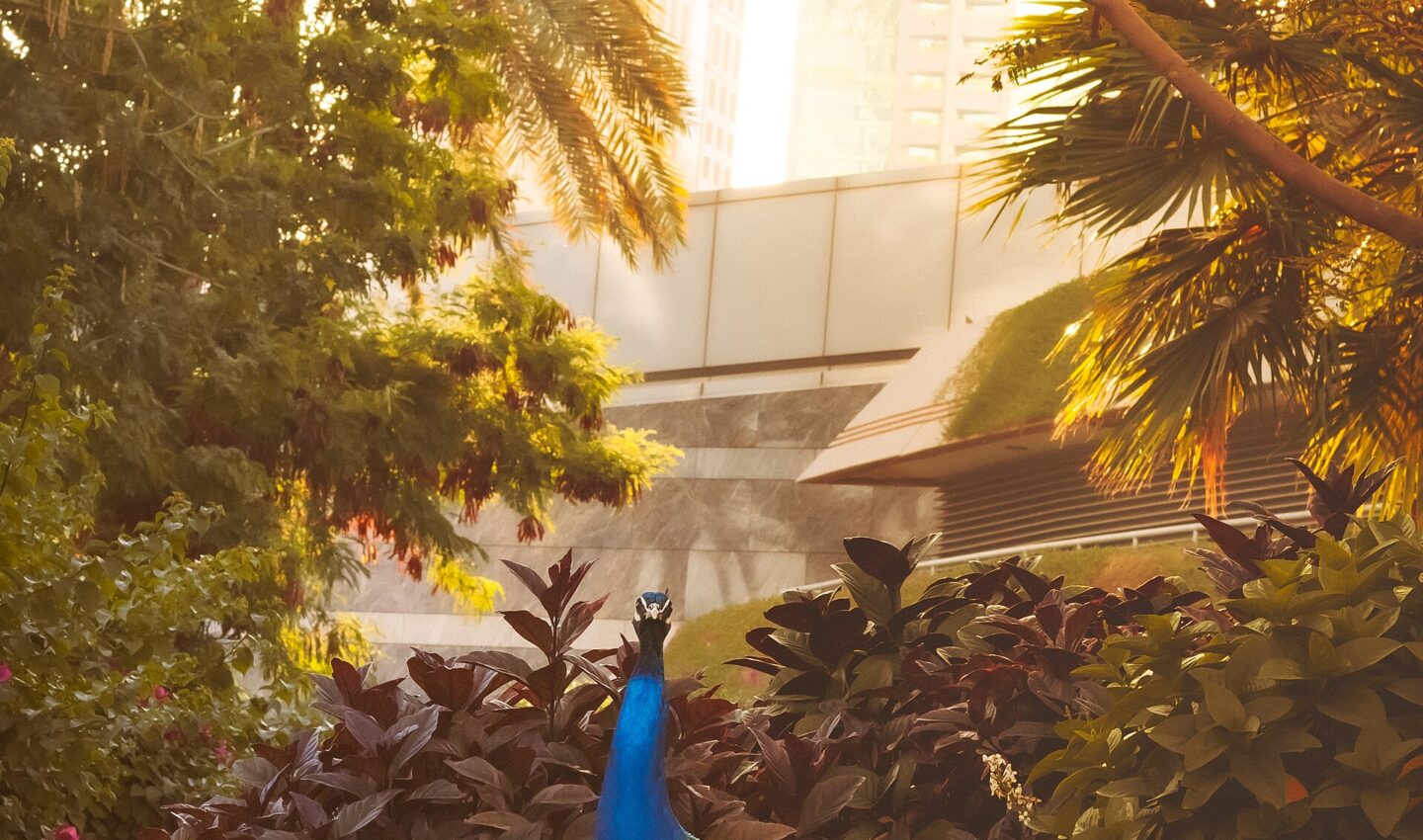
- Palace grounds and official residences — the district is associated with the ruling family’s Zabeel Palace and with government and ceremonial functions. The atmosphere is landscaped, guarded and serene — peacocks are famously said to wander the grounds.
- The residential pockets — villa streets of Zabeel 1 and Zabeel 2 and the Al Kifaf side, home largely to Emirati families and senior officials, interspersed with embassies, clubs and institutions.
What living in Zabeel is like
Honesty first: Zabeel is not a district you simply move to by browsing listings. Housing is predominantly villas, much of it family-held for generations, and the open rental market is small compared with the apartment districts. Those who do live here enjoy an enviable combination — genuine quiet and greenery, with Karama’s shops, Bur Dubai’s schools and clinics, and the World Trade Centre and DIFC offices all within a few minutes’ drive.
For everyone else, Zabeel functions as the city’s shared front garden. Morning walkers circle the park, families claim barbecue spots at dawn in winter, amateur cricket and football fill the pitches, and the Frame’s queue snakes through the northern lawns. The district shows a side of Dubai that visitors rarely expect: not towers or malls, but lawns, lakes and ceremony.
Transport links
Despite its seclusion, Zabeel is plugged straight into the city’s arteries. Sheikh Zayed Road and Al Khail Road carry it to Downtown, DIFC and Business Bay in minutes, and the Creek bridges and the old city are equally close via the roads around the World Trade Centre and Al Jafiliya. The Red Line skims the district: the stations at Al Jafiliya (Max) and the World Trade Centre put the park’s edges within walking distance, and the Green Line at Oud Metha serves the eastern side.
Buses run along the bounding roads, and taxis are plentiful around the park entrances and the Trade Centre. If you are visiting the Frame or the park, the Metro-plus-a-short-walk combination is usually the least stressful option on busy winter weekends, when the car parks fill early. Check Dubai Municipality and the Frame’s official channels for current opening arrangements and park event schedules.
Who Zabeel suits
As a home, Zabeel suits the fortunate few with access to its villa market — families wanting prestige, privacy and parkland at the city’s centre. As a district to know and use, it suits everyone: it is Dubai’s picnic ground, its ceremony quarter and its best old-meets-new viewpoint. Include it in your mental map of the city not as somewhere to house-hunt, but as the green drawing room where the whole emirate relaxes.
Making a day of it
Zabeel is best experienced as part of an old-meets-new day out. Start with a morning in the park while the air is still kind — the lawns, the lake, perhaps a cycle around its paths — then go up the Frame late in the afternoon, when the light flatters both the minarets of the old town and the glass of the new. From the sky bridge, look north to the Creek where Dubai began and south to the towers it became; no single spot explains the city better. Afterwards, Karama’s famous eateries and Bur Dubai’s souks are minutes away for dinner and a wander. In the winter season, check the park’s event listings before you go — markets, runs and community festivals regularly take over its lawns, and the district hums with a warmth that has nothing to do with the weather. However you spend your hours here, leave a little time just to sit on the grass and watch the city go by — Zabeel has been inviting Dubai to do exactly that for generations, and it remains very good at it.