This is a practical guide to life around Souk Al Bahar — written for people who live here, not visitors passing through. It covers the systems you will deal with, the documents and decisions that matter, and the mistakes that cost residents time and money, in the order you will actually meet them.
What Souk Al Bahar is for residents
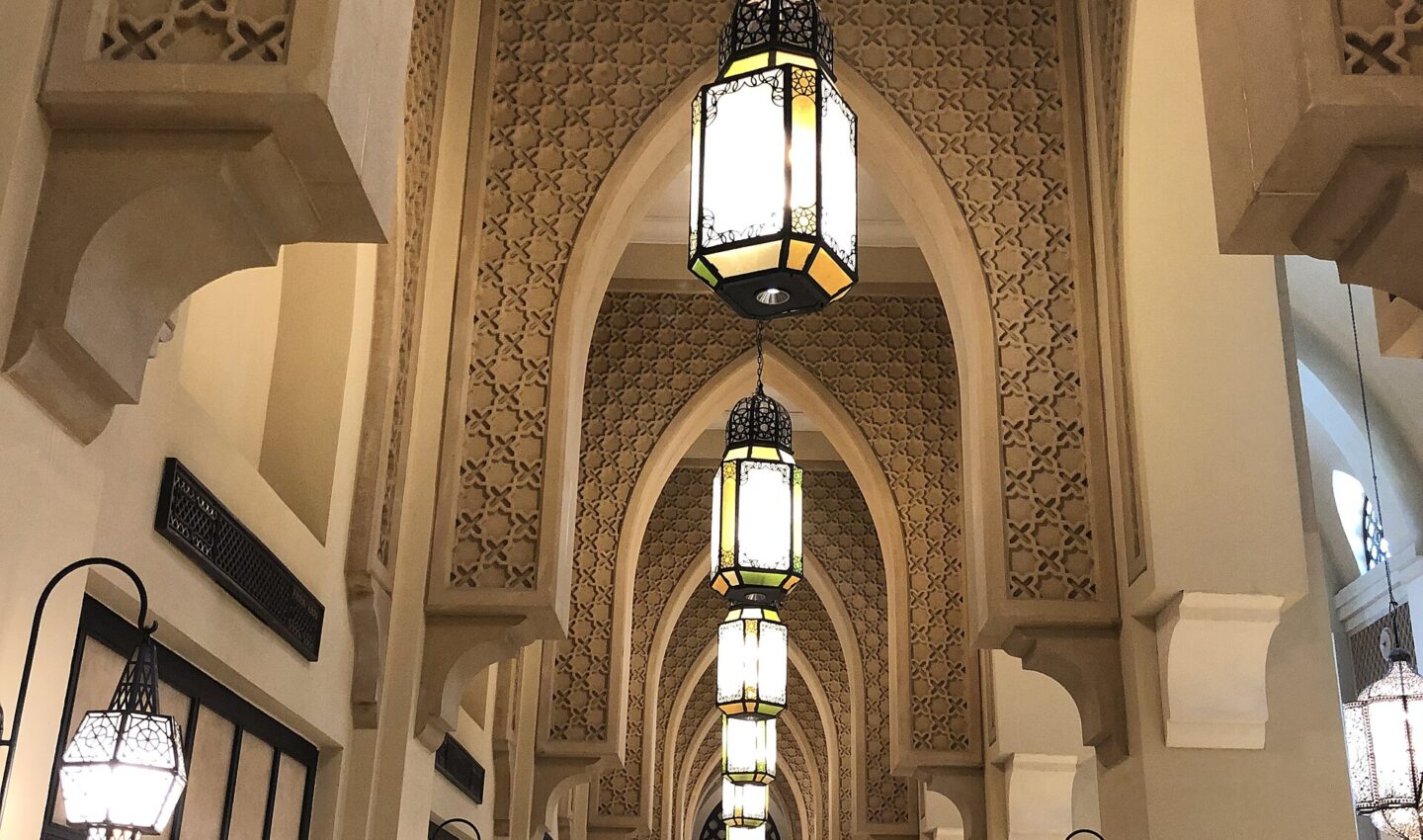
Souk Al Bahar is the Arabian-style souk mall across the bridge from Dubai Mall, built for fountain-view restaurants. For people who live nearby, a mall like this is infrastructure, not entertainment: the weekly shop, the pharmacy, the phone repair, the tailor, the bank branch and the air-conditioned walking route in summer. This guide treats Souk Al Bahar the way residents use it — anchor stores and services first, the leisure layer second.
Know its anchors: the supermarket that sets the weekly rhythm, the cinema or family entertainment that fills weekends, and the two or three food options your household actually repeats. Every Dubai mall has a resident pattern distinct from its tourist pattern — the residents park in a different place, arrive at different hours and use different doors.
Shopping, food and services
The retail mix follows the brand ladder of its district: flagships and luxury at the top malls, high-street and value chains at the community malls. Food runs from the food court (the working lunch of the district) to the licensed or view-led restaurants that host the occasion dinners. Practical services are the underrated layer — government service points, telecom stores, courier counters, clinics and nurseries sit inside most established malls, and a single Saturday trip can clear a week’s errands.
Sales seasons are real events in Dubai retail: the Dubai Shopping Festival (winter) and summer surprises bring genuine discounts, and residents time electronics, furniture and wardrobe purchases to them. Join the mall and anchor-store loyalty apps if you shop there monthly — points and member prices compound quietly.
Living nearby: the trade-offs
Living near Souk Al Bahar buys convenience and rents it back in traffic: weekend and sale-season congestion around mall entrances is the standing cost, and residents learn the back routes and the off-peak hours. The upside compounds daily — school supplies at 9pm, a pharmacy in five minutes, a cinema in the rain, and a summer walking venue when the pavements are lava.
If you are choosing housing by this mall, walk the route at the hour you would use it and check which entrance your life actually uses. In Dubai, proximity is measured in doors, not metres.
Getting help: official channels and community knowledge
Two kinds of help exist and they are good at different things. Official channels — the authority’s app, call centre and service centres, plus licensed service centres such as Amer and the typing centres — own the rules and the transactions. Community knowledge — the residents’ groups for your district, school or nationality — owns the lived detail: which branch is efficient, which counter to ask for, what the process felt like last month.
Use them in that order for anything with legal or financial weight: official source for the rule, community for the texture. Be wary of any individual who offers to bypass an official step for a fee — in a city this digitised, the bypass is usually a detour into a scam the authorities warn about by name.
What has changed recently
Dubai’s systems are revised constantly — fees, channels, even whole authorities get restructured, and processes that lived at a counter last year live in an app this year. Treat every guide, including this one, as a map that needs a final check against the live territory: the authority’s current page, the app as it stands today. The residents who never get caught out are the ones who verify the last step, every time, even when they have done it before.
Common questions
What is the most common mistake?
Acting on out-of-date advice. Systems here change yearly; a friend’s experience from a previous contract or a previous visa is a starting point, not a rule. The second most common mistake is paying an intermediary for a step the official app handles directly.
Where can I double-check the current rules?
On the official channel for the authority involved — its website, app or service centre — because fees, hours and procedures for life around Souk Al Bahar are updated by official decision and summaries like this one age. Verify the step you are about to pay for, on the day you pay for it.
What is the most common mistake?
Acting on out-of-date advice. Systems here change yearly; a friend’s experience from a previous contract or a previous visa is a starting point, not a rule. The second most common mistake is paying an intermediary for a step the official app handles directly.
Where do residents get reliable local detail?
Community groups for your district, school or workplace hold the lived detail — which branch is quick, what the process felt like last month. Combine that texture with the official source for the rule itself, and you have the full picture.
The bottom line
The pattern underneath life around Souk Al Bahar is the pattern underneath most of Dubai life: the systems work, the paperwork is the price, and preparation is the discount. Do it once, properly, and you join the residents who find this city easy. More step-by-step resident guides live at dxbtalk.com.