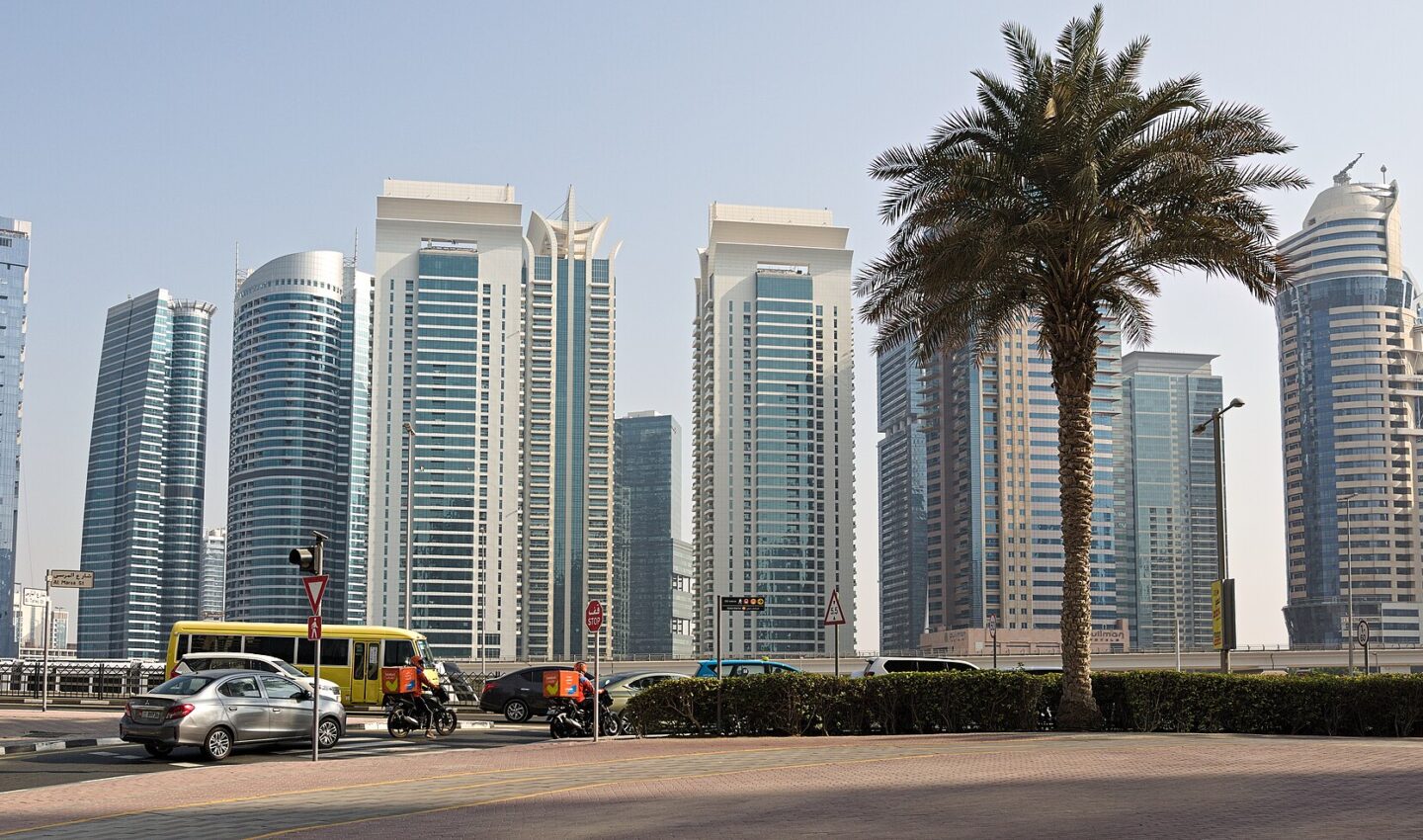
Satwa, just south of Jumeirah and west of Bur Dubai, is one of the older, most characterful rental pockets in the city, with low-rise buildings, busy villa streets, tailors, fabric shops and cafeterias on almost every corner. Rents are typically lower than in newer districts, but the buildings are older too, so a careful check of the contract, the utilities and the unit itself matters more here than in a brand-new tower.
What Satwa living actually feels like
Satwa is walkable in a way few Dubai neighbourhoods are. The main roads around Al Satwa Road and 2nd December Street are lined with small shops, bakeries, money exchanges and South Asian and Filipino restaurants that stay open late. Many residents do their daily shopping on foot and use taxis or the bus for longer trips. The housing stock is a mix of older apartment blocks, shared villas that have been converted into family units, and a small number of newer buildings near the edges of the area.
Because the area is established, you will find long-term tenants who have lived in the same building for years, which is usually a good sign. Noise can be an issue on the main commercial streets, so if you are sensitive to traffic, look at units on the quieter internal roads a few streets back. Air conditioning is often provided by window units or older split systems rather than central chiller, so ask who pays for servicing and how quickly repairs are handled.
The contract and Ejari checks that matter most
Every tenancy in Dubai should be registered on Ejari, and Satwa is no exception. Before you sign, confirm the landlord named on the contract matches the title deed, and that the agent, if you are using one, holds a valid RERA permit. Read the maintenance clause carefully: in older buildings, disputes most often arise over who pays for AC repairs, plumbing and appliance fixes.
- Title deed or landlord ID matching the contract name
- Ejari registration certificate, issued in your name after signing
- Clear clause on major versus minor maintenance and who pays for each
- Number of cheques and the exact rent for the full term, in writing
- Notice period for renewal and for early exit, with any penalty stated
- Security deposit amount, typically around 5 percent of annual rent as a guide
Rent levels in Satwa vary widely by building age and street, so treat any figure an agent quotes as a guide only and compare at least three similar units before deciding. Always check the current rules and fees on the official Dubai Land Department and Ejari portals before you transfer money.
Utilities, parking and daily practicalities
DEWA is usually in the tenant’s name, and you will need your Ejari and tenancy contract to activate it. In some older Satwa buildings, water or electricity arrangements differ, so get the arrangement in writing before move-in day. Chiller, where it exists, may be billed separately. Parking is the other point to settle early: many buildings have limited or no allocated parking, and street parking nearby can fill up in the evenings. If you drive, visit at night and see the real situation for yourself.
Internet installation is straightforward with the main providers, but older buildings can have slower internal wiring, so ask existing tenants about speeds if you work from home. Also check the water pressure on upper floors, the condition of window seals against dust, and whether the building has a working lift and a watchman.
Viewing checklist for older buildings
View the exact unit you will rent, not a similar one, and go twice if you can, once in the day and once in the evening. Run every tap, flush the toilets, switch on every AC unit and let them run for ten minutes, and open the kitchen cabinets to check for signs of pests, which older buildings can struggle with. Photograph the meter readings and any existing damage on move-in day and share the photos with the landlord or agent the same day.
Finally, talk to a neighbour if you get the chance. A two-minute conversation about maintenance response times and building management will tell you more than any listing. If the building is well kept, the corridors are clean and the landlord registers Ejari without hesitation, Satwa can be excellent value for money.
FAQ
Is Ejari mandatory for a Satwa tenancy?
Yes. Ejari registration is required across Dubai and you will need it for DEWA activation, visa-related paperwork and any tenancy dispute, so insist on it before or immediately after signing.
Are rents in Satwa cheaper than nearby areas?
Typically yes, as a guide Satwa is usually more affordable than Jumeirah or Downtown, but prices depend heavily on building condition. Compare similar units and check current listings before you commit.
What should I check about parking?
Ask whether the unit includes an allocated space and visit in the evening to see street parking pressure. Get any parking promise written into the contract or an addendum.
For more practical guides for residents across the city, visit DXB Talk and browse the full Dubai Areas archive for related reading.