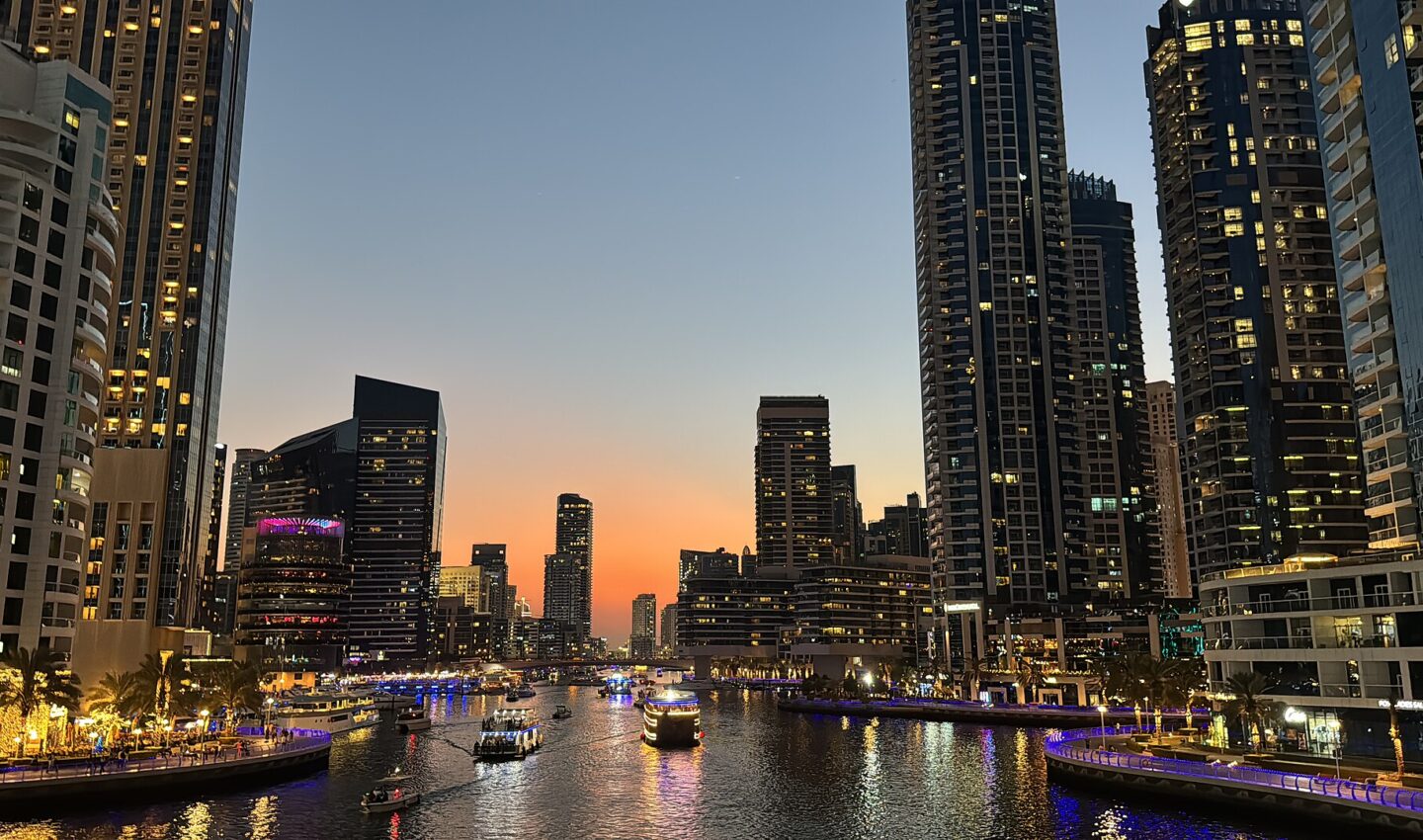
Moving to Jumeirah is moving to classic coastal Dubai: low-rise villas, beach access minutes away, and established schools, clinics and supermarkets along Al Wasl Road and Jumeirah Beach Road. It is also one of Dubai’s pricier and more varied areas, split into Jumeirah 1, 2 and 3, where one street can hold a modest older villa and the next a brand new luxury build. A clear checklist will help you handle contracts, utilities and settling in without missing the details that matter in a villa community.
Before you sign: villa checks that matter
Most homes in Jumeirah are villas, rented directly or through agents, with some low-rise apartments near the edges. Inspect more carefully than you would a new apartment. Check air conditioning units room by room, water pressure and heaters, garden irrigation, pool equipment if included, and the condition of kitchens and bathrooms in older properties. Ask who maintains the garden and pool, how often, and whether those costs are included in rent. Villa rents are typically paid in one to four cheques per year as a guide, and you should verify current market levels on property portals and the RERA Rental Index before negotiating.
Confirm these points in writing before signing:
- Ejari registration responsibility and timeline, plus title deed and landlord ID copies
- Maintenance threshold: which repairs the landlord covers and which are yours
- Number of parking spaces, maid’s room and storage, as described in the contract
- Notice period, renewal terms and any community or service charges
- Whether the villa is in a freehold or lease area and any community rules that apply
Move-in week: utilities and essentials
Once Ejari is registered, set up DEWA for electricity and water in your name, which for villas can mean higher summer bills due to air conditioning, garden and pool use, so budget accordingly and check the official DEWA portal for current deposit and connection guidance, as amounts are in AED and vary by property type. Arrange internet and TV through du or Etisalat by e&, allowing a few days for activation and a home visit if cabling is needed. If your villa uses bottled gas or a water tank and pump system, ask the landlord or agent who the current suppliers are and keep their numbers.
Change your address details where needed, arrange contents insurance, and photograph the villa’s condition at handover with the agent present. Test gates, garage doors, intercoms and external lighting on the first evening, as villa security is your responsibility more than in a tower with a concierge.
Settling in: schools, health and daily life
Jumeirah is exceptionally well served. Primary and secondary schools with British and other curricula are located in and around Jumeirah and Umm Suqeim, and KHDA ratings and admissions should be checked early as waiting lists are common. Clinics, dental practices and pharmacies line Al Wasl Road, with hospitals in Umm Suqeim and Healthcare City for specialist and emergency care. In an emergency, call 998.
For daily life, you will quickly find your routine: supermarkets and bakeries on Al Wasl Road, beach entry points and kite beach facilities, and Boxpark, City Walk and Mercato Mall for shopping and dining. Traffic on Beach Road slows at school times and weekends, and there is no metro station inside Jumeirah itself, so most households rely on cars, school buses and taxis. Factor a car, or a realistic taxi budget, into your move from the start.
First month: community and home routines
Introduce yourself to neighbours, join Jumeirah community groups online for reliable recommendations on maintenance, pest control and domestic help, and arrange regular AC servicing before summer if it is not covered. Villa living brings small jobs tower residents never see, from irrigation timers to pool cleaning schedules, so build a simple monthly checklist. Register with a local clinic and vet if you have pets, noting that many Jumeirah families walk dogs early and late to avoid heat, and always follow beach and park rules for animals.
FAQ
Is Jumeirah suitable without a car? It is difficult for most households. Buses and taxis serve Beach Road and Al Wasl Road, but schools, shopping and visits usually involve driving.
Are villas in Jumeirah furnished? Most are unfurnished, sometimes with wardrobes and appliances. Confirm the exact inventory in the contract and handover report.
How many rent cheques are normal? One to four cheques is common as a guide, with fewer cheques sometimes securing a better rent. Agree the schedule and post-dated cheque details carefully.
Jumeirah rewards the extra effort of villa life with space, sea air and a settled community feel. Plan your next steps with guides on DXB Talk and compare nearby areas in our Dubai Areas section, including Umm Suqeim and Al Wasl.