Dubai runs on systems, and living near GGICO station sits at the crossing of several of them. Get the sequence right and it is a morning’s work; get it wrong and it follows you for months. Here is the sequence, the paperwork, and the local knowledge that turns a bureaucratic obstacle course into a routine errand.
Costs: how to think about the money
Resist any single quoted figure for living near GGICO station — including from well-meaning friends. Costs here split into official fees (published, fixed, and worth checking on the authority’s own schedule rather than through an intermediary), market prices (negotiable, seasonal, and different by district), and the hidden third category: the cost of doing it in the wrong order, which usually arrives as a second fee, a second trip or a second deposit.
Build your budget from three live quotes wherever the market is involved, add a contingency you genuinely keep untouched, and treat ‘cheap’ offers that skip official steps as the most expensive option on the table. In Dubai the boring, receipted route is almost always the cheapest route by the end of the year.
Timing: when to do what
Timing shapes outcomes here more than most cities. The working week runs Monday to Friday, government counters are calmest early in the morning, and the calendar bends around Ramadan (shorter official hours, slower processing, evenings that come alive) and the summer months, when decision-makers travel and some processes stretch. School, tenancy and visa cycles interlock: a September school start implies a spring application, a summer tenancy signing and documents attested before either.
Plan backwards from the date that cannot move — the lease start, the school term, the visa expiry — and put your own deadlines a fortnight ahead of the official ones. The residents who glide through Dubai’s systems are not better connected; they are simply earlier.
The station and its patch
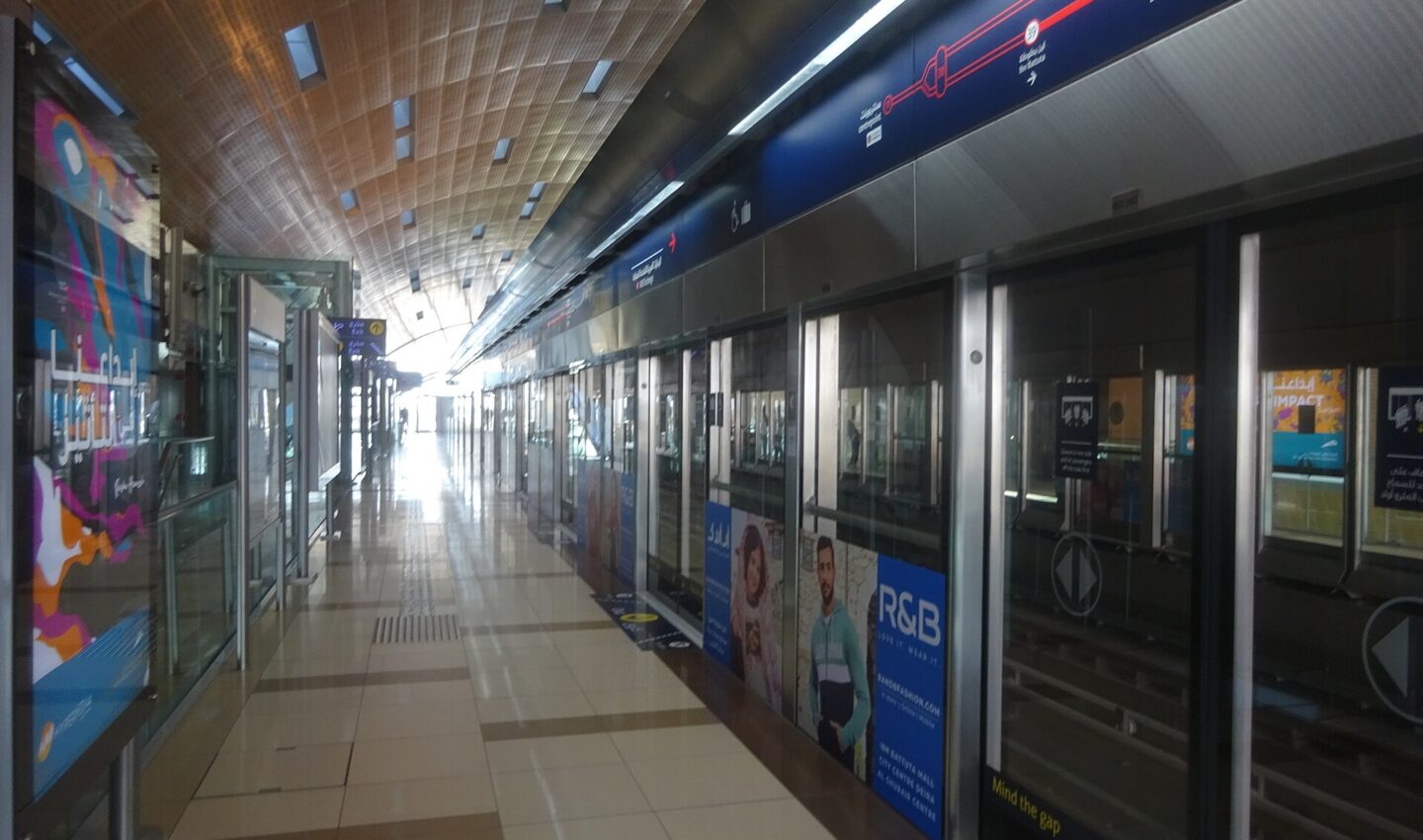
GGICO is a Red Line station in Al Garhoud serving the residential blocks between the airport and the Creek. For residents, a metro station is not just transport — it anchors the local housing market, the bus routes and the daily walking radius. The patch around GGICO station has its own character: the housing within a ten-minute walk trades at a premium for the access, and the streets near the station carry the coffee shops, groceries and services that commuters use twice a day.
Nol cards work across metro, tram, buses and paid parking, and the S’hail app plans the whole journey door to door. From GGICO, feeder buses extend the station’s reach into the surrounding neighbourhoods — learn your feeder route numbers early, because they define which ‘near the station’ addresses are actually convenient.
The area beyond the platform
Judge the GGICO area by the walk, not the map: pavement continuity, shade, safe crossings and what is open at the hour you come home. Station areas in Dubai have been filling in with mid-rise housing, clinics, gyms and supermarkets precisely because residents pay for the convenience — the newer the cluster, the more complete the daily-life layer tends to be.
For renters, ‘near GGICO station’ in a listing can mean anything from two to twenty minutes — verify with your own feet, in the heat, with the route you would actually walk. That single test is worth more than every photograph in the advert.
Keeping records like a resident
Long-term Dubai residents share one unglamorous habit: a records folder, physical or digital, containing the ID, the tenancy, the key contracts, the insurance cards and the last few official receipts for everything. It sounds excessive until the day a bank, a school or an officer asks for a document from two years ago — which, in this city’s joined-up bureaucracy, is a day that reliably comes. Build the folder as you go; reconstructing it afterwards is the painful version.
Common questions
Where do residents get reliable local detail?
Community groups for your district, school or workplace hold the lived detail — which branch is quick, what the process felt like last month. Combine that texture with the official source for the rule itself, and you have the full picture.
Can I do most of this online?
Mostly, yes — Dubai has moved the majority of resident transactions into official apps and portals. The steps that still need your presence are usually biometrics, medicals, signatures and original-document sighting. Start online, and attend in person only for the step that requires your body.
What is the most common mistake?
Acting on out-of-date advice. Systems here change yearly; a friend’s experience from a previous contract or a previous visa is a starting point, not a rule. The second most common mistake is paying an intermediary for a step the official app handles directly.
Where do residents get reliable local detail?
Community groups for your district, school or workplace hold the lived detail — which branch is quick, what the process felt like last month. Combine that texture with the official source for the rule itself, and you have the full picture.
The bottom line
Handled in the right order, living near GGICO station is a solved problem — thousands of residents do it every month. Prepare the documents, use the official channels, keep your records, and it becomes one more piece of Dubai admin that quietly stays done. This guide is part of DXB Talk’s resident library at dxbtalk.com, where the guides interlock the way the systems do.