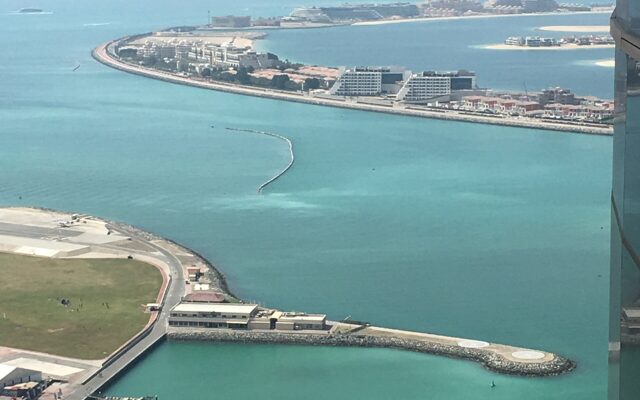
Life in Dubai for people from Turkmenistan has a particular shape: the community here is small, there is no busy Turkmen social scene to walk into, but the city itself is welcoming, safe and full of Central Asian threads if you know where to look. Most Turkmen residents build their circle from colleagues, neighbours and the wider Russian-speaking and Central Asian communities, and create their taste of home in their own kitchen, with ingredients sourced from a handful of well-chosen shops.
A small community, and how to find your people
Unlike nationalities with tens of thousands of residents in Dubai, Turkmen expats number far fewer, so community life is personal rather than institutional. Friendships usually start at work, in residential buildings, or through introductions from other Central Asian families. Russian is widely spoken among Turkmen professionals, which opens the door to a much larger social world: Russian-speaking community groups, cultural events and business networks across Dubai are active and generally welcoming to Central Asians.
Online, look for Central Asian and Russian-speaking expat groups for Dubai on the main social platforms, and check cultural centres and language institutes for events. Start small: a shared meal, a football game, a Nowruz celebration in spring, which many Central Asian families in the city mark together. Because the community is small, reputations travel fast and people look out for each other; newcomers often find that one good connection quickly becomes five.
Food from home: plov, manti and honest substitutes
You will not find a street of Turkmen restaurants in Dubai, but you can eat very well with a little local knowledge. Uzbek and Central Asian restaurants serve plov, manti, lagman and grilled meats that come close to home cooking, and Azerbaijani and Russian restaurants cover more of the same ground. For a celebratory meal out, expect to pay around AED 60 to AED 120 per person at a good Central Asian restaurant, as a guide.
- Uzbek restaurants are the closest everyday substitute for Turkmen dishes like plov and manti
- Russian and Eastern European shops stock familiar pickles, grains, dairy and sweets
- Large Middle Eastern supermarkets cover lamb, rice, dried fruit and spices for home cooking
- Green herbs, melons and seasonal fruit are plentiful; summer melons are a real pleasure here
- Trips home double as supply runs for the specific teas and treats you miss most
Most Turkmen home cooking adapts well to Dubai ingredients. Flatbreads similar to chorek are sold in Afghan and Central Asian bakeries, halal meat is the norm everywhere, and dried apricots, raisins and nuts for ash and festive dishes are sold in the spice souks and supermarkets alike. Many families say their Dubai kitchen ends up more Turkmen than expected within a few months.
Daily life: climate, costs and rhythms
Coming from Turkmenistan’s continental climate, Dubai’s humidity is the real adjustment, more than the heat itself. Summers push life indoors from roughly May to September, then the cooler months bring beach days, desert trips and outdoor markets. Dress codes are relaxed in most modern settings while remaining modest in official and traditional places, and Turkmen residents generally find the cultural environment, family-oriented, respectful of religion and privacy, comfortable to live in. Alcohol is only available in licensed venues, pork products are sold in separate sections of some supermarkets, and during Ramadan the city’s rhythm slows in a way that will feel familiar in spirit.
Budget honestly. Rent will be your biggest cost, typically paid in a few large cheques across the year, and schooling and healthcare arrangements vary by employer. The absence of income tax helps salaries stretch, but only if housing is chosen with discipline. Many Central Asian families pick established residential districts with good-value rents and Metro access for their first years, then reassess once they know the city.
Keeping the link with home strong
Distance is felt most in the practical things: flights home are limited and need early planning, and sending money or parcels takes more organising than for bigger communities. Video calls carry a lot of family life, and most people plan one or two longer trips home a year around work leave and the best travel windows. Children growing up in Dubai usually attend international schools, so families put extra effort into language and culture at home: Turkmen spoken at the table, home dishes on weekends, and stories and music that keep identity rooted. The reward is a genuinely bicultural childhood, with Dubai’s opportunities in one hand and Turkmen heritage in the other.
FAQ
Is there a Turkmen community organisation in Dubai? The community is small and informal, organised mainly through personal networks and wider Central Asian and Russian-speaking groups. Check community listings and cultural event pages, and connect through colleagues when you arrive.
Where can I find Central Asian food in Dubai? Uzbek and Central Asian restaurants cover the closest dishes, and Russian and Eastern European food shops stock familiar ingredients. Large supermarkets and souks supply the rest for home cooking.
How do families keep Turkmen language and culture alive for children? Most rely on home life: speaking Turkmen daily, cooking traditional food, celebrating Nowruz and family occasions, regular video calls with grandparents, and longer summer trips home when possible.
Discover more community stories, food guides and settling-in advice at DXB Talk, and browse our Lifestyle section for life in Dubai beyond the paperwork.