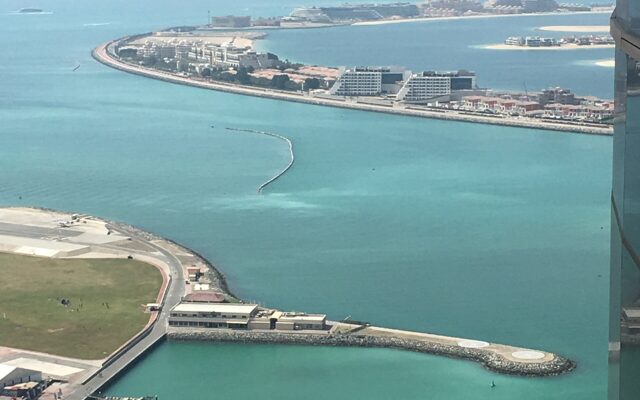
Life in Dubai for expats from Trinidad and Tobago is a study in contrasts: the liming, music and warmth of home set inside a glittering desert city that runs on schedules and shopping malls. The Trinidadians who thrive here tend to build their own version of home — a church or mosque community, a cricket or fete circle, a kitchen stocked with the right peppers and seasonings — while enjoying what Dubai does brilliantly: safety, opportunity and a hundred cultures on your doorstep.
Finding your people: Caribbean community in Dubai
The Caribbean community in the UAE is modest in size but warm and well connected, drawing together Trinidadians, Jamaicans, Bajans, Guyanese and others through social groups, church networks, cricket teams and food events. Search social media for Caribbean and Trinidadian groups in Dubai, ask colleagues in aviation, hospitality, energy, healthcare and education — all sectors where Caribbean professionals are present — and follow community event pages for Independence Day celebrations, food pop-ups and sports days. Because the community is spread across the city rather than concentrated in one district, friendships are made by showing up regularly to the same few gatherings until faces become friends.
Cricket is a natural meeting ground, with leagues and casual games across the Emirates, and football and gym communities fill the rest of the week. If you play mas or love soca, Carnival season is when the community becomes most visible, with fetes and music events organised by promoters — book early, as the good ones sell out among homesick Caribbean crowds.
Food: cooking Trini in a Dubai kitchen
Home cooking is where most Trinidadians protect their culture. Larger hypermarkets stock plantain, dasheen bush substitutes such as spinach, okra, scotch bonnet-style chillies, coconut milk and a wide range of lentils and rice, while Caribbean and African specialty shops and online grocers — stock changes often, so ask in community groups for current favourites — supply items such as sorrel, mauby ingredients, tamarind, channa and specific seasoning blends. Pelau, curry goat, doubles-style channa, callaloo-inspired greens and Sunday macaroni pie all adapt happily to Dubai ingredients once you find your pepper and seasoning sources.
- Stock up on imported seasonings and sauces when you travel home — they are light and transform everyday cooking
- Explore Deira, Satwa and Karama food shops for Caribbean, African and South Asian staples at fair prices
- Share bulk imported orders with other Caribbean families to split shipping costs
- Host potluck Sundays — Trini gatherings grow around food faster than any other invitation
As a guide, home cooking for one typically costs around AED 900–1,400 a month, with imported specialties on top. Restaurant Caribbean food exists in pockets and at pop-ups rather than on every street, so community cooking remains the heart of food life here.
Faith, family and fitting into Dubai life
Trinidad and Tobago’s mix of Christian, Muslim, Hindu and other traditions maps comfortably onto Dubai, which has licensed churches, mosques everywhere and Hindu temples, each with active congregations — check each community’s own channels for service times and locations. Families value Dubai’s safety and schooling options, though school fees are a major budget line that varies widely by curriculum and area. Video calls home work well, but plan around the time difference — Dubai is typically eight hours ahead of Trinidad and Tobago — so weekend calls often suit both sides best.
Respect for local customs keeps life smooth: dress modestly in public and government settings, keep public affection discreet, observe Ramadan etiquette in public during the holy month, and remember alcohol is limited to licensed venues and private use by non-Muslim adults. Within those lines, Dubai is relaxed and social, and Trinidadian warmth is genuinely appreciated in workplaces and neighbourhoods alike.
Money, heat and the long view
Two adjustments dominate the first year. The first is summer: temperatures far beyond a Port of Spain afternoon, when life moves indoors, exercise shifts to dawn and the gym, and cooling bills push a small flat’s utilities to typically around AED 400–800 a month. The second is money discipline in a city designed for spending — set your remittance and savings amounts when salary lands, as many Trinidadians do to support family at home, and treat brunches and malls as occasional pleasures. Rent, typically paid in a few cheques a year, is the anchor cost: studios in value areas start from around AED 2,200–3,200 a month as a guide.
Keep your official life tidy — Emirates ID, insurance, tenancy registered with Ejari, and verified consular contacts saved, since Trinidad and Tobago’s support for the UAE may be provided by a mission outside Dubai. Confirm that route through the official foreign ministry listings before you ever need it.
FAQ
Is there a Caribbean community in Dubai?
Yes — small but active, built around churches, cricket, Carnival events and food gatherings. Community social media groups are the fastest way to find current meetups.
Can I find ingredients for Trini cooking?
Mostly, yes. Hypermarkets cover fresh staples and specialty shops and community suppliers cover seasonings and imports. Bring favourite sauces and blends back from trips home.
What is the hardest adjustment for Trinidadians?
Summer heat and being far from family are the common answers, along with the time difference for calls. A strong local circle and regular home contact make the biggest difference.
Dubai will not replace home — but with good food, good people and a plan, it becomes a second home with its own rewards. Discover more about neighbourhoods, costs and community life at DXB Talk and in the Lifestyle archive.