Spanish expats often say Dubai surprises them twice: first with how international and easy daily life feels, and then with how much they miss small things — a proper tortilla, a late-evening paseo, conversation in Spanish. The good news is that a well-established Spanish community, Spanish restaurants and import shops make those touches of home easier to find here than in many cities.
The Spanish Community and Social Life
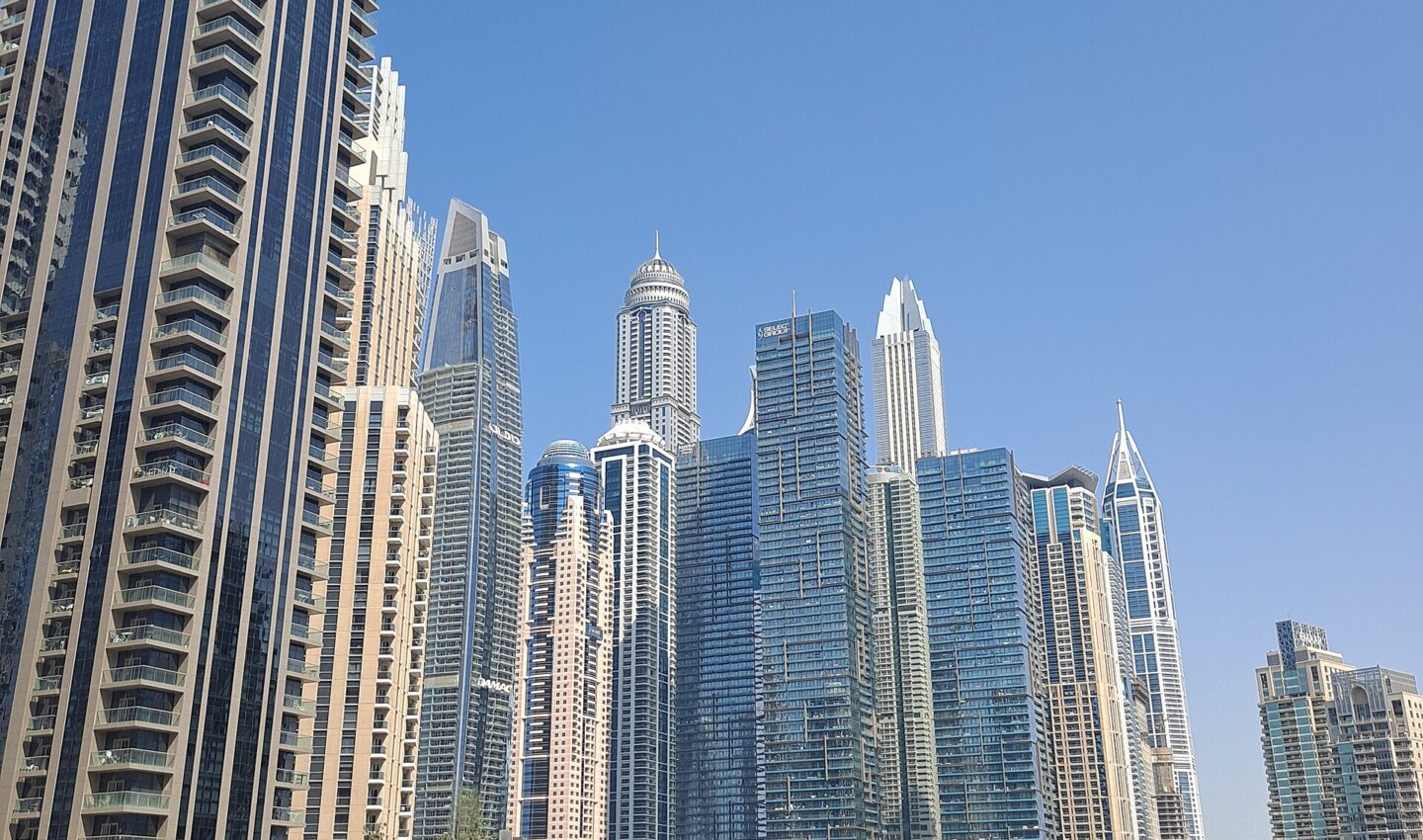
Spaniards in Dubai work across aviation, hospitality, engineering, architecture, education, healthcare and trade, and community life flows through a mix of informal groups, business councils, school parent networks and social media communities. Spanish business and cultural organisations active in the UAE organise networking and social events, and Spanish restaurants and bars become natural meeting points, especially around major football matches. Because the community is spread across the city, most social life is planned — brunches, beach days, padel (hugely popular in Dubai and familiar to any Spaniard) and home dinners — rather than centred on one neighbourhood. Areas popular with Spanish families include Dubai Hills, Arabian Ranches, JVC and the Springs, while younger professionals cluster in JLT, the Marina and Business Bay.
Food: Restaurants, Shops and Cooking
Dubai has a genuine Spanish food scene, from tapas bars and paella restaurants in hotels and dining districts to casual spots serving bocadillos and churros; quality varies, so community recommendations are gold. For home cooking, large supermarkets stock Spanish olive oil, olives, tinned seafood, Manchego and other cheeses, jamón where licensed outlets stock it, saffron and pimentón, with specialty importers carrying wider ranges at a premium, particularly around Christmas for turrón and marzipan. Note that pork products and alcohol are sold only through licensed outlets and venues in the UAE and are subject to local rules — residents quickly learn which supermarkets have the licensed section and which restaurants are licensed.
- Tapas and paella restaurants recommended through community groups
- Imported olive oil, cheese, olives and saffron in major supermarkets
- Padel clubs and five-a-side football as easy social entry points
- Spanish-language meetups, book swaps and children’s playgroups
- Seasonal treats ordered early — popular Christmas imports sell out
Family Life, Schools and Faith
Families choose between British, IB, American and other curricula; a small number of schools offer Spanish language options or strong modern-language departments, and many parents add Saturday language activities or online lessons from Spain to keep children’s Spanish strong. School fees are a major budget item — as a guide, fees at mid-range international schools might typically be around AED 35,000 to AED 70,000 per child per year — so confirm current fees directly with schools. For Catholic residents, English and other language Masses are held at licensed churches in Dubai, and Spanish-speaking services or groups exist at times — check the parish’s official schedule rather than old posts. Ramadan is a meaningful part of Dubai life; Spanish residents generally enjoy the iftar culture and adjust daytime eating in public in line with current local guidance.
Staying Connected to Spain
Direct flights to Madrid and Barcelona (check live schedules) make visits home more feasible than for many expats, and many families split long summers between Dubai and Spain to escape the heat and keep grandparents close. Video calls bridge the time difference of two to three hours, Spanish television streams online, and remittance and banking apps make supporting family or a property in Spain simple. Homesickness tends to peak in the first summer and at Christmas; building one or two rituals — a Sunday paella, a weekly call, a padel group — helps more than grand plans.
Weekends, Sport and the Spanish Calendar
Weekends in Dubai run Saturday and Sunday, and Spanish expats tend to build them around the beach in winter, brunches, desert trips and sport. Padel deserves a special mention: courts are everywhere, leagues welcome newcomers, and it is the fastest way many Spaniards here make friends. The Spanish calendar still shapes the year — group chats fill at Reyes, Easter and the August holidays, and community restaurants run special menus for national days and major derbies. Following local Spanish social accounts and community groups keeps you in the loop, and volunteering to organise even one small gathering a year is often repaid with a wide, warm circle.
FAQ
Is there a Spanish neighbourhood in Dubai?
No single district, but Spanish families and professionals are well represented in areas such as Dubai Hills, JLT, the Marina and Arabian Ranches.
Can I buy Spanish food products easily?
Yes — major supermarkets and import shops stock the staples, with wider seasonal ranges at Christmas, though imported items cost more than in Spain.
How do Spanish children keep their language?
Through Spanish at home, community and Saturday activities, online lessons and long summers in Spain, alongside their international schooling.
Dubai will never replicate a Spanish plaza at nine in the evening, but it offers Spaniards safety, opportunity and a community that understands both worlds. Build your rituals, stay connected, and explore more expat life guides on DXB Talk and in our Lifestyle archive.