For someone arriving from Malta, Dubai can feel both familiar and completely new at the same time: the sunshine, sea and love of long lunches will feel like home, while the scale of the highways, malls and towers is on another level entirely. Most Maltese residents settle well once they find a neighbourhood rhythm, a few familiar flavours, and people to share weekends with.
Settling into a much bigger island city
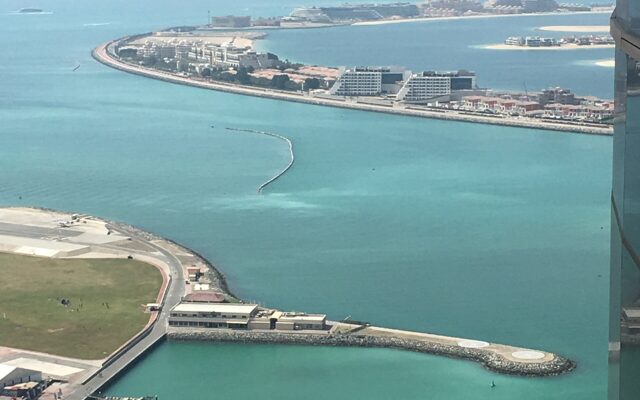
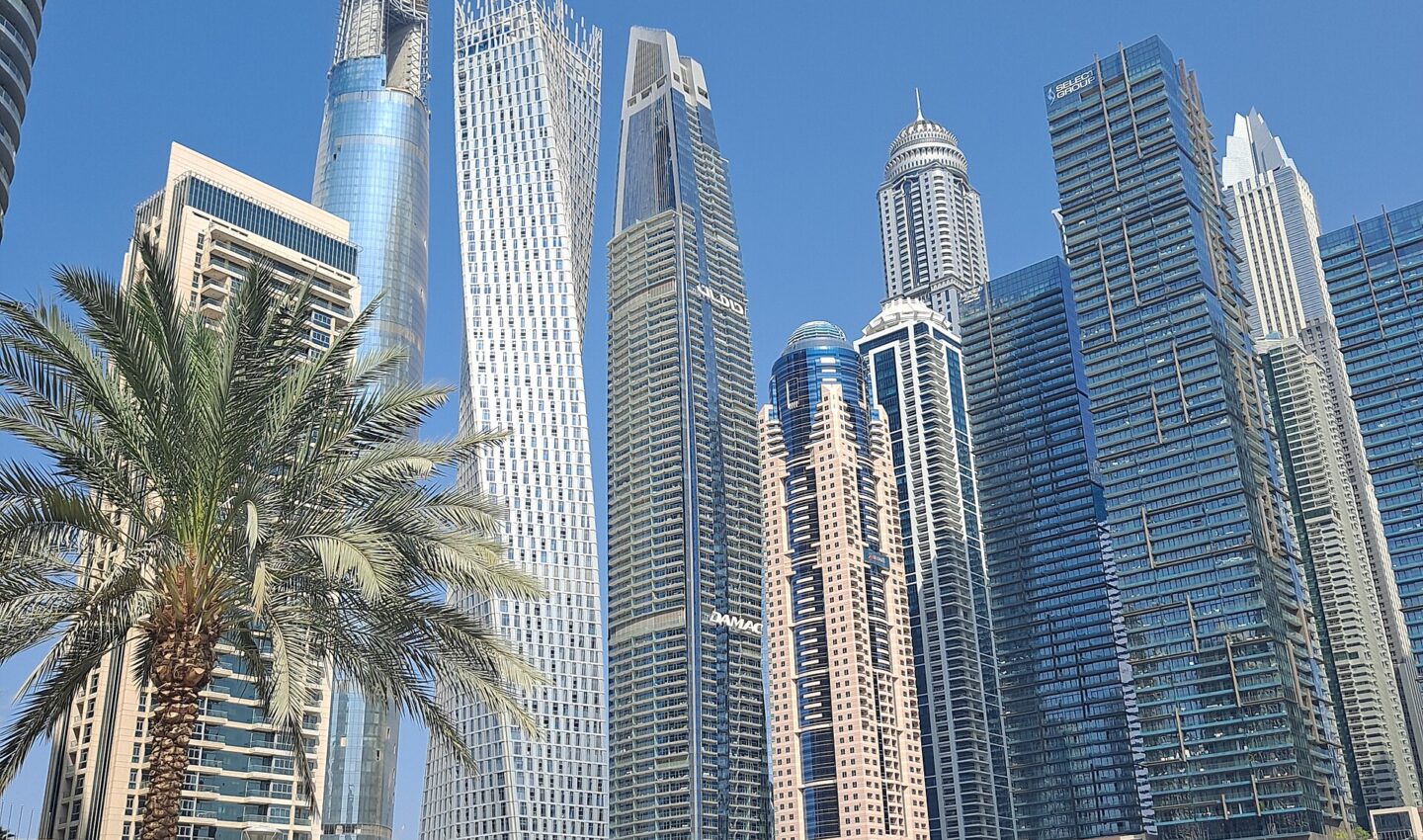
Malta is compact enough that most journeys are short, while in Dubai choosing where to live shapes your whole week. Areas such as Jumeirah Lake Towers, Dubai Marina, Jumeirah and Al Barsha put the sea, supermarkets and Metro stations within easy reach and are popular with Mediterranean expats who want to walk where they can. Villas in communities further inland typically offer more space for families, as a guide often from around AED 120,000 a year and upwards, while apartments closer to the coast typically start lower for a one-bedroom but rise quickly for sea views. Visit at different times of day, check the drive to work or school in real traffic, and remember that summer heat changes habits: early-morning swims, shaded evening walks and indoor weekends become the norm from June to September.
Food that tastes close to home
You will not find pastizzi on every corner, but Dubai’s food scene makes it easy to build a familiar table. Large supermarkets and specialist Mediterranean and European food shops stock olive oils, cheeses, cured meats, pasta, Maltese-style loaves when bakeries run special batches, and drinks imported from Malta when importers bring them in. Ask in expat groups which branch has the freshest stock, because ranges change.
- Cook at home with Mediterranean staples from major supermarkets and delis
- Try Italian, Greek, Lebanese and seafood restaurants for familiar flavours
- Order imported Maltese drinks and snacks through specialty food suppliers
- Explore farmers’ markets in the cooler months for bread, honey and produce
- Host a bring-a-dish evening and swap recipes with other Maltese residents
Restaurants around the Marina, Jumeirah and Downtown serve grilled fish, octopus, rabbit in some Italian kitchens, and slow Sunday lunches that will remind you of a family meal in Malta, even if the setting is a high-rise terrace rather than a harbour in Marsaxlokk.
Faith, community and keeping in touch
Malta’s strong Catholic tradition is well served in Dubai, where Catholic churches offer Mass in English and in several other languages, with times published on the parish websites. Check the official parish pages for current schedules, especially around Christmas and Easter when services are busy and parking fills early. For community, start with European and Mediterranean expat groups, school parent networks, sports clubs and volunteering. The Maltese community in the UAE is small compared with larger nationalities, so word of mouth matters: a colleague, a church noticeboard or a social media group is often how people meet. Video calls home are easy in the evenings given the time difference, typically just a couple of hours behind Dubai depending on daylight saving, which makes keeping up with family in Malta simpler than for expats from further east.
Weekends, the sea and getting around
If you miss swimming and boat days, plan them early. Public beaches in Jumeirah and Kite Beach, boat trips from Dubai Marina and day visits to quieter emirates give you that Mediterranean feeling, with stricter rules on swimwear away from the beach and on alcohol, which is only served in licensed venues. A car helps for family life, although the Metro and taxis work well if you live near a station. Driving is on the right, unlike Malta, so take the first weeks carefully and consider a few lessons even if you are an experienced driver.
Work, school and everyday routines
Working life in Dubai is international and fast-paced, with Sunday now a normal working day since the UAE moved its weekend, which takes a little getting used to if you are used to Malta’s rhythm. Many Maltese professionals work in hospitality, iGaming-related services, finance, construction and education, and find their English and Mediterranean work style travels well. For families, international schools follow British, IB and other curricula, with fees that vary widely and are typically paid per term, so ask employers early whether an education allowance is included. Healthcare is through employer-arranged insurance and a wide choice of clinics and hospitals, and registering your family with a nearby GP-style clinic in the first month makes everyday care much simpler.
FAQ
Is there a large Maltese community in Dubai?
No, it is relatively small. Most Maltese residents connect through workplaces, churches, European expat groups and online communities rather than a single neighbourhood.
Can I find Maltese food in Dubai?
Specific brands come and go through importers and specialty shops. Mediterranean ingredients are widely available, so home cooking is the most reliable way to recreate familiar dishes.
What will I miss most?
Many people mention short distances and spontaneous family drop-ins. Building a local routine and planning regular trips home helps the city feel like a second home.
Read more resident stories and practical settling-in guides on DXB Talk, and explore everyday life topics in our Lifestyle archive.