Dubai can feel very far from Indonesia at first: the desert light, the price of a coffee, the silence where street food noise should be. Yet Indonesians have lived and worked here for decades, and once you know where to look, the city offers warm community, familiar flavours and a rhythm of life that many residents grow to love.
Finding the Indonesian community
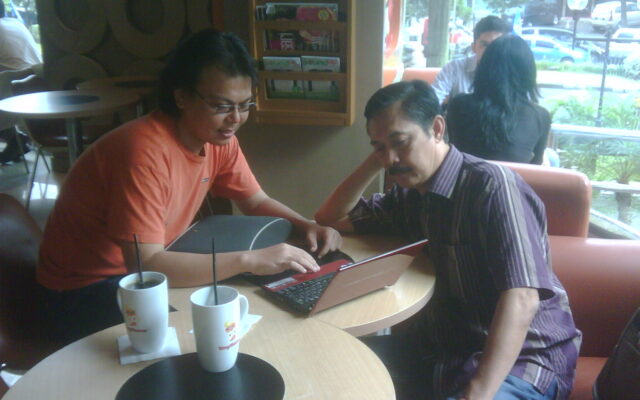
Indonesians in Dubai work across hospitality, airlines, retail, offices and private households, and community life often grows around workplaces, faith groups and informal gatherings rather than one single neighbourhood. Social media groups for Indonesians in the UAE share room vacancies, food sales and flight companions for children, although you should always verify offers carefully. Official Indonesian consular channels announce community and cultural events from time to time, so follow the missions’ official pages for reliable announcements. A shared meal remains the easiest introduction: accept invitations, bring a dish, and your circle will grow quickly.
- Join Indonesian community groups, but verify money and job offers carefully
- Follow official Indonesian mission pages for cultural and community events
- Look for gatherings around Independence Day and religious festivals
- Connect through mosques, churches and workplace networks
Food from home: rendang, sambal and Indomie
Nothing cures homesickness faster than the smell of rendang. Dubai has Indonesian restaurants and small eateries, particularly around Deira, Bur Dubai and Satwa, serving nasi padang style dishes, soto, satay and bakso, with prices at small cafeterias typically around AED 20 to AED 40 for a filling meal as a guide. Asian supermarkets and Filipino and Indonesian grocery shops stock sambal, kecap manis, tempeh when available, instant noodles and spices, though imported items cost more than at home. Many residents cook communally on days off, splitting a big pot and the cost, which keeps both budgets and spirits healthy.
Faith and family life in Dubai
For Muslim Indonesians, Dubai is an easy place to practise: mosques are everywhere, halal food is the default, and Ramadan shapes the city’s calendar with iftar gatherings that feel wonderfully familiar. Christian Indonesians will find churches of many denominations holding services, often on Fridays or weekends, and should check official church websites for current timings. Families will find schooling the biggest decision and cost: options range from affordable private schools following various curricula to premium international schools, so research waiting lists and total fees early, and keep weekends for parks, beaches and the many free community activities in winter.
Where to live on different budgets
Many Indonesians share accommodation or take rooms in areas such as Al Rigga and Baniyas in Deira, Satwa, Al Barsha and International City, where rents for shared housing keep costs manageable. If your employer provides housing, your experience will centre on that district, so explore its markets and transport links in your first week. As a guide, a bed space or shared room costs a fraction of a studio flat, but always check that your housing arrangement follows tenancy rules and that you have a written agreement. Proximity to a Metro station saves both money and energy in the summer heat.
Enjoying the city beyond work
Give yourself a Dubai life, not just a Dubai job. Winter weekends are glorious: public beaches, desert trips with friends, creek-side walks and free festivals across the city. Send money home regularly but also keep a small budget for yourself, learn a little Arabic and English confidence if you need it, and use the city’s libraries, sports groups and volunteering to meet people beyond your own circle. The expats who thrive here build two homes at once, and stay in touch with Indonesia through video calls, food and the community they find.
Health, money and the practical side of daily life
Everyday wellbeing matters as much as community. Make sure you understand your health insurance card, which clinics it covers near your home, and what to do in an emergency, because treatment in Dubai is excellent but expensive without cover. Keep Indonesian documents, your Emirates ID and insurance details photographed in your phone. For money, most Indonesians open a simple UAE salary account, send a set amount home each month and keep a small emergency fund in dirhams before thinking about anything fancier. And look after yourself in summer: hydrate, respect the midday heat, and use indoor gyms, malls and community halls to stay active when outdoor life pauses.
FAQ
Can I find Indonesian ingredients in Dubai? Yes. Asian and speciality grocers in Deira, Satwa and other districts stock sambal, kecap manis, spices and instant noodles, at import prices.
Is Dubai comfortable for Muslim Indonesians? Very. Halal food is standard, mosques are widespread and Ramadan is a major, welcoming season in the city’s life.
How do Indonesians meet people in Dubai? Through workplaces, faith communities, community social media groups and consular cultural events. Start with one group and let introductions spread.
Read more stories and guides for residents at DXB Talk and in our Lifestyle archive.